Audeze Maxwell 2 review: Planar power and 80-hour battery life in a serious over-ear package
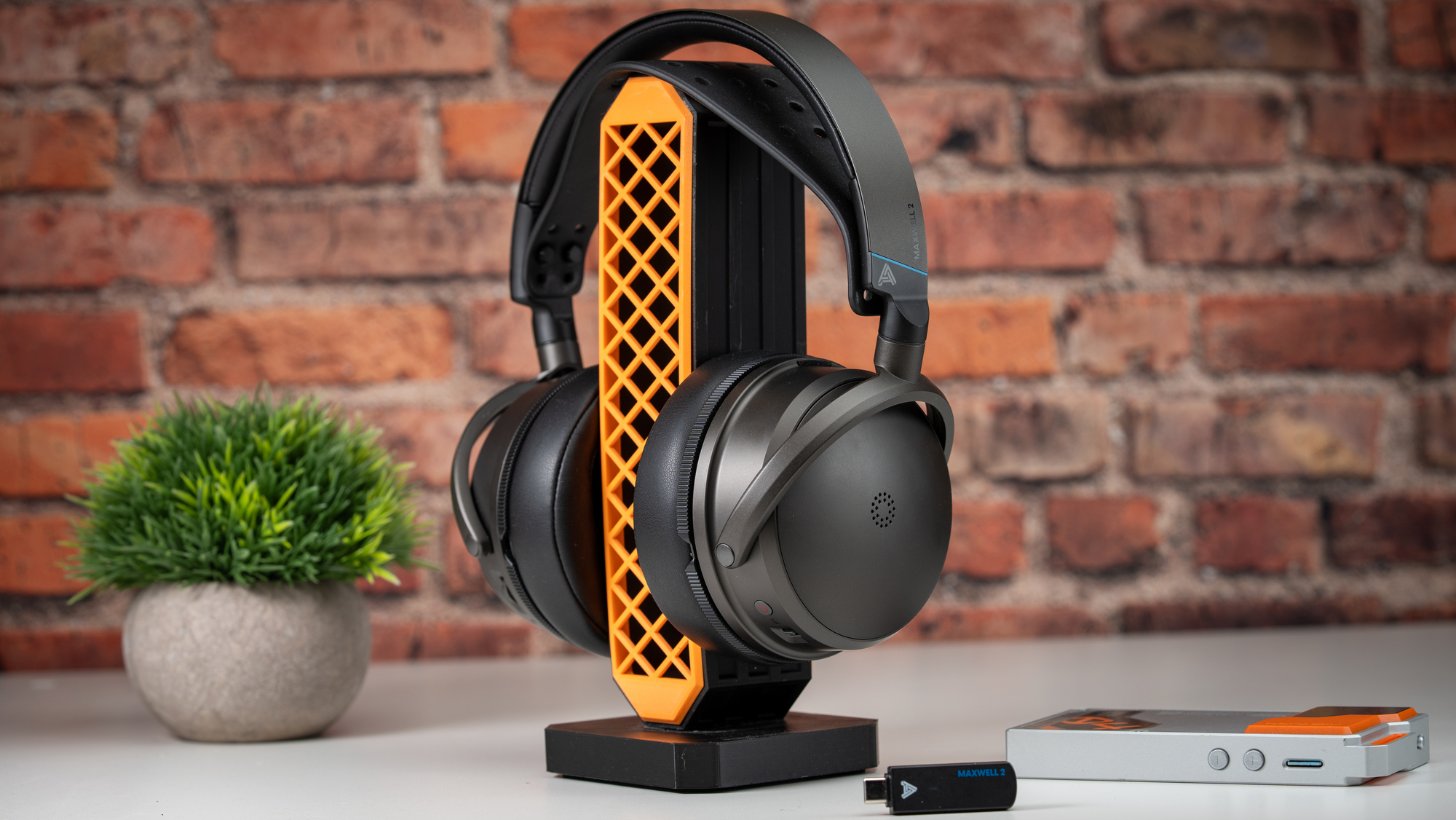
With more than 80 hours of battery life, the Audeze Maxwell 2 headphones can easily last through a full week of regular listening without needing a charge. Picture: Noel Campion.
I really enjoyed using the original Audeze Maxwell headphones and was delighted to get the opportunity to test the updated version, the Maxwell 2. These over-ear headphones are built for gaming and serious audio listening alike. After weeks of daily use at my desk and on the sofa, I have found them powerful, refined and refreshingly versatile.
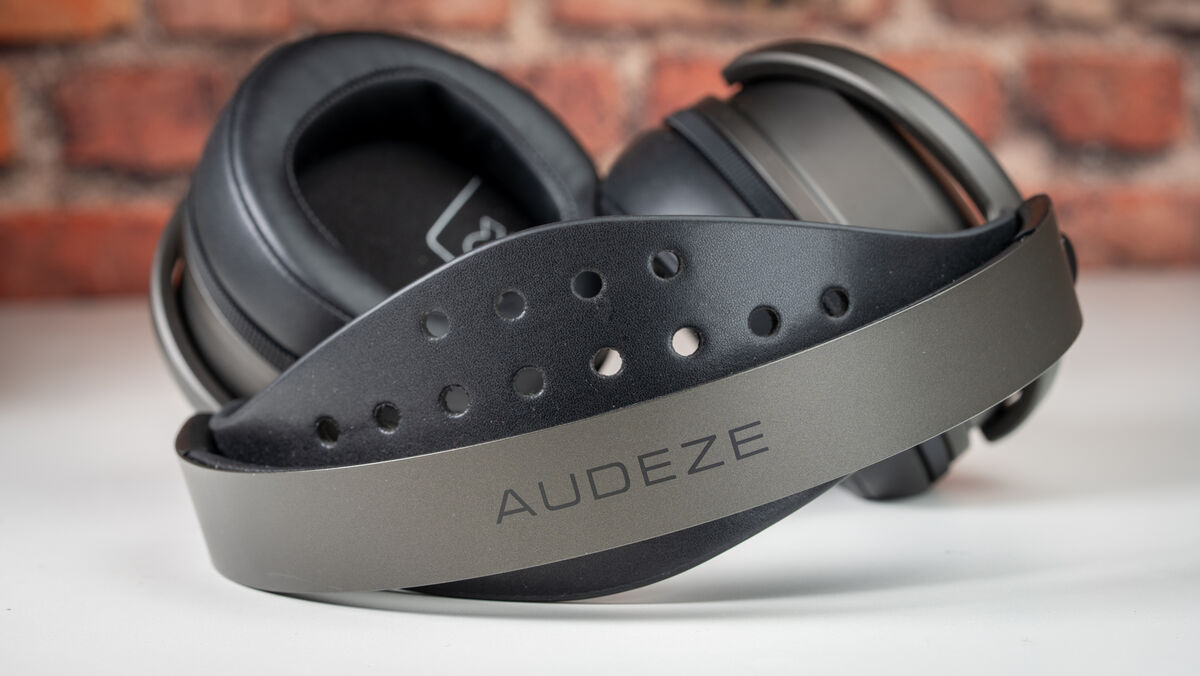
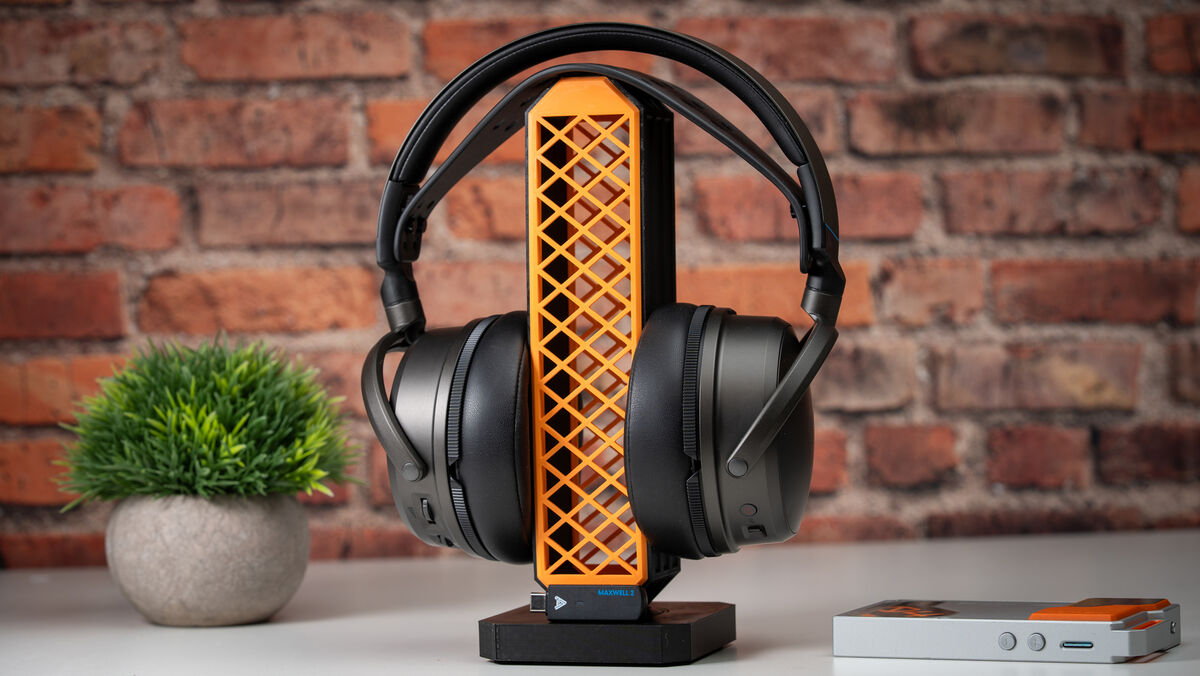
The Maxwell 2 is hefty, which is both a strength and a drawback. The weight makes it feel solid and premium, but you definitely notice it when you are wearing it for long periods. They are not built primarily for strolling around, but rather for use at home at a desk or in front of a console. The closed-back earcups are clean and low-key, without the flashy accents often associated with gaming headsets.
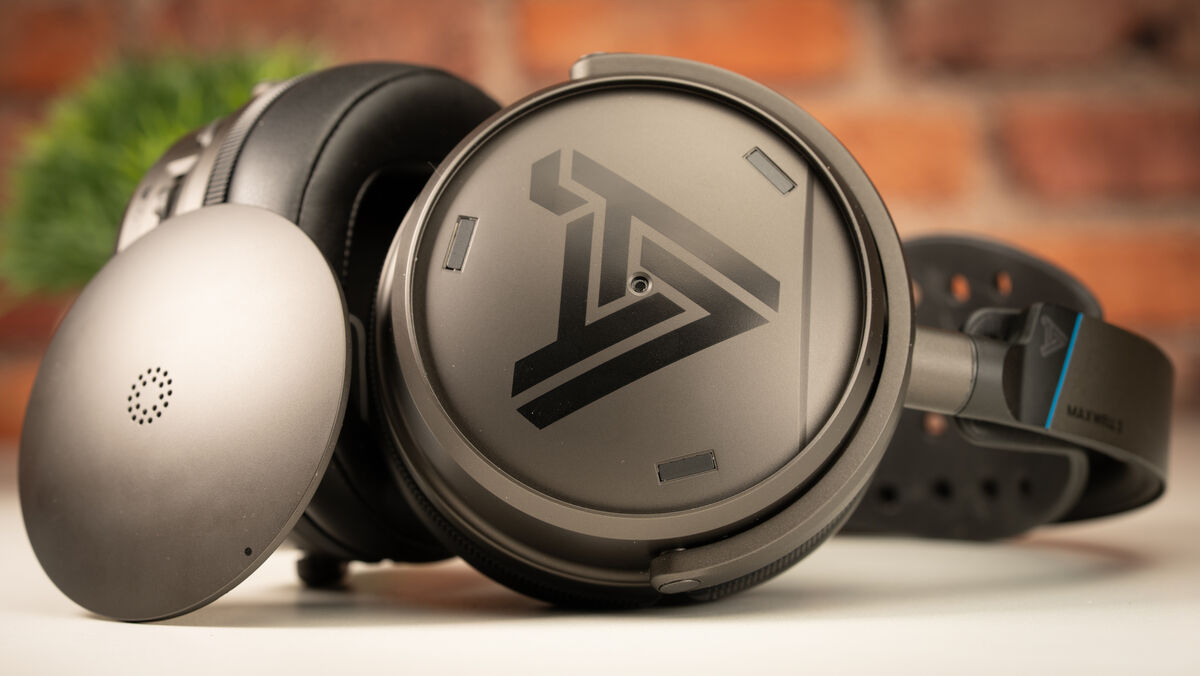
One of my favourite design features is the magnetic outer cup system. You can pop the plates off and customise them, and the magnets snap back into place with a satisfying click. The earpads also attach magnetically, which makes replacement far easier than the usual wrestling match.
The revised suspension head strap is wider and vented. You adjust it once using the side bolts and then forget about it. That sounds minor, but in daily use, I appreciate not having to fiddle with sliders every time I put them on. The downside is that if you share the headphones with someone who has a different head size, you will need to readjust them each time you switch.
Comfort is a mixed story, though mostly positive. The Maxwell 2 is not light. You feel their presence, particularly if you are used to featherweight travel headphones. However, I have found the wider head strap distributes pressure well, and the clamp force is moderate. After a three-hour film followed by an hour of music, I realised I had not once adjusted them.
The closed-back design offers decent passive noise isolation, but there’s no ANC. It’s enough to block out background chatter at home, though you still remain aware of louder interruptions.
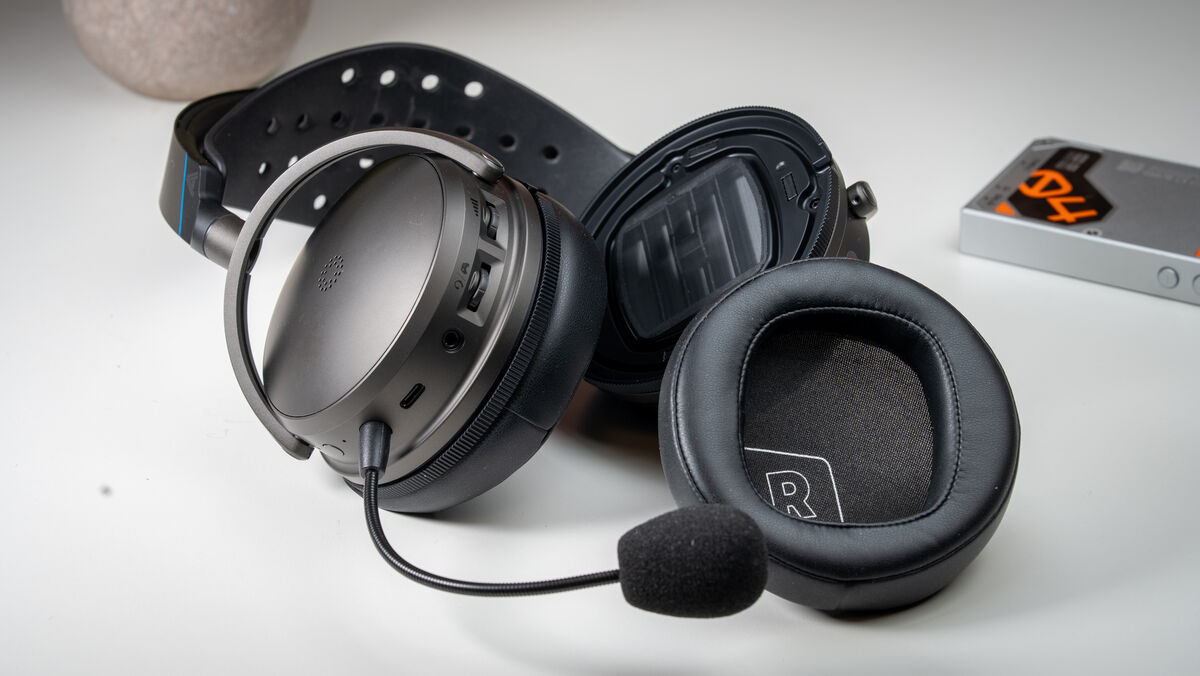
The ear cushions are roomy and soft, but like most padded closed headphones, they can get warm. I didn’t find them uncomfortable, just something to be aware of if you plan marathon gaming sessions.
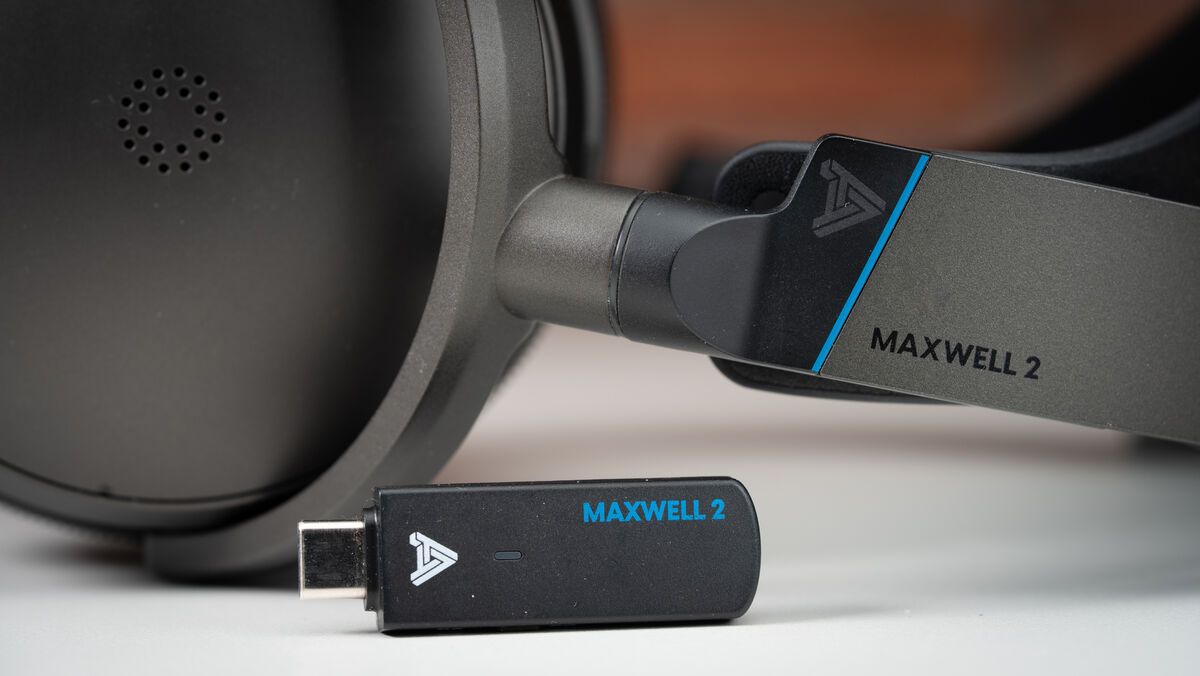
The Maxwell 2 offers incredible flexibility. In my home office, I had them paired with my computer via the included ultra-low-latency USB-C dongle while simultaneously connected to my phone over Bluetooth with LDAC support. When a call came in, the headset handled the switch smoothly.
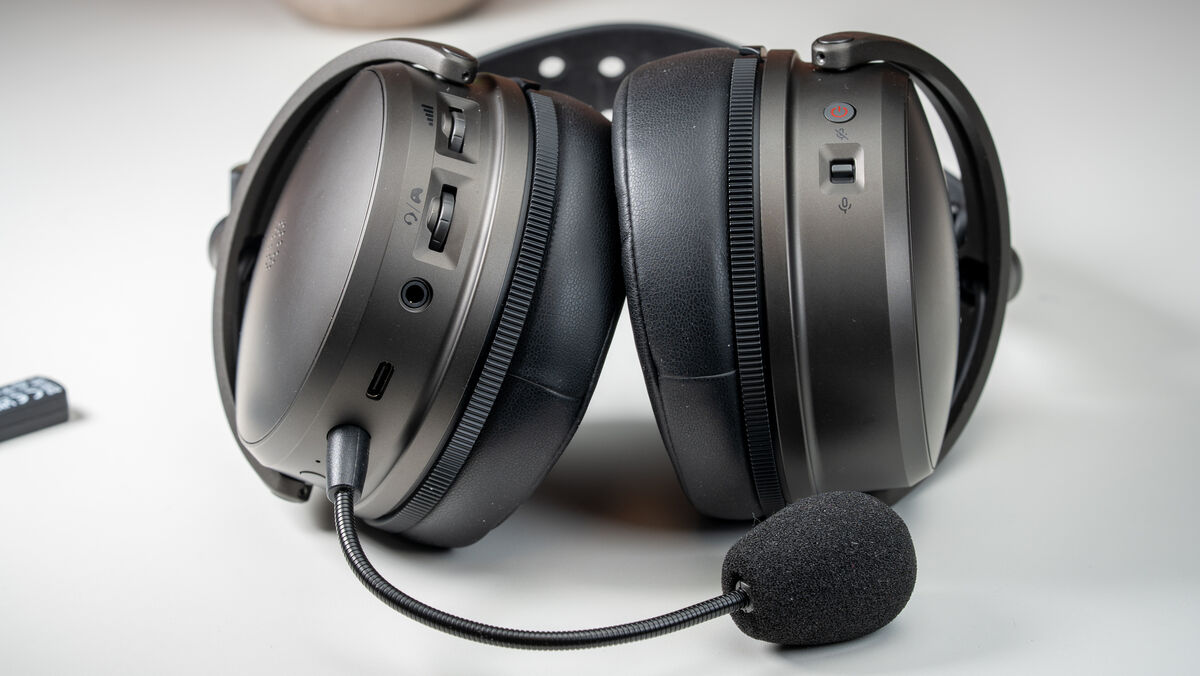
You can also connect using a 3.5 mm cable or run them as a USB audio device. In practice, I found myself constantly hopping between sources without thinking. That flexibility makes them feel less like a niche gaming headset and more like a general-purpose audio tool. Using the USB-C cable or dongle is ideal because it’s completely plug-and-play. Just plug it in and start using it, with no additional software required. Both the dongle and cable work across a wide range of devices, so there’s no need to go through the extra steps of setting up Bluetooth.
Battery life is quoted at over 80 hours, and in real-world use, it has felt almost endless. When I did finally plug them in, fast charging over USB-C meant I was quickly back to full power.
The new companion app is clean and responsive, and I enjoyed experimenting with EQ presets and creating my own profiles.
On the headset itself, the volume rocker doubles as a control toggle. A quick click lets you switch EQ modes with voice prompts guiding you.
The detachable hypercardioid boom microphone includes upgraded AI noise reduction. In my tests, colleagues reported that my voice was clear and easy to understand, even with background noise in the room. It’s not studio quality, but for calls and in-game chat, it performs well.
At the heart of the Maxwell 2 are 90 mm planar magnetic drivers using Audeze’s SLAM technology, along with Fluxor magnets and Fazor waveguides. Frequency response ranges from 10 Hz to 50 kHz, covering everything from deep sub-bass to shimmering highs.
They support Bluetooth 5.3 with LDAC and LE Audio, along with the ultra-low-latency USB-C wireless dongle. The internal lithium polymer battery delivers over 80 hours of wireless use at moderate listening levels.
The closed-back design, combined with active processing, handles amplification internally. That means you do not need an external DAC or amp to get the best from them.
Sound is where the Maxwell 2 justify their price. On first listen, I put on a familiar rock track and found myself picking out subtle guitar textures I had not focused on before.
The midrange is articulate and present. Vocals sit confidently in the mix without being pushed too far forward. I am particularly sensitive to harsh treble, and I am pleased to report that the high frequencies here feel airy without crossing into shrill territory.
Bass is controlled but satisfying. There is punch when a kick drum lands, and real weight in cinematic scores, yet it never smothers the mids.
During gaming, footsteps and directional cues were easy to place, giving a convincing sense of space despite the closed-back design.
Engaging the bass boost mode adds extra rumble without turning the presentation muddy. I found this especially enjoyable for action films. Explosions had a greater physical impact, yet the dialogue remained clear.
What impressed me most was the balance between fun and precision. These headphones can be analytical when needed, but they are also engaging. There is speed and agility here, which makes busy tracks feel controlled rather than chaotic.
The Audeze Maxwell 2 combines serious planar sound, huge battery life and flexible connectivity in a solid over-ear design. They are heavy and premium priced, but for long sessions and immersive audio, they deliver real substance.
Price: €468 (Xbox/PC) or €448 (PlayStation) from www.gear4music.ie


CONNECT WITH US TODAY



Be the first to know the latest news and updates