Samsung Galaxy S26 Ultra review: World-first privacy display tech brings a smart new layer of everyday security
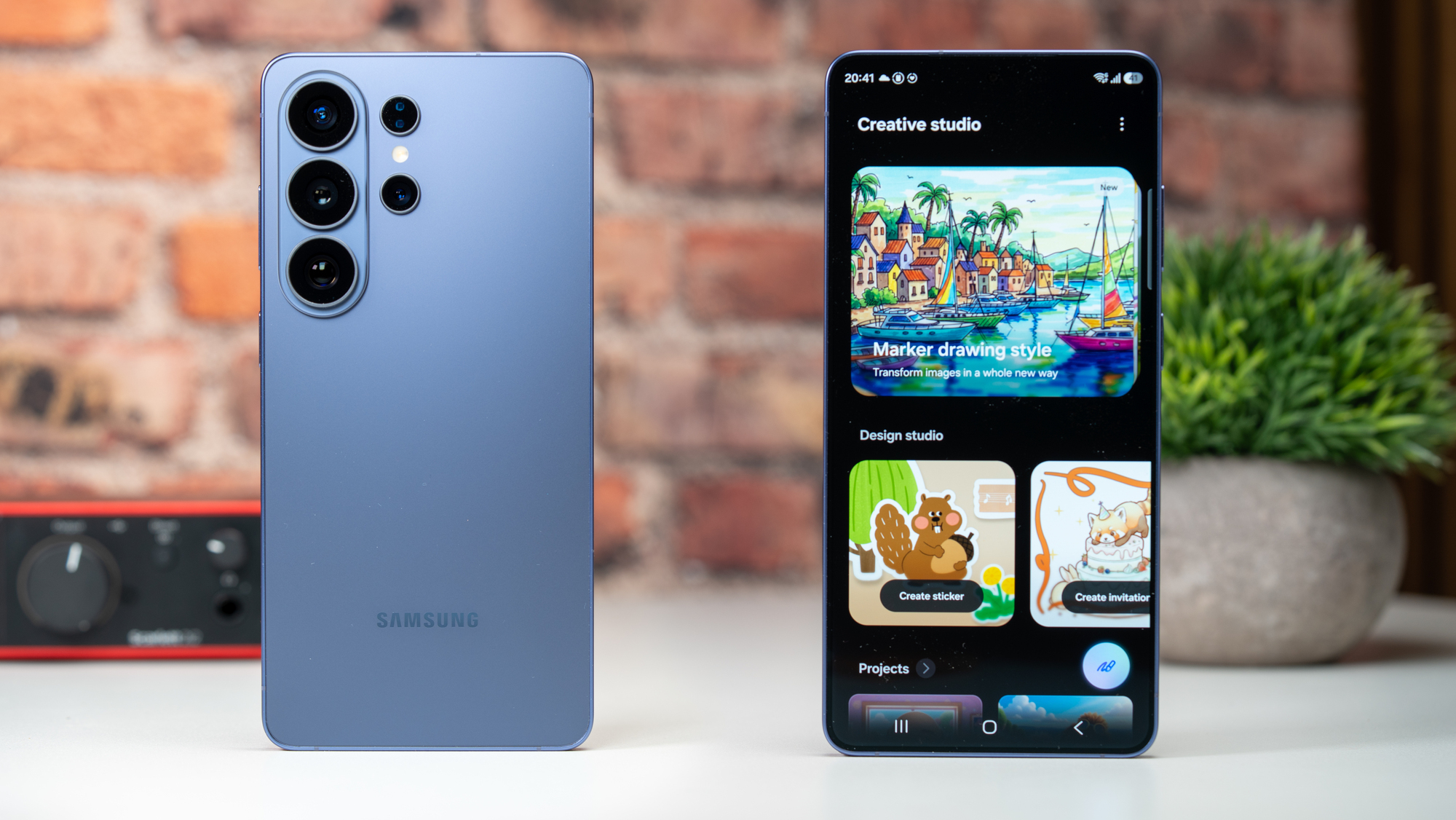
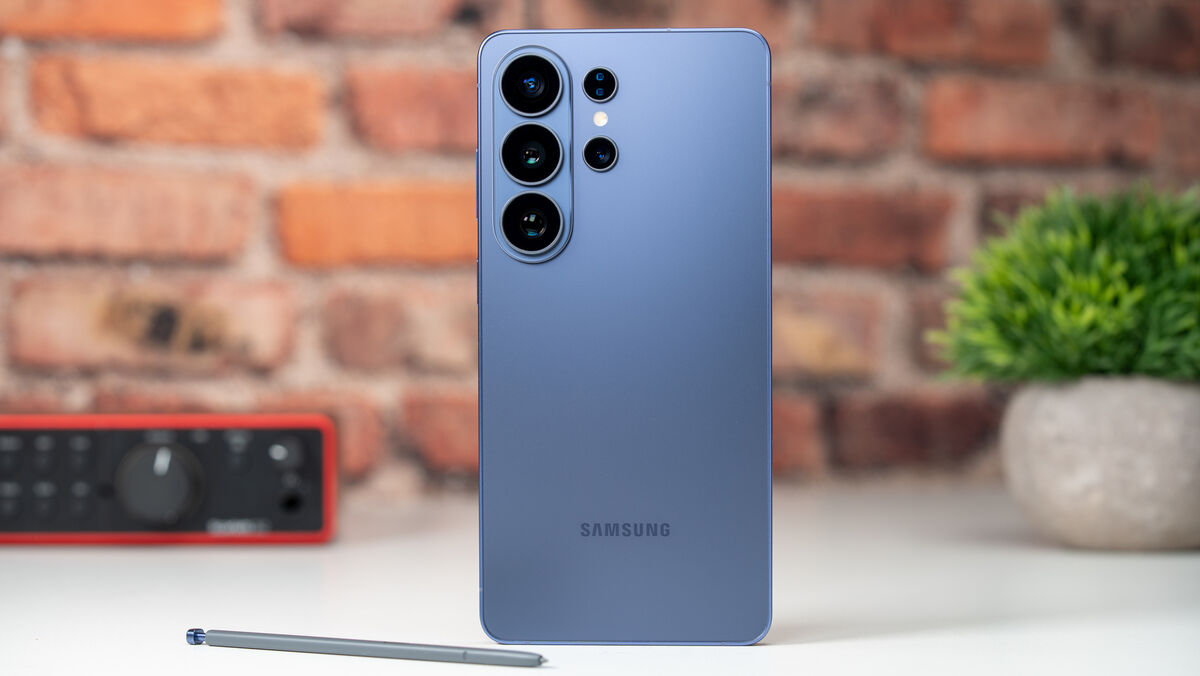
Samsung Galaxy S26 Ultra features the world's first built-in Privacy Display on a smartphone. Picture: Noel Campion.
Samsung introduces a new privacy display mode and an upgraded Super Steady Video system on the S26 Ultra. While the innovation is impressive from a technical standpoint, I’m not convinced most users will make much use of it. One helps keep prying eyes at bay, while the other delivers gimbal-like footage straight from your device.
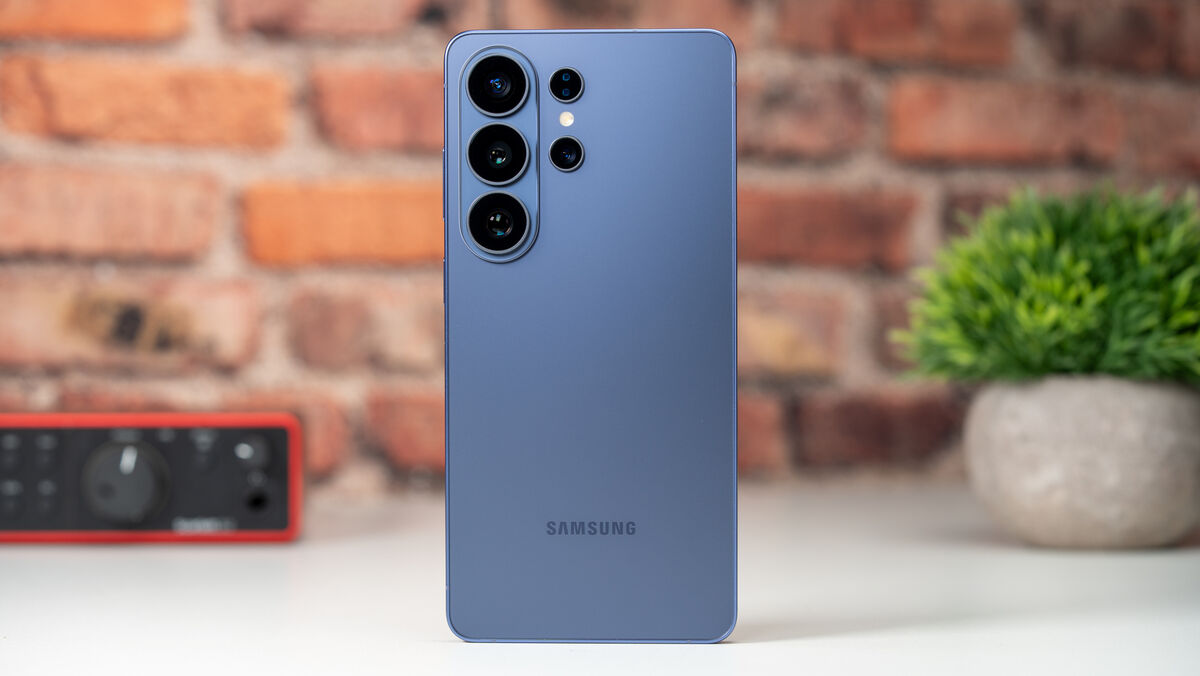
The S26 Ultra looks almost identical to last year’s model, which will either reassure those upgrading from an older Samsung flagship or leave you slightly underwhelmed if you’re coming from last year’s device. That said, the small changes do matter once you actually live with them.
The edges are more rounded this time, and that makes a real difference. The phone doesn’t dig into your palm in the same way, especially during longer use. It’s also slightly thinner and lighter, which helps balance things out given its size.
Samsung has cleaned up the camera design, too. The chunky rings are gone, replaced by a more subtle camera island. It looks neater and less busy, even if the bump itself is still quite pronounced. The wobble on a flat surface hasn’t gone away, and if anything, it’s a touch more noticeable.
One change that feels like a step back is the move from titanium to aluminium. In the hand, aluminium just doesn’t feel as premium. It’s not bad by any means, but it lacks the slightly more expensive, brushed feel of the previous model. That said, it’s the same move Apple made with the iPhone 16 Pro to the iPhone 17 Pro, switching from titanium to aluminium to improve heat dissipation, thermals, and sustained performance.
The S Pen is also a bit narrower now. It still works as expected, but it’s slightly less comfortable to hold for longer notes or sketches. While you can insert it either way, it won’t sit flush unless it’s positioned correctly, as it conforms to the phone's corner.
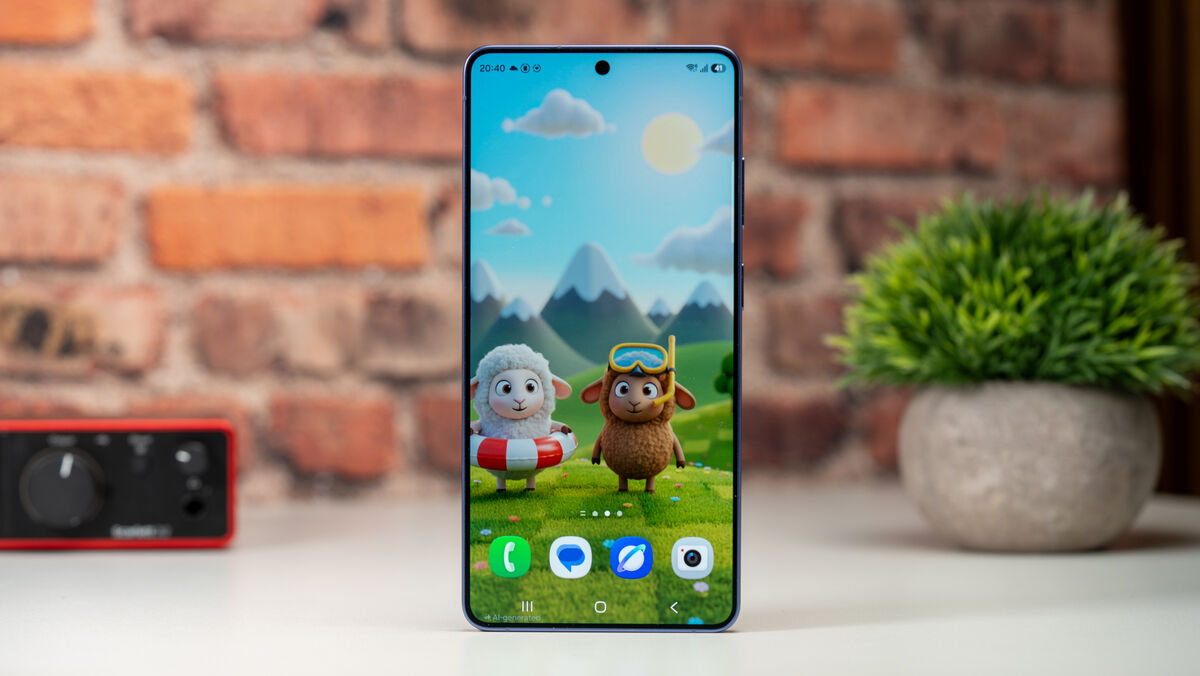
The 6.9-inch LPTO AMOLED panel is large, sharp, and smooth, with a variable refresh rate up to 120Hz. Brightness is decent too, but not class-leading, peaking at 2,600 nits. Colours are punchy without being over-the-top. It performs well both indoors and outdoors. My only issues are a slight blue tint and some brightness loss at off-angles, which I didn’t expect from a flagship Samsung display.
The headline addition is the new privacy display feature. In simple terms, it limits how much people can see from the sides by adjusting how the pixels behave. You can apply it system-wide or just to specific apps. In practice, it’s a mixed bag. When it’s on, it’s not as clean or natural as the standard display, and it can feel a bit distracting at first. It also reduces brightness and doesn’t completely block off-angle viewing. Someone sitting close beside or behind you can still catch a glimpse, which takes away from the idea a bit.
I can see how it could be useful for banking apps or anything sensitive in public spaces. But it’s not something I’d want enabled all the time, and it’s certainly not a reason in itself to upgrade. Personally, I’d prefer the display from the S25 Ultra and could do without the privacy mode. On the very rare occasions I need to use a banking app in public, I will always find a private place to use.
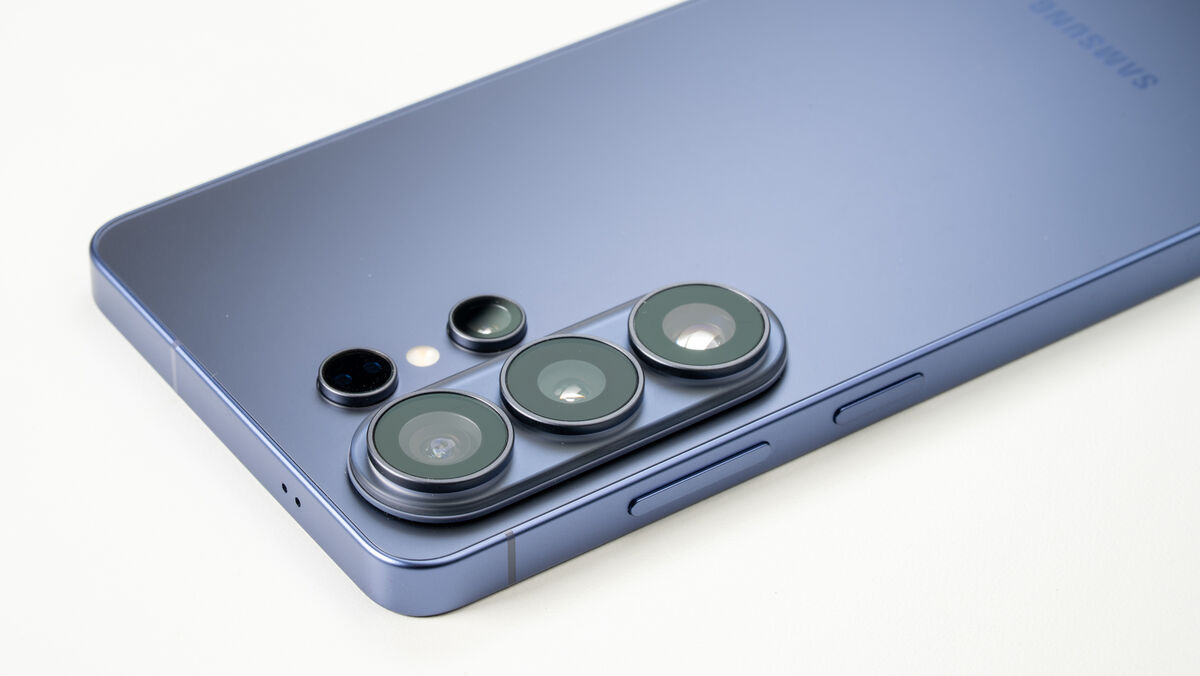
The camera hardware is very familiar, but it’s still one of the most versatile setups you’ll find on a phone in 2026. You’re getting a 200MP main sensor (f/1.4, 23mm), a 50MP ultra-wide (f/1.9, 120° field of view), a 10MP 3x telephoto (f/2.4), and a 50MP 5x periscope zoom (f/2.9). Around the front, there’s a 12MP selfie camera.The main camera is where the improvements from last year’s model are easiest to spot. Focus feels more consistent, images come out a bit cleaner, and there’s better control over bright highlights. Photos have slightly more depth, too, so they don’t look as flat.The ultra-wide and both telephoto lenses are steady performers, but they don’t push things forward much. Detail is good, zoom is still very usable, and switching between lenses feels seamless. That said, there’s a bit more sharpening going on, which can sometimes make shots look a touch processed.Samsung’s style is still very much intact. Shadows are lifted, colours pop, and images are ready to share straight away. The trade-off is that contrast can feel slightly reduced, and you don’t always get that more natural, “camera-like” finish without tweaking settings.Video stabilisation is slightly improved, and low-light footage holds detail well with less noise than many rivals. While it’s not a massive leap, it’s still one of the most dependable camera systems for both photos and video.
The upgraded Super Steady Video feels like magic. There’s a new Horizontal Lock option that basically works like a built-in digital gimbal. Even if you rotate the phone all the way around, the video stays level.
It uses the phone’s sensors and a wider camera view to determine where “level” is and correct things in real time. I noticed it most when moving fast, like running or just walking quickly. The footage stays smooth and doesn’t get that shaky, tilted look.
It’s available across the entire S26 lineup, but should work best on the Ultra. The higher-resolution camera and improved processing give it more room to crop and stabilise without ruining the quality.
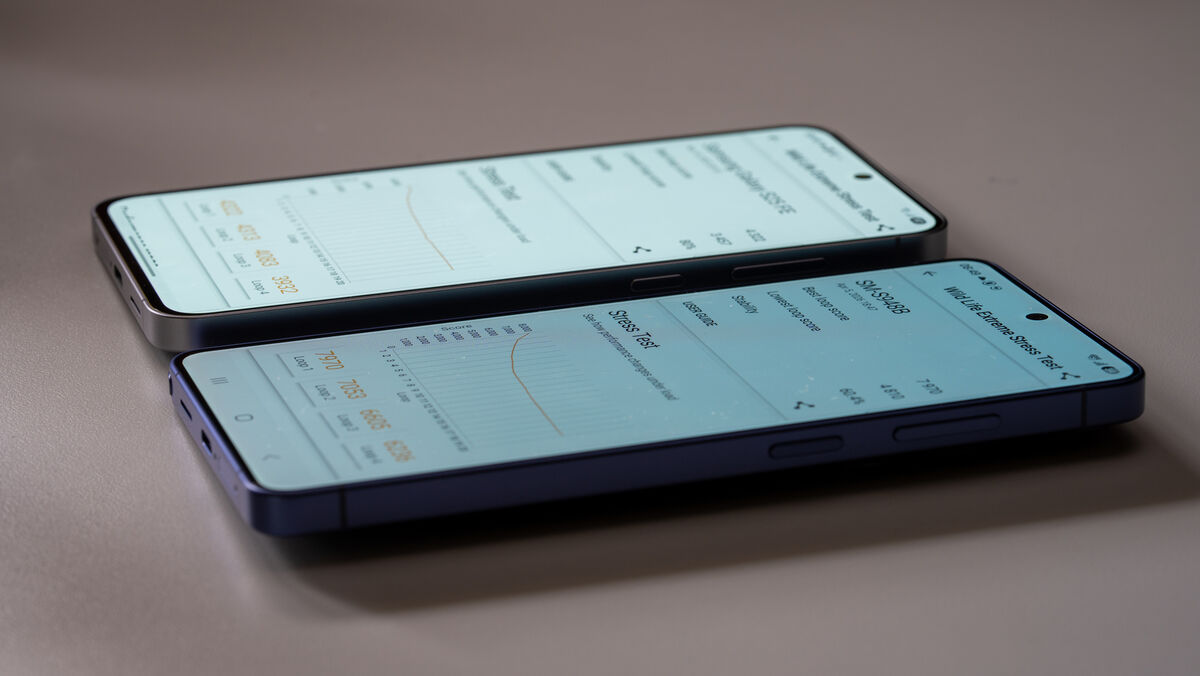
Under the hood, the S26 Ultra is powered by the Snapdragon 8 Elite Gen 5 for Galaxy, paired with either 12GB or 16GB of RAM. Storage options range from 256GB up to a full 1TB, so there’s plenty of flexibility depending on how you use your phone. My testing was performed on a model with 12GB of RAM and 256GB of storage.Performance is exactly what you’d expect from a flagship in 2026. Everything feels fast and fluid, whether you’re switching between apps, editing photos, or juggling multiple tasks at once. In Geekbench 6 single-core tests, performance improved by 17% compared to the S25 Ultra. The extra power is there, but you won't notice it unless you’re really pushing the device.AI-related tasks, like image editing or content generation, run a bit quicker, and heavier workloads feel slightly more stable. Samsung has also improved thermal management, thanks to a larger vapour chamber, so the phone doesn’t heat up as quickly under pressure. The S26 Ultra handles demanding games without issue, maintaining stable frame rates. You won’t see dramatic gains in raw performance, but the experience feels steady and reliable.
If you’re upgrading purely for gaming, there isn’t a huge jump here. But if you’re coming from an older device, you’ll still appreciate how smooth and consistent everything feels.
The 5,000mAh battery easily gets through a full day, but with rivals now offering up to 7,500mAh, it’s hard to see why Samsung hasn’t followed suit. Heavy users might still find themselves topping up before the day ends.
The bigger change is the charging speed. Wired charging is noticeably faster now (60W), and that makes a real difference in day-to-day life. Even a short charge before heading out gives you a decent boost. It doesn’t completely transform the experience, but it’s one of the more practical upgrades this year. You also get 25W Qi2.2 wireless charging along with 4.5W reverse wireless charging.
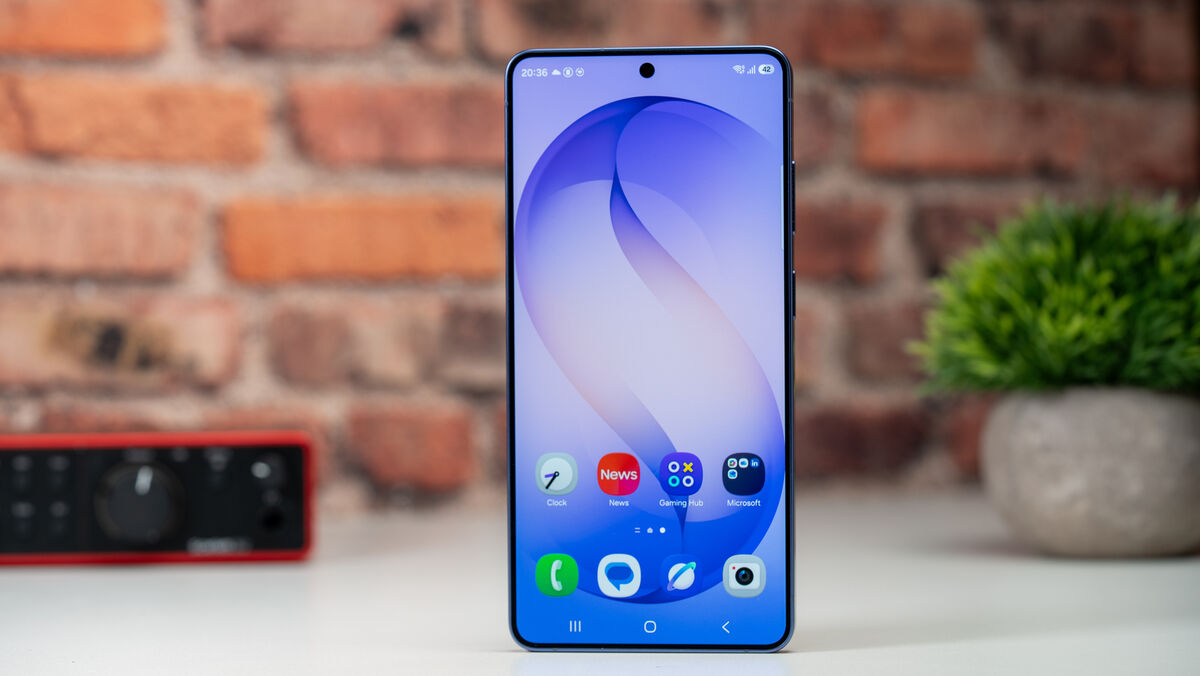
The S26 Ultra runs Samsung’s latest One UI 8.5, and it remains one of the more polished Android experiences available. It’s stable, feature-rich, and everything feels well integrated.
Of all the brands, Samsung packs in the most AI features, but many feel more like add-ons than essentials. Some are useful in specific situations, but they’re not features I've relied on daily.
The Galaxy S26 Ultra refines rather than reinvents. It’s comfortable, reliable, and packed with small improvements. A great choice for older upgrades, though current users may struggle to justify the switch.
€1,499 Samsung
CONNECT WITH US TODAY



Be the first to know the latest news and updates