Hybrid work may have to face up to commercial reality for year ahead
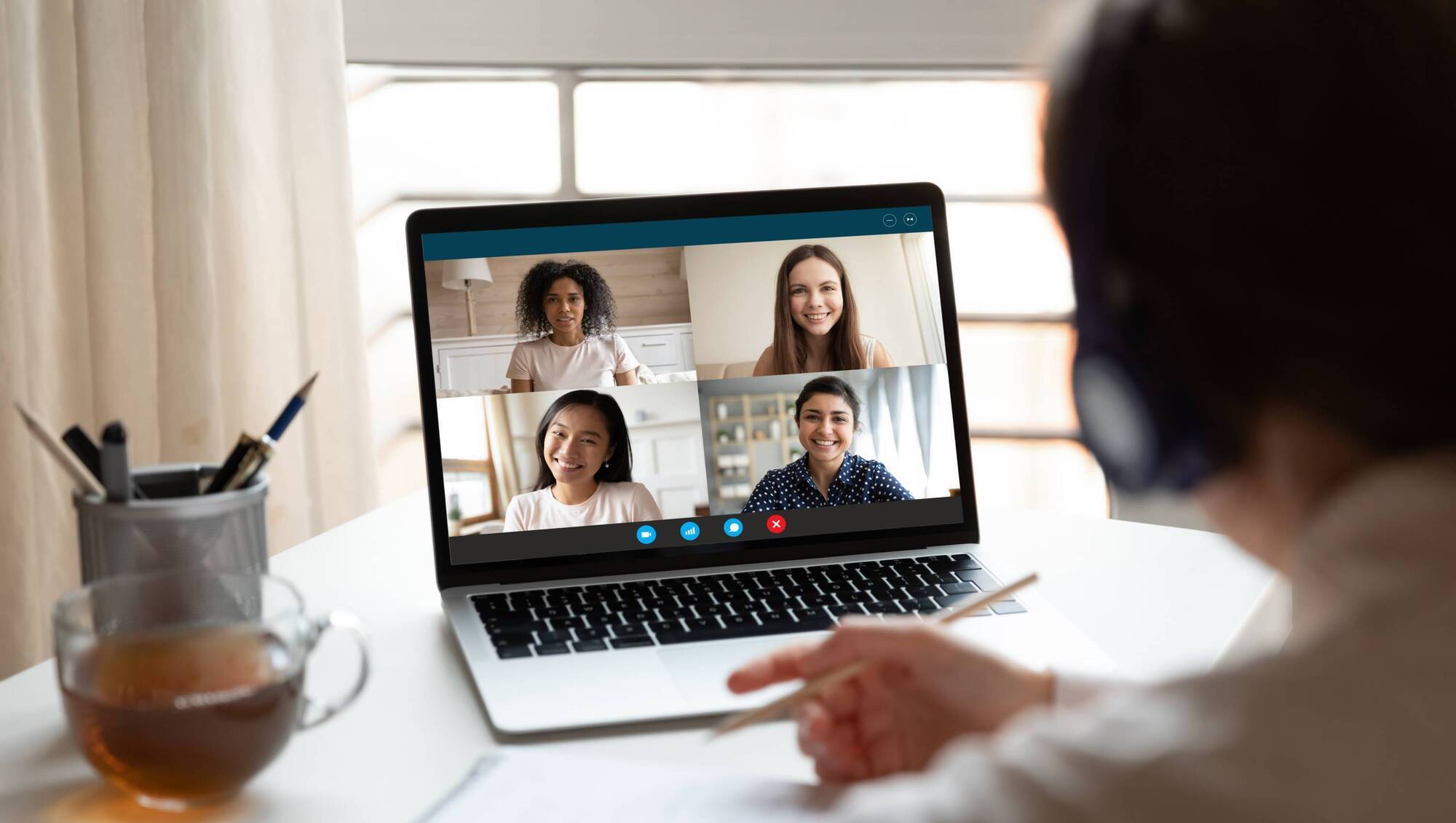
Work-life balance: Some of Ireland's leading companies have proposed that staff come to the office three days a week instead of two as they had been doing previously.
Ireland has been something of a trailblazer when it comes to supporting employees – many of whom are female – who wish to work from home.
According to a recent report by the CIPD, the HR rep body, covering Ireland and the UK, 91% of employers now offer some form of flexible working arrangement, including 50% who permit staff to work from home at least part of the time.
Both here and in Britain, legislation has been passed to allow people to request that their bosses allow them to engage in hybrid arrangements, combining work from home and the office.
In Ireland, the Work Life Balance Act 2023 took effect in March 2024. The Workplace Relations Commission has already issued decisions under the Act, rulings which have appeared to favor the employer resisting a request for remote working.
Once an employer follows the correct procedure, they can generally resist a request. Many are seeking a strengthening in the law as they would see it.
Meanwhile, the Department of Enterprise & Employment has just launched a public consultation to find out how the reforms are working in practice.
In 2020, when social distancing was instituted with the spread of Covid-19, firms and other bodies acted with great speed to ensure that their employees could work remotely. We had entered the era of the Zoom meeting almost overnight.
This was an idea whose time had arrived. Many workers with young families feel stressed, often based in housing estates far away from the large population centers where their employers are based. Increasingly, many find themselves in the ‘sandwich generation’, caught between elderly parents and younger offspring in need of support.
Covid restrictions only exacerbated these issues.
The public consultation comes at an interesting time. Over the years, US multinationals operating in Ireland have tended to be very generous providers of benefits and ahead of the curve when it comes to workplace practices. The mood in many boardrooms has altered, however.
The re-election of Donal Trump has combined with a spreading loss of support for the remote/ hybrid work model among top executives in technology and finance, in particular.
Some have also pointed to evidence of a decline in the quality of customer service and support as organisations increasingly replace humans with technology.
Others have begun to highlight flaws in the WFH model from the perspective of both management and employee. During the pandemic, younger staff, in particular, missed out on the informal social networks and mentoring that come with working in an office environment.
On top of loneliness, you have health and safety issues around work in sometimes cramped domestic conditions. Those Zoom pictures of executives interrupted by charming toddlers and barking dogs may have disguised a less agreeable reality, including the aggravated situation of a person with a controlling or bullying spouse.
The pandemic justified a heavy investment in equipment in homes. Its gradual disappearance has led to greater focus on matters such as information security and work team rebuilding.
The spread of sophisticated hacking techniques has alarmed many in management.
This year, AI and its impact on the workplace have been the key development in business. Many company leaders are keen that staff are on hand as AI-led restructurings get underway. Graduate hiring is down significantly on previous years in fields such as accounting and the law.
The pendulum appears to have swung in favor of those at the top of the company tree.
According to KPMG Law, the number of firms across the globe requiring staff to return to the office has grown. The traditional office model is making a comeback in places like New York and London. This has come as a source of relief to those in the property business.
In Manhattan, office vacancy levels exceed 20%. Some managers fear the loss of authority over staff that comes with home working, though, one suspects, AI could present an altogether greater threat to layers of managers.
Some CEOs now openly condemn ‘wokeism’ in the workplace. Palantir is a major player in the AI world. Its boss, Alex Karp, is a key proponent of this point of view. Some are cosying up to the Trump administration and have cancelled employee-friendly initiatives.
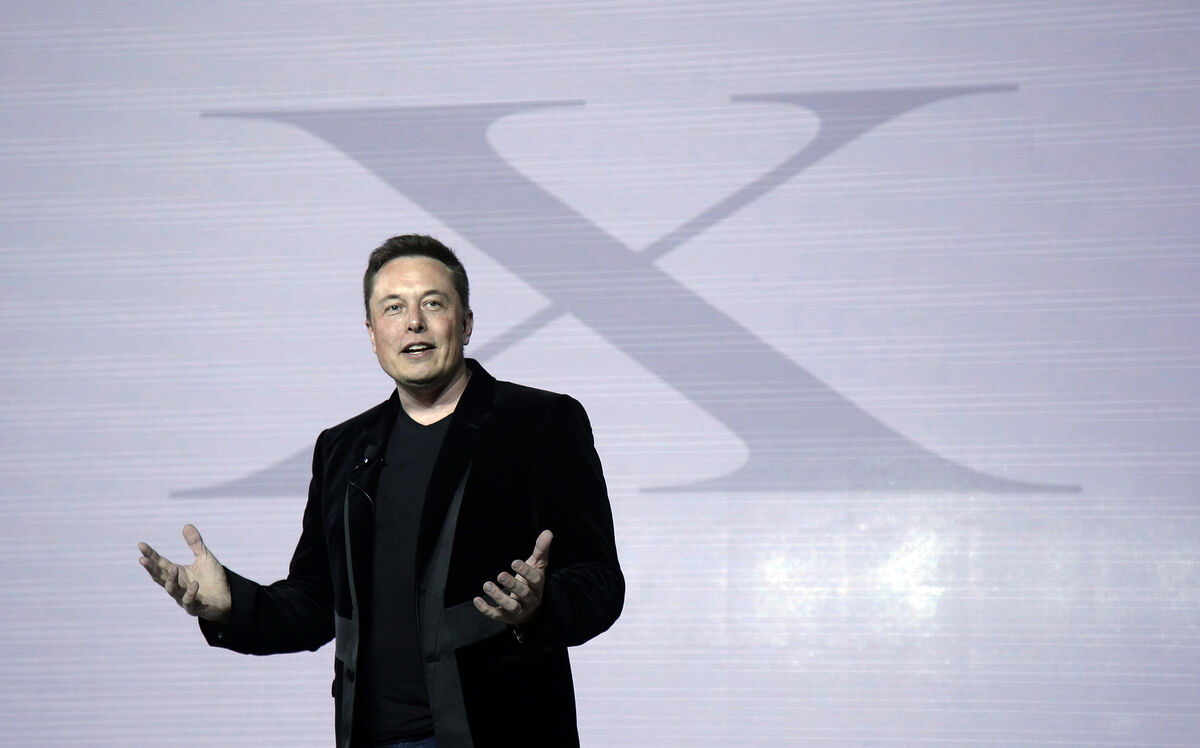
Leaders such as Facebook Meta founder Mark Zuckerberg and Wall Street leader Jamie Dimon have reversed tack and favour sterner management. Elon Musk has pushed all staff at X (Twitter) to return to the office, including Irish employees.
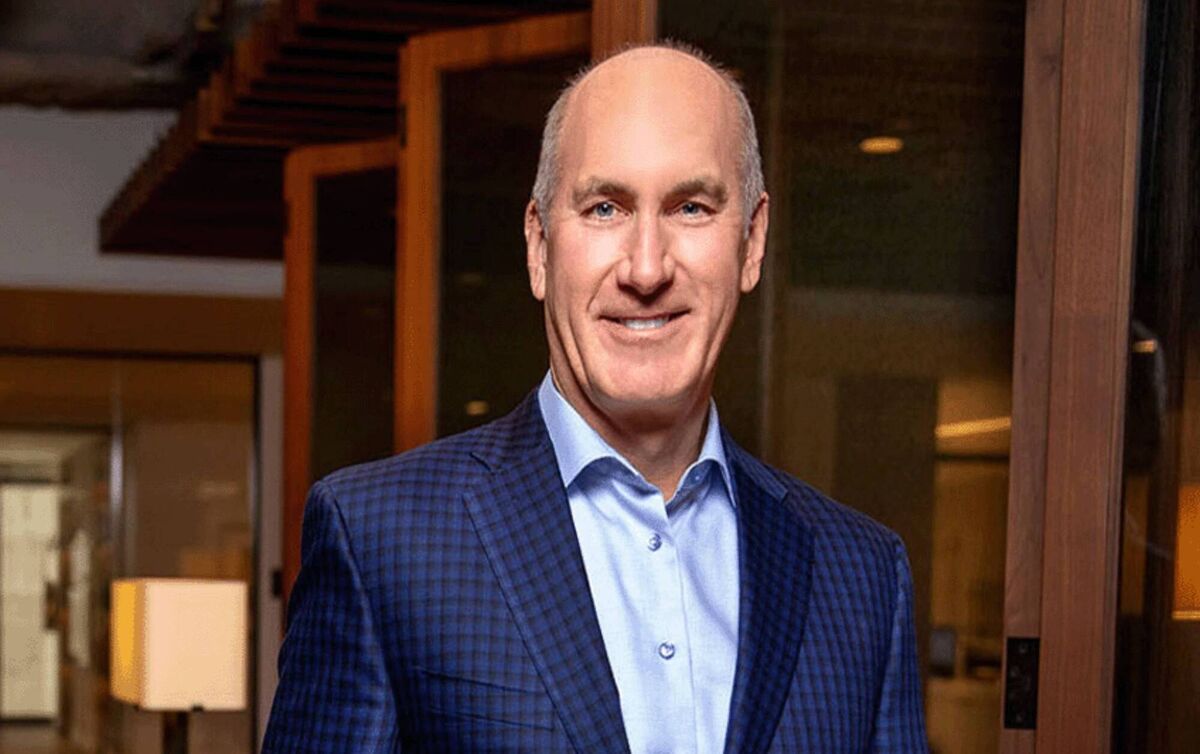
The head of AT&T, John Stankey, has talked of a return to ‘market culture’ at work.
Closer to home, AIB has proposed that staff come to the office three days a week instead of two as previously. The response from staff has been strong. The Bank rowed back by allowing employees to work one of those days from a satellite office closer to their home.
The picture is more complex than it appears at first sight. A LinkedIn report, last year, revealed that almost 40% of Irish professional and technology advertisers were offering posts with a hybrid work option, including almost 10% allowing remote work. The latter figure was down from 17.5pc in 2023, but this was closer to the pandemic peak.
The EU equivalent figures were 33% and 5.7% More recent data for Q2 2025 suggests that around 43% of job postings contained a hybrid element while 19% contained a fully remote option.
A Dublin Chambers Business Outlook report has indicated that more than one quarter of businesses are offering full flexibility to staff. CIPD findings suggest that 90% of organisations report that hybrid work arrangements boost staff recruitment and retention.
The Irish Examiner recently reported a survey of two hundred IT leaders by IT providers, Datapac. Key ongoing issues include work life balance – not helped by long commutes and early starts- at 39%, training and development at 36%, cybersecurity at 34% and communications/ collaboration at 31% Bank staff have expressed concern about the inability of managers to make efficient and innovative use of the time of employees while they are in the office.
Focus has been on the efficiency of workers while at home. Perhaps it is time to examine the practices of some middle managers, in particular. This should involve a complete re-examination of corporate culture ahead of the AI transformation which could have distinctly dystopian effects if not properly harnessed.
Read More
A recent IBEC report reveals that almost 70% of employees state that the availability of flexible or hybrid working is key to their wellbeing while 35% would leave a higher paid job in order to secure it.
Such sentiments also appear frequently in records of hearings before the Workplace Relations Commission.
There are real challenges when it comes to the implementation of remote and hybrid working arrangements. Most employers believe that staff are not compliant when it comes to remote working policies. Trust remains an issue.
The Work Life Balance Act has sparked an increase of one quarter in demand for such arrangements but a gap remains between the social partners in this regard.
Many have been disappointed in their requests for revised work arrangements Amid the drama, there is a sense of continuity.
According to Graham Harron of Grow Remote, “the story, this year ( 2025), is one not of a dramatic swing back to the office, but rather of stabilization”. He added that 63% of employers are not planning to increase time worked ‘on site’. The percentage of staff working remotely remains largely stable with around one third working at least three days a week in the office. Interestingly, one in seven employers would support fully remote work for central roles.
The message is perhaps that workforces are, if anything, diverging from each other more in their approaches to remote/ hybrid and other forms of flexible work.
Governments come and go. Job market conditions change. Technologies evolve. The pendulum swings. Life goes on.


CONNECT WITH US TODAY



Be the first to know the latest news and updates