Foul play as counterfeiting costs Irish fashion and sports wear industry €359m
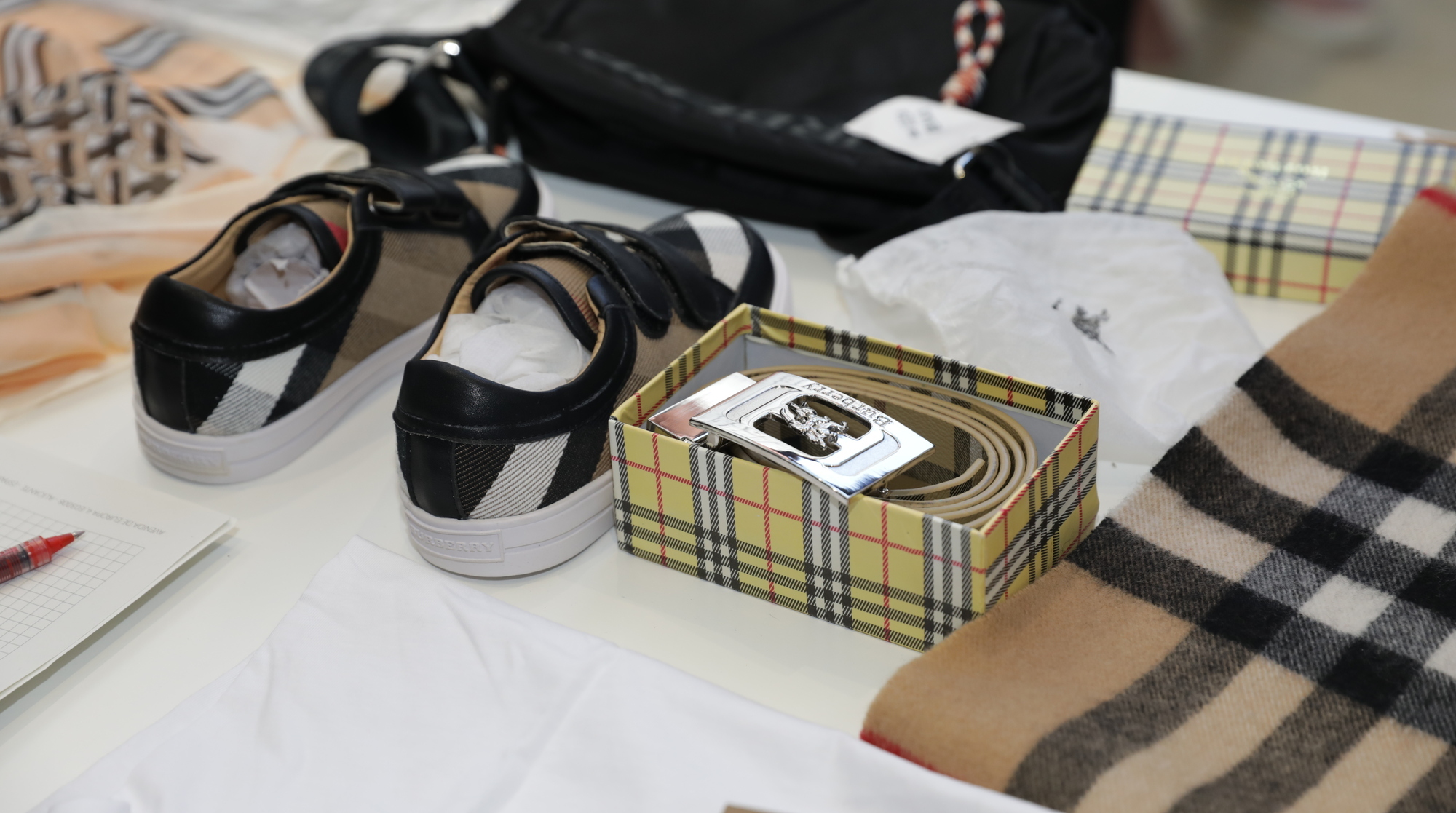
Around the globe, counterfeit items that mimic the appearance of genuine products have become widespread, fuelled by the expansion of e-commerce and the influence of social media.
According to data from the European Union Intellectual Property Office, the fashion and clothing industry sustains estimated annual losses of €12bn, while counterfeit handbags, jewellery and watches cost genuine manufacturers up to €2.7bn in lost sales every year across the EU.
In Ireland, counterfeiting causes annual losses of €349m in the clothing sector and €10m in the handbags sector.
SMEs are particularly vulnerable to this type of infringement, as they often rely on a small number of distinctive product designs and have limited capacity to monitor and enforce their design rights.
A major international enforcement action earlier this month, supported by EUIPO, targeting counterfeit sports merchandise, led to the seizure of more than 66,000 fake football jerseys and kits intended for distribution during the FIFA World Cup 2026.
The products imitated official designs, crests and distinctive elements of national football teams and were intended for sale through illegal street markets, unauthorised online channels, social media platforms and other illicit distribution networks.
Read More
“When there are major international sporting events, we clearly see an increase in the number of counterfeit goods seized,” said Yann Ambach, head of tariff and trade policy at French customs.
“We are dealing with large-scale fraud, criminal networks and poly-criminality. Manufacturing, transporting and buying a counterfeit product is not a trivial act. It fuels criminal networks, results in job losses, a loss of expertise and a loss of tax revenue.”
The estimated value of the seized counterfeit goods exceeded €2m, while the economic damage to intellectual property rights holders is estimated at more than €7m. The operation also resulted in numerous arrests linked to suspected intellectual property offences, while investigations remain ongoing.
Around the globe, counterfeit items that mimic the appearance of genuine products have become widespread, fuelled by the expansion of e-commerce and the influence of social media.
Around 13% of Europeans report having intentionally bought counterfeit products, a figure that rises to 26% among younger consumers aged 15-24.
Product design is especially valued by younger consumers, with 76% of Irish consumers willing to pay more for better-designed products.
Design-led sectors are particularly vulnerable to counterfeiting, with estimated losses of €12bn in the clothing sector and €2.7bn in handbags and jewellery each year.
As design becomes an increasingly important factor in consumer decisions, European creators and businesses also face growing risks from counterfeiting.
Design matters particularly to younger consumers, with 80% of those aged 18 to 24 agreeing it is an important factor in their purchasing decisions.
That young demographic is also more likely to be willing to pay higher prices for better quality products and to associate design with positive emotions.
While quality and price remain the most important purchasing factors, the value of design also makes it vulnerable to counterfeiting and unauthorised copying, which remain widespread across key sectors such as fashion, furniture, electronics and other consumer goods.
“European design is one of our greatest competitive strengths. It shapes the products we trust, value and enjoy every day while helping businesses stand out in the global market,” said the executive director of the EUIPO, João Negrão.
“Research confirms that consumers, especially younger generations, recognise the value of good design. Protecting designs gives creators the confidence to innovate and businesses the edge to compete — generating the growth and competitiveness on which Europe’s economy relies.”


CONNECT WITH US TODAY



Be the first to know the latest news and updates