ECB’s Philip Lane believes inflation will top 2% for some time
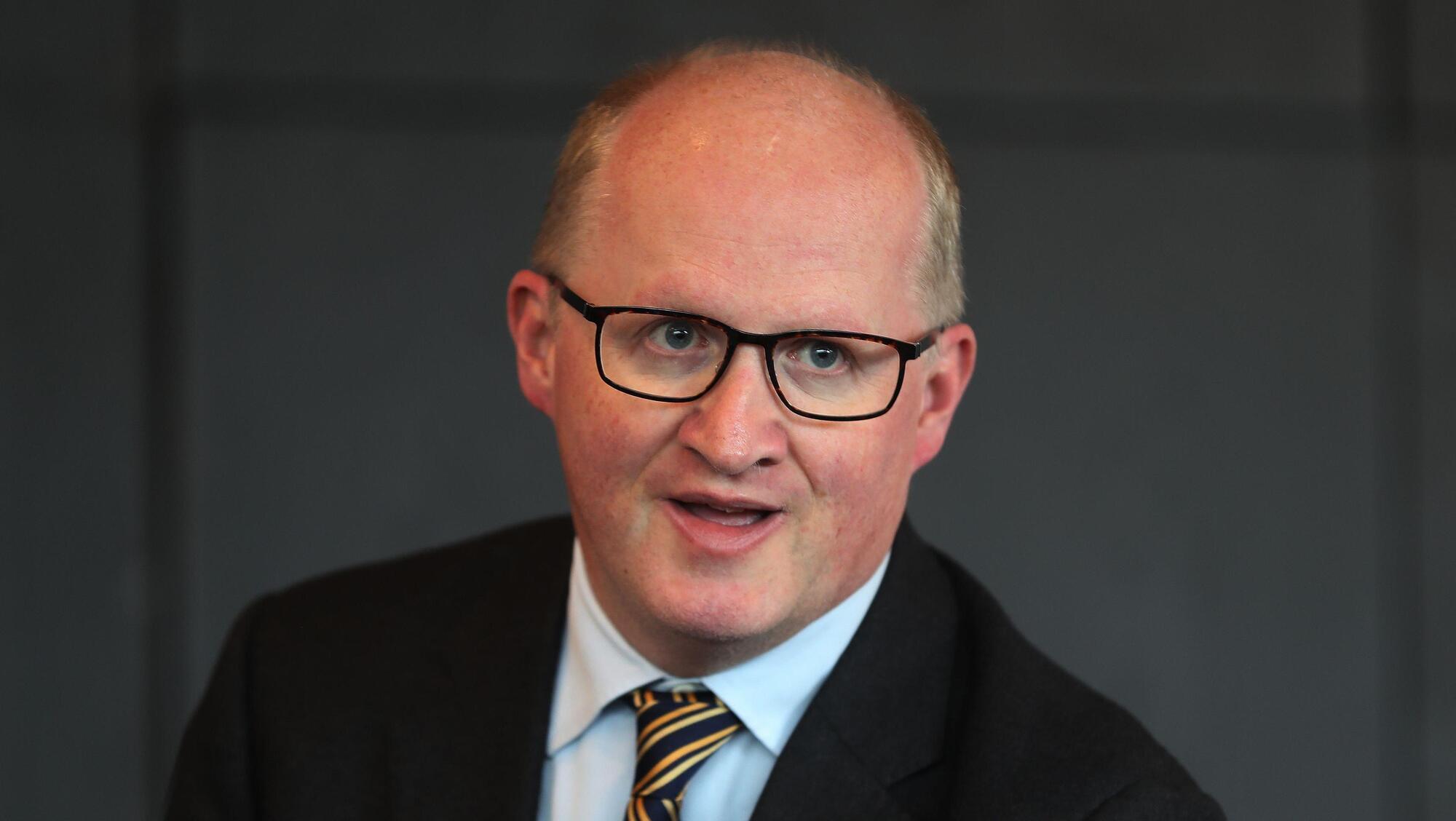
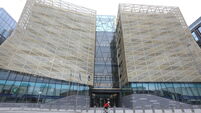
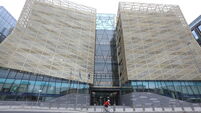
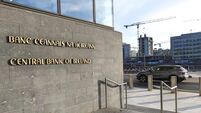
Governor of the Central Bank of Ireland Philip Lane at the official opening of the bank's new Dublin Docklands headquarters.
European Central Bank officials are facing the risk that inflation will hover above their goal “for quite some time,” according to Chief Economist Philip Lane.
“A range of forward-looking signals point to inflationary pressures in the coming months,” Lane told the European Parliament on Tuesday in Brussels, citing surveys of purchasing managers and selling-price expectations, among other things.
“In this environment, our focus remains clear: to ensure that inflation stabilises at our 2% target in the medium term,” he said.
The remarks underscore the ECB’s belief that progress toward a lasting peace with Iran isn’t enough on its own to tame inflation in Europe. Policymakers continue to warn that the surge in prices sparked by the war is widening beyond energy.
They lifted interest rates for the first time since 2023 this month and markets expect another hike before year-end.
Discussing June’s increase, Lane said that even in the ECB’s milder scenario for developments in the Middle East, inflation was set to remain above target “for long enough to warrant a measured response”.
Lane argued that there is “some momentum in wages”, adding that for the average worker pay is likely to increase more than inflation this year.
President Christine Lagarde said on Monday that the ECB must remain agile and is ready to adjust its response as the shock evolves. For now, however, she said officials see “no evidence yet of de-anchoring of inflation expectations or second-round effects that would warrant a more forceful policy response”.
Brent crude slid toward $77 a barrel after falling 3.3% on Monday, the biggest drop in almost a week. At the same time, a poll of eurozone purchasing managers showed the conflict is weighing on business activity in the bloc, though not triggering a recession.
“The peace agreement in the Middle East is welcome,” Lane said, echoing Lagarde. “But the situation remains fragile, with risks of setbacks or re-escalation.”
That sentiment was shared by Slovak central-bank Governor Peter Kazimir, who signaled that further ECB action may still be necessary as energy price rises filter into other areas of inflation.
“What we’ll do and exactly when will really depend on the incoming data,” he told reporters in Bratislava. “But I think the direction is clear and I think we still have work to do.”
Spain’s Jose Luis Escrivá agreed that high oil prices are feeding through to other parts of the economy. “Indirect effects are becoming apparent,” he told lawmakers in Madrid.
Lane highlighted again that risks to economic growth are skewed to the downside while those to inflation are to the upside.
“We will continue to take our decisions meeting by meeting, based on the incoming data,” Lane said. “We will remain attentive to the risks on both sides of the outlook.”

CONNECT WITH US TODAY



Be the first to know the latest news and updates