Alan Healy: Trump's antics giving Ireland's households financial whiplash
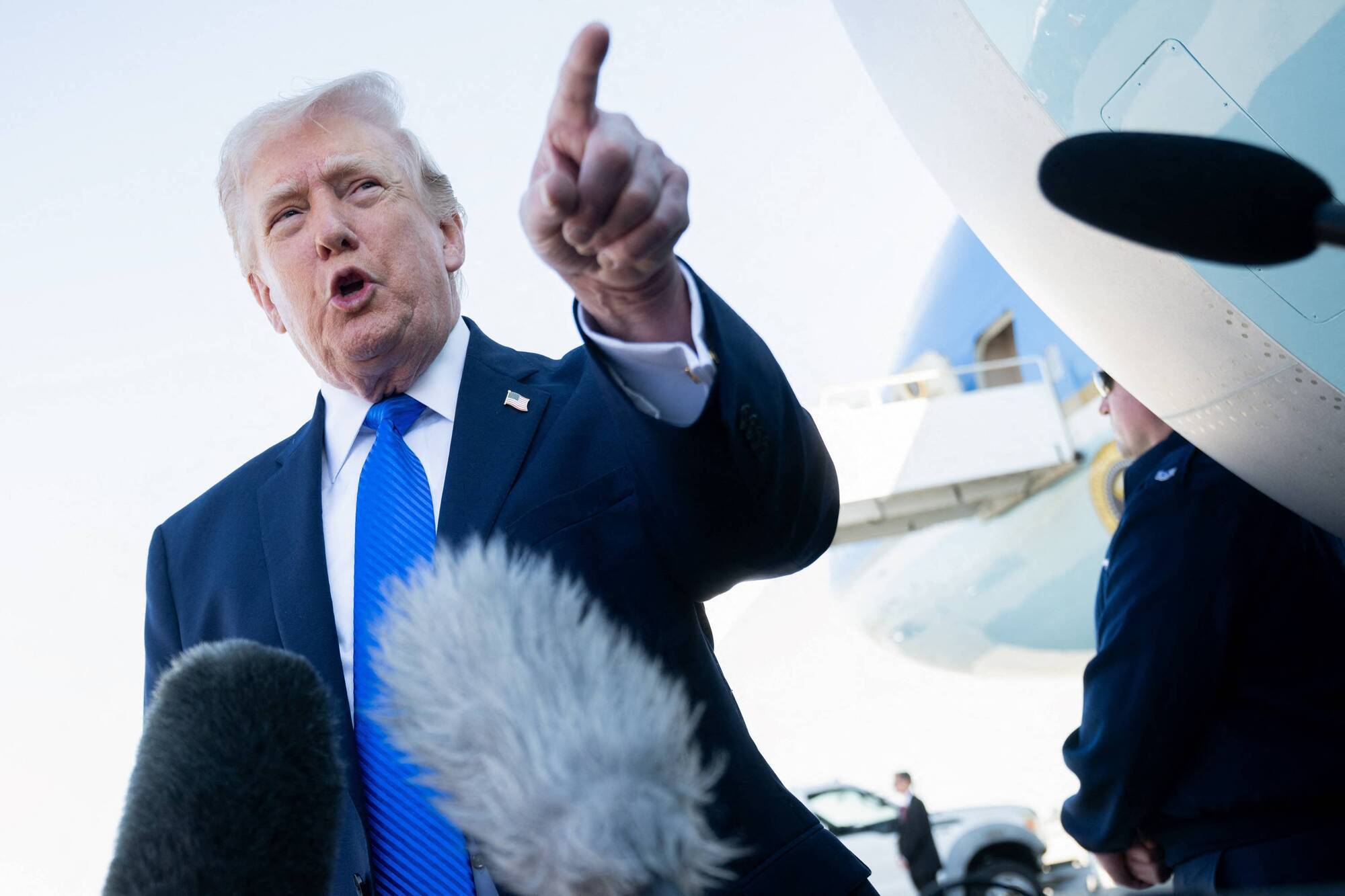
From Liberation Day to Iran, actions by the US President have a direct link to household finances here.
The European Central Bank raised interest rates yesterday, an expected move that will instantly hike the monthly repayments of up to 190,000 Irish households on tracker mortgages and put pressure on the remaining 100,000 households on variable rates who will wait to see how their lenders react.
The ECB has been clear that its move is an attempt to address rising inflation, which itself is directly linked to conflict between the US, Israel, and Iran, which has heavily disrupted global oil supplies and spiked energy costs. The latest round of air strikes by both sides shows the supposed ceasefire agreement is in tatters, and any new talks will have to go back to the start.
The reality is that the conflict is far from resolution and the ECB is also flagging a further rate hike in September as it aims to bring inflation, which has creeped above 3%, back towards its 2% target.
For households here, we are back to the ebb and flow of rate hikes impacting finances. For househunters, it makes the spirit-crushing effort of securing a home even more challenging. Even those who previously fixed their rates will start rolling back into a rising-rate environment.
With the ECB placing blame on rising inflation at the feet of the Iran conflict, it again highlights how Irish household finances have been dominated by the decisions of the US Trump administration.
Read More
On his election,Donald Trump inherited a US and global economy which had largely righted itself following the post-covid inflation crisis spurred by Russia's invasion of Ukraine. Inflation worldwide was heading back to the 2% target.
However, his ill-fated tariff war, since rejected by the US Supreme Court, spurred a global trade crisis which is still being felt today, despite an obligation on the US to repay the tariffs it collected.
On Friday, a staggering 12.1% slump in our GDP dragged the entire eurozone into an unexpected contraction. The drop was attributed to the roller coaster effect of big corporate taxpayers like Eli Lilly, who exported large volumes of products across the Atlantic a year ago in advance of threatened tariffs by Trump on his 'Liberation Day' announcement.
Less than a year later, Trump dropped a key election campaign promise of no more wars to embark on a conflict against Iran the he hoped would have been as decisive as their actions in Venezuela. Its impact on the global economy was swift and significant.
Ireland has long thought of itself from a geopolitical stance as sitting quietly in the corner of the classroom, remaining focused on its own interests. Iran and the closure of the Strait of Hormuz changed that. The rapidly rising price of fuel at the pumps kicked off the first major protests that saw farmers and hauliers shut down oil depots and refineries, which saw filling stations run dry.
Government action has taken some of the pain away from the price of fuel, but the impact is still being felt.
Just today, the ESRI confirmed what many households here already know. That that rising energy prices in 2026 are highly regressive, affecting low-income households relatively more than high-income households. The study also shows that recent government measures have reduced, but not eliminated, the cost pressures facing households.
Without the government’s cost-of-living package, low-income households would face an energy price increase equivalent to 3% of their household income. High-income households would face an energy price increase of 1%.
The impact of the Iran crisis on domestic finances is very real and highlights how US President Donald Trump remains a puppet master of the Irish and European economy.
The overall situation reflects poorly on Europe as well. The relatively quick and corrective action being taken by the ECB this week is in contrast to some of the criticisms it faced in 2021 and 2022, where many felt the central bank reacted too slowly to the rising inflation, which eventually saw price rises peak at 10% in late 2022. This increase is its first in three years but may be followed by two further hikes this year.
Mortgageholders will be hoping that banks and lenders here exercise the same level of restraint they showed in 2022 and 2023. Back then, Ireland topped the European leaderboard for interest rates. As the ECB began its series of ten consecutive rate hikes from 0% to 4.5%, lenders across Europe moved rapidly to pass on the pain. Irish banks were more hesitant. The most recent data from March shows we stand at seventh position in the European rate tables.


CONNECT WITH US TODAY



Be the first to know the latest news and updates