Ireland facing shortfall of over 20,000 engineers in next decade
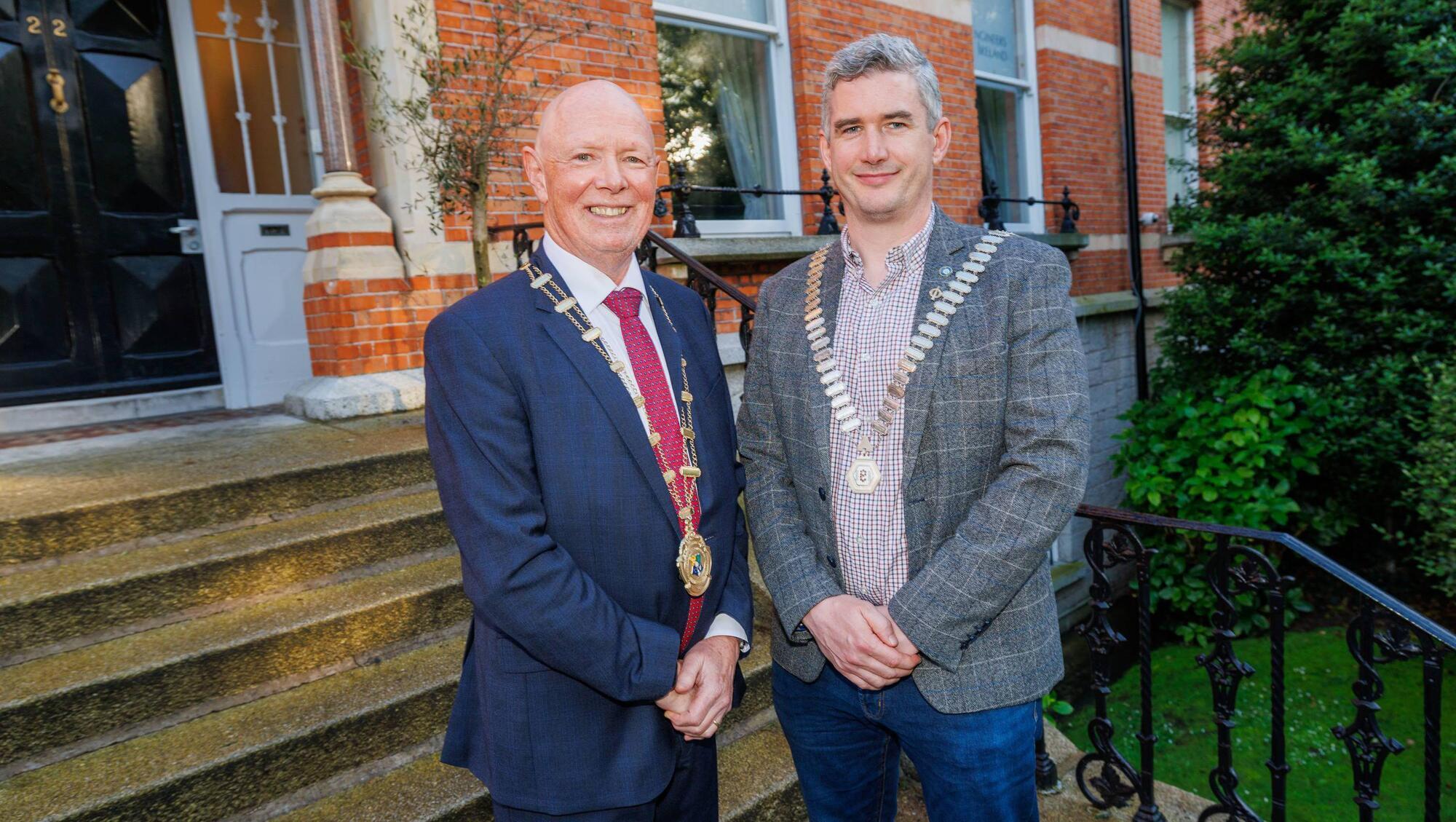
Chair of Engineers Ireland Cork branch says engineers and engineering technicians account for 4.3% of all occupations in Cork.
Dave Murphy from Carrigaline, president of Engineers Ireland with Mark Cotter, chair of Engineers Ireland, Cork Branch.

Dave Murphy from Carrigaline, president of Engineers Ireland with Mark Cotter, chair of Engineers Ireland, Cork Branch.

Ireland is facing an alarming shortfall of engineers, it has been claimed, as key national infrastructure projects come on stream over the coming decade.


Cork branch of Engineers Ireland chairman Mark Cotter has warned that the country could have a shortage of more than 22,300 engineers in the next 10 years.

There are 55,000 to 60,000 engineers and 20,000 engineering technicians currently working in Ireland. More than 12,000 engineers and engineering technicians work in Cork, representing 15.4% of the national total.

Mr Cotter noted that engineers and engineering technicians account for 4.3% of all occupations in Cork.

He said: “These are engineers working in infrastructure projects but also people working in areas like pharmaceuticals, electrical services, and medical devices. The numbers of graduates is reducing in the civil and structural areas, whereas other fields in engineering are increasing.”

Major infrastructure projects in Ireland will require engineering expertise. This includes the plan to build 300,000 houses by 2030 and major projects in Cork such as the Cork Luas and Bus Connects that will call for considerable volumes of engineering talent to deliver.

Mr Cotter said research suggests Ireland will require an additional 5,000 to 6,000 engineers and engineering technicians up to 2030.

“With only around 4,500 students receiving engineering/manufacturing degrees each year at NFQ levels 8 to 10, there is a shortfall between supply and demand in the labour market,” he said.

In 2024, there were 3,660 graduates from engineering, construction, and manufacturing NFQ level 8 degrees — 10% of graduates in Ireland.

Women in engineering

The shortage of women in engineering is also a concern. Around 15% of employed engineers are women, while about 25% of graduates of engineering, construction, and manufacturing courses are women.

“Historically, engineering was a male-dominated industry,” added Mr Cotter. “The more infrastructural fields of engineering were more male-dominated but, in areas like medical devices, it is getting closer to 50-50.”

Solas’s national skills bulletin 2025 also identified that over 1,300 new employment permits for engineers from outside Ireland were issued in 2024.

Mr Cotter said Engineers Ireland is actively promoting engineering in national and second-level schools through the Steps and Engineers Week programmes, encouraging students to think about engineering as a career.

Steps was launched in 2000 and is the only national Stem programme with a dedicated focus on engineering. It is designed to open up the exciting possibilities that engineering offers to children.

Engineers volunteer for Steps school visits, while the Young Engineers Award competition helps to develop engineering projects to improve local communities.

Mr Cotter said State support would enable Steps to engage with an even greater number of students, with dedicated teacher training on engineering across primary and secondary levels.

He added that the engineering sector has undergone changes in recent years, with innovations such as building information modelling (3D modelling for plans) now increasingly important.

Mr Cotter works as an executive engineer at Cork City Council in operations and maintenance, and took the chair of the Cork branch of Engineers Ireland in May.

“I am looking forward to a busy year ahead,” said Mr Cotter. “Engineers are often seen as innovators and I want to take this view as the focus of the annual Cork continuous professional development autumn lecture series. With the advent of AI, modular, and off-site construction and manufacturer methods, I will seek to collaborate with industry leaders in these fields to provide informative continuous professional development sessions for the region.”


utomation and project engineers.

x

More in this section

The Business Hub

Newsletter

News and analysis on business, money and jobs from Munster and beyond by our expert team of business writers.

Cookie Policy Privacy Policy Brand Safety FAQ Help Contact Us Terms and Conditions

© Examiner Echo Group Limited