John Whelan: Trump's generic drug tariff plan raises Irish concerns
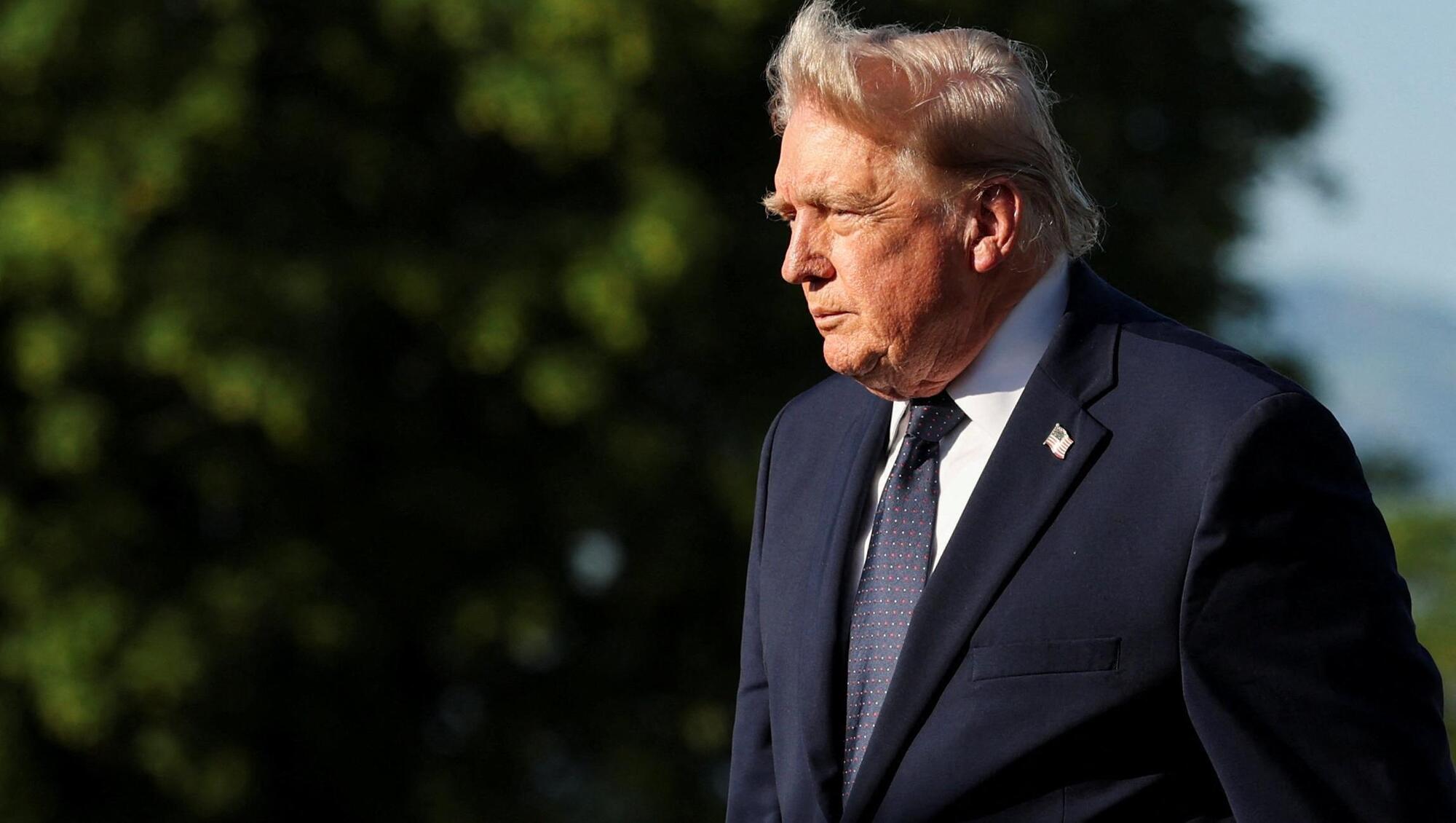
Donald Trump last week announced new tariffs on generic drugs in the US.

As part of US president Trump’s drive to slash the massive US trade deficit, last week he announced tariffs on generic drugs in the US will be raised from zero to 100% after two years and to 200% thereafter to “reshore” generic pharma production in the US, adding that companies deciding against building plants in the US will be “penalised”.
Read More
The announcement came as part of the so-called Section 232 investigation into the pharmaceutical sector to probe the impact of imports on national security and impose tariffs if needed. This came in the same week as the US administration scrambles to replace the global 10% which was due to expire on Friday, with new tariffs of between 10% and 12.5% on more than 80 countries, including the EU, the UK, Mexico, Canada, Australia, India, and China. The new tariffs are being implemented under section 301 of the Trade Act of 1974, which allows the president to bypass Congress to instate tariffs designed to punish countries it deems is using forced labour to export goods to the US.
Mr Trump's threat of 200% tariffs against generic medicines is a major expansion of a strategy he's been using against the pharmaceutical industry since his second term began.
Last year he successfully targeted the wider branded pharmaceutical sector with similar threats, which resulted in a surge in capital inflows to the US, from companies such as Pfizer, Johnson & Johnson, and most other patented and branded manufacturers. The investments promises and the so called ‘most favoured nation pricing’, guaranteed the continuity of the zero tariff on the majority of exports from Ireland to the US for at least 3 years.
However, there are crossovers between branded drugs and their generic equivalents. As a consequence, Mr Trump’s proposal for a phased 200% tariff plan targeting imported generic drugs, aiming to force domestic manufacturing reshoring, is expected to have a number of impacts on the sector in Ireland as well as on the US consumers.
While the sector in Ireland is mainly focused on high value patented and branded medicines, it also produces generic lines of their own branded products, as part of their strategy to retain customer loyalty once their products come off patent protection.
A typical example is Viagra produced by Pfizer in Ringaskiddy, encompassing both brand-name Viagra and its generic equivalent - Sildenafil.
But it will also have severe implications for smaller generic only manufacturers such as Amneal Pharmaceuticals in Cashel, Pinewood Healthcare in Tipperary and Niche Generics manufacturing facility on the outskirts of Dublin.
Shift production to the US is a considerable financial load. The combined action of the Trump tariff threats on both branded and now generic medicines, will increase pressure on Ireland-based manufacturers, to move manufacturing operations to the US or exit the market, but may also de-rail the Trump administrations cost reduction plan for US consumers.
More than 90% of prescriptions Americans take are generic medicines, according to the US Food and Drug Administration. They contain the same active ingredients as brand-name drugs but typically cost far less. Around 70% of those medicines are sourced from overseas and include painkillers such as aspirin and antibiotics such as amoxil used for chest and ear infections.
If the tariffs materialise, they risk upending a global supply chain that has kept generic medicines more affordable in the US than they are in many other countries, according to Oxford Economics.
Sandoz, chief executive Richard Saynor, a large Swiss-headquartered generic manufacturer, with 15 sites globally including its Rowex facility in Bantry, but crucially none in the US, gave an indication of how many in the industry were reflecting on the announcement. Last year the Sandoz ceo said putting tariffs on generic companies would not spur them to move manufacturing, instead it will lead them to stop supplying vital medicines to the US. "We sell a packet of antibiotics in the US more cheaply than a packet of M&M's," said Mr Raynor. "So why would I invest three, four, $5bn over three to four years to bring in a product where I am not going to make any money? It's not going to happen."
The European Commission said Wednesday that it expects European generic medicines to be exempt from Mr Trump’s latest tariffs, arguing that Washington committed to a zero-tariff rate with last year’s transatlantic trade deal, struck at Turnberry in Scotland last year. The sector in Ireland will hope that this remains the case.