Eurozone inflation at three-year low as rate decision nears
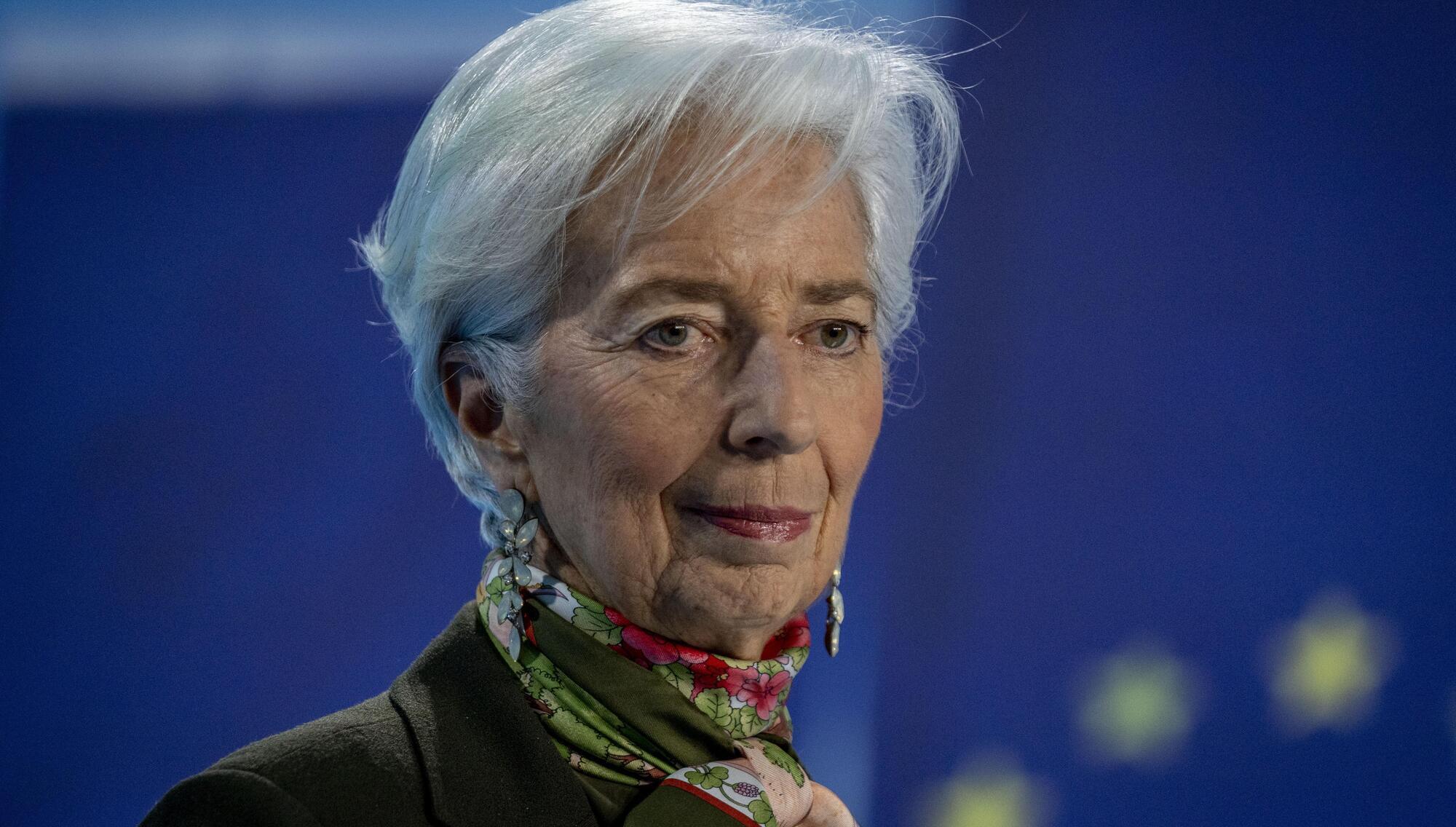
President of European Central Bank Christine Lagarde and the rest of the Governing Council are due to meet on September 12 to decide on a potential interest rate cut.
Inflation in the euro zone fell to its lowest level in three years this month, setting the stage for a further cut in the European Central Bank's interest rates in September despite an Olympics-driven surge in the price of services.
Inflation in the 20 countries sharing the euro currency fell to 2.2% this month, the slowest pace since July 2021 and closing in on the ECB's 2% target, according to a flash reading by the European Union statistics office, Eurostat.
Inflation in Ireland was even lower falling to 1.1% during the month.
While the fall was mostly driven by lower energy prices and may even reverse later this year, it was still likely to seal the deal on a second ECB rate cut on September 12 after a first move in June.
Even ECB board member and prominent policy 'hawk' Isabel Schnabel appeared to open the door to more easing on Friday, saying further gradual rate cuts might not derail the disinflation process as some policymakers had feared.
Still, the report showed price growth in the services sector — which is closely watched by policymakers because it better reflects domestic demand rather than external conditions — accelerated to 4.2% from an already high 4.0%.
This was the probable result of a boost from the Olympic Games in Paris, but also greater spending power by workers after some recent pay increases.
"This likely reflects a relatively tight job market, as the decrease in the unemployment rate in July shows," said Gian Luigi Mandruzzato, senior economist at EFG Asset Management.
For now, markets see about six rate cuts before the end of next year, roughly one more cut than is baked into the ECB's own economic projections, indicating that markets are more optimistic about the price outlook than the ECB.
This is partly because market economists see a bigger dip than the ECB's own staff in inflation this autumn. Policymakers say they will not be confident in the inflation outlook until wage growth slows, with Germany’s Central Bank especially vocal about this risk.
Still, with inflation now within a whisker of the ECB's target, the eurozone's central bankers were likely to broaden their debate from the single-minded focus on inflation to take into account signs of economic weakness.
Wage growth has slowed sharply and unemployment is already rising in around a quarter of the eurozone's 20 countries.
Lending has dwindled to a trickle since the ECB jacked up rates last year, causing investment to dry up and hampering sectors that rely on it, such as construction and manufacturing.
This has left eurozone economic growth barely humming along for over a year, with weakness in industrial powerhouse Germany only partly offset by strength in services-oriented countries such as Spain.


CONNECT WITH US TODAY



Be the first to know the latest news and updates