Neil McDonnell: More job losses are likely despite high employment
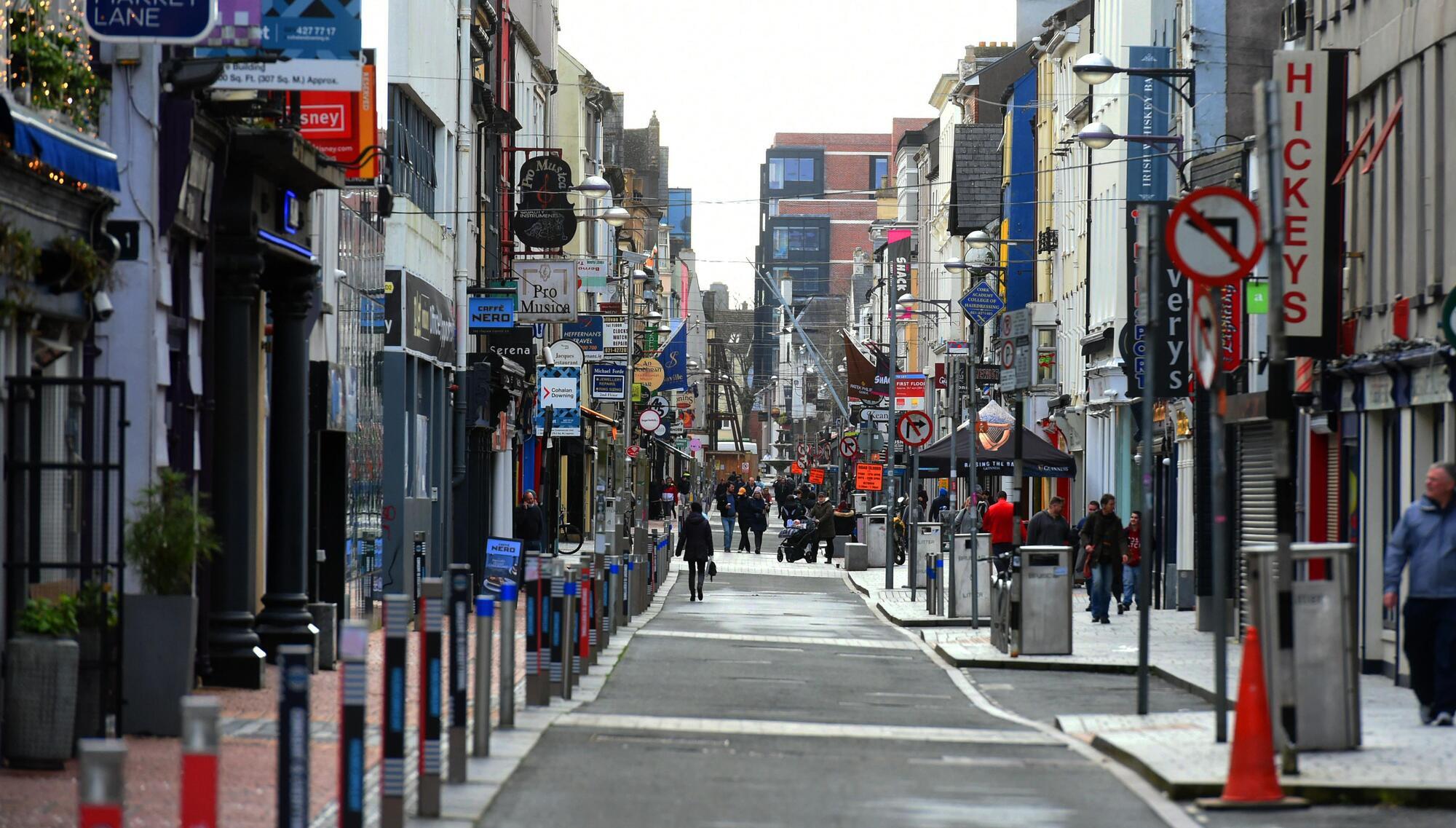
"Unfortunately for workers, it is in the CSO’s monthly unemployment figures that we are likely to see the true cost of Government intervention. The recent job losses in the Tung Sing and Nash19 are not the last, they are the first," writes Neil McDonnell.
The unemployment figures for December were published by the CSO last week and show a slight increase in the unemployment rate to 4.9% from November’s rate of 4.8%.
Like political polls, the individual monthly results are less important than the trend. We hit a two-decade low of 4.1% in February 2023, and since then, we have seen a gently increasing unemployment curve.
This is not the end of the world, and most EU countries would love to have our low unemployment rate. Eurostat puts the EU unemployment rate at 5.9% last November. But the trend, along with more current developments in the labour force, suggests we have passed the employment peak, and will need to manage in a looser labour market.
One of the disadvantages of being a small open economy is that when the rest of the world sneezes, we catch cold.
The global economic outlook for 2024 is strained but luckily for us, the OECD reckons that domestic consumption in Ireland will keep the local economy ticking over in the year ahead, even as our GDP declines. However, there are some hurdles we will have to jump if the domestic economy is to remain healthy.
One expected hit for small food producers and exporters is that the UK will finally introduce the border controls it has continually postponed since Brexit.
Business is also undergoing a massive shift in labour cost this month. From January 1, the national minimum wage (NMW) increased by 12.4%.
This adjustment is second only in size to the reversal of the NMW cut in 2012 following the great recession. This increase will impact all wage earners up to about €15 per hour, or €30,000 per annum.
An ESRI study in January 2022 suggests that workers in labour-intensive sectors such as manufacturing, hospitality and food could expect a reduction in worked hours of between 6% and 8% because of the increased cost burden imposed on employers.
Unfortunately, those workers who tend to suffer most are the low-skilled and the unskilled.
On top of the increased NMW this year, statutory sick pay is rising to an entitlement of five days, pensions auto-enrolment at a cost of 1.5% of payroll is scheduled to start in the second half of the year, and PRSI will rise by 0.1% in October.
The Revenue tax debt warehousing scheme is also maturing. By May 1, businesses must have repaid their warehoused debt, or have entered a phased payment arrangement (PPA) which will give them a maximum of 36 months to clear this debt, but this may not be sufficient for many of them.
The great majority of businesses with outstanding Revenue debt will be able to enter a PPA, but not all. There are many businesses with a trading hangover post pandemic, with lost sales they will never recover.
It’s never one thing that threatens the viability of a business, it’s always the confluence of several factors. 2024 just happens to be when many of these factors impact labour cost, so a reaction from business owners must be anticipated.
The cumulative impacts of Government policy change this year will see business overheads increase by close to 20%. The capacity of both employers and their customers to absorb this level of adjustment will be severely tested. Unfortunately for workers, it is in the CSO’s monthly unemployment figures that we are likely to see the true cost of government intervention. The recent job losses in the Tung Sing and Nash19 are not the last, they are the first.
- Neil McDonnell is chief executive of Isme.

CONNECT WITH US TODAY



Be the first to know the latest news and updates