Pay parity for teachers becoming a political hot potato before the budget
Suddenly the Fine Gael-led Government has been handed a burning political hot potato as the summer draws to a close and schools due to reopen.

Pay parity for teachers becoming a political hot potato before the budget

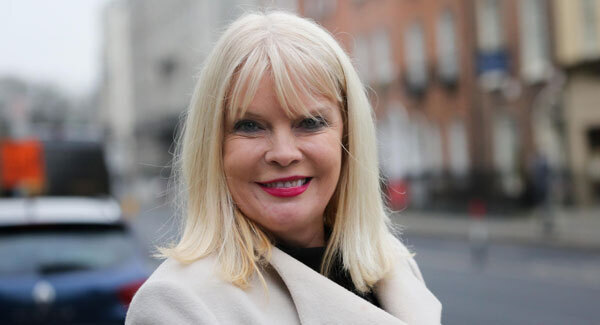
Super junior minister Mary Mitchell O’Connor’s pronouncement that teachers should get equal pay may have been candid, but the bungling remarks jolted colleagues.

While the minister was essentially cornered into addressing the thorny issue at a media event when asked about equal pay for her own role at Cabinet, her remarks on pay parity for teachers has put her colleague and senior Education Minister Richard Bruton, and now the Government, in an awkward and uncomfortable position.

Equally, mandarins in the Department of Finance won’t be grateful for being landed with this additional headache ahead of the usual horse-trading ahead of October’s budget.

The timing couldn’t have been worse, with teachers returning to the classrooms in the coming days. No doubt, Ms Mitchell O’Connor’s comments will be the talking point in staffrooms up and down the country.

The very last thing that Finance Minister Paschal Donohoe wants is a rush of special interest groups, unions, and campaigners banging on his department door with pleas for extra pay, bonuses, or top-ups as he begins the daunting process of putting together his first full budget alone.

Especially from teachers, one of the strongest lobbyist groups.

Unsurprisingly, teaching unions have jumped all over Ms Mitchell O’Connor’s opening to push for equal pay.

But, while it may seem like an unpalatable measure for government to consider, there was a mixed reaction to the Dún Laoghaire school principal’s views.

Some ministers ran a mile. Others agreed that unequal pay should be phased out.

Teachers who walked into classrooms for the first time after 2010 are on 14 % lower pay than colleagues, even though they have the same responsibilities. Rates for new entrants were cut after the financial crisis.

The Haddington Road deal, the successor to the Lansdowne Road deal, contains provision for the gap to be reviewed over the next two years however, teachers say that this is not enough.

Unions are expected to reject the draft public pay sector deal because it does not restore pay parity and they have piled in behind Ms Mitchell O’Connor’s position. Her remarks may have been ill-considered, but many are in agreement.

Nonetheless, this will not help those teachers at this stage. Equally, the super junior minister’s gaffe may blow up into a bigger problem if other workers decide they would like a minister or two to take their side.

This is budget time. And despite the suggestion that the economy is fixed, albeit one many only see on paper, there have been warnings that public wages must not return to the boom days.

Equalisation for teachers pay alone would cost some €240m, ministers say, an amount that would eat up nearly all the €300m discretionary spending in the budget.

Ms Mitchell O’Connor may feel she’s entitled to her passionate views on pay and parity, but she ought to do her sums when it comes to demanding equal pay for thousands of teachers.

More in this section

The Business Hub

Newsletter

News and analysis on business, money and jobs from Munster and beyond by our expert team of business writers.

Cookie Policy Privacy Policy Brand Safety FAQ Help Contact Us Terms and Conditions

© Examiner Echo Group Limited