Time to trust local government, just like Andy Burnham trusts Manchester
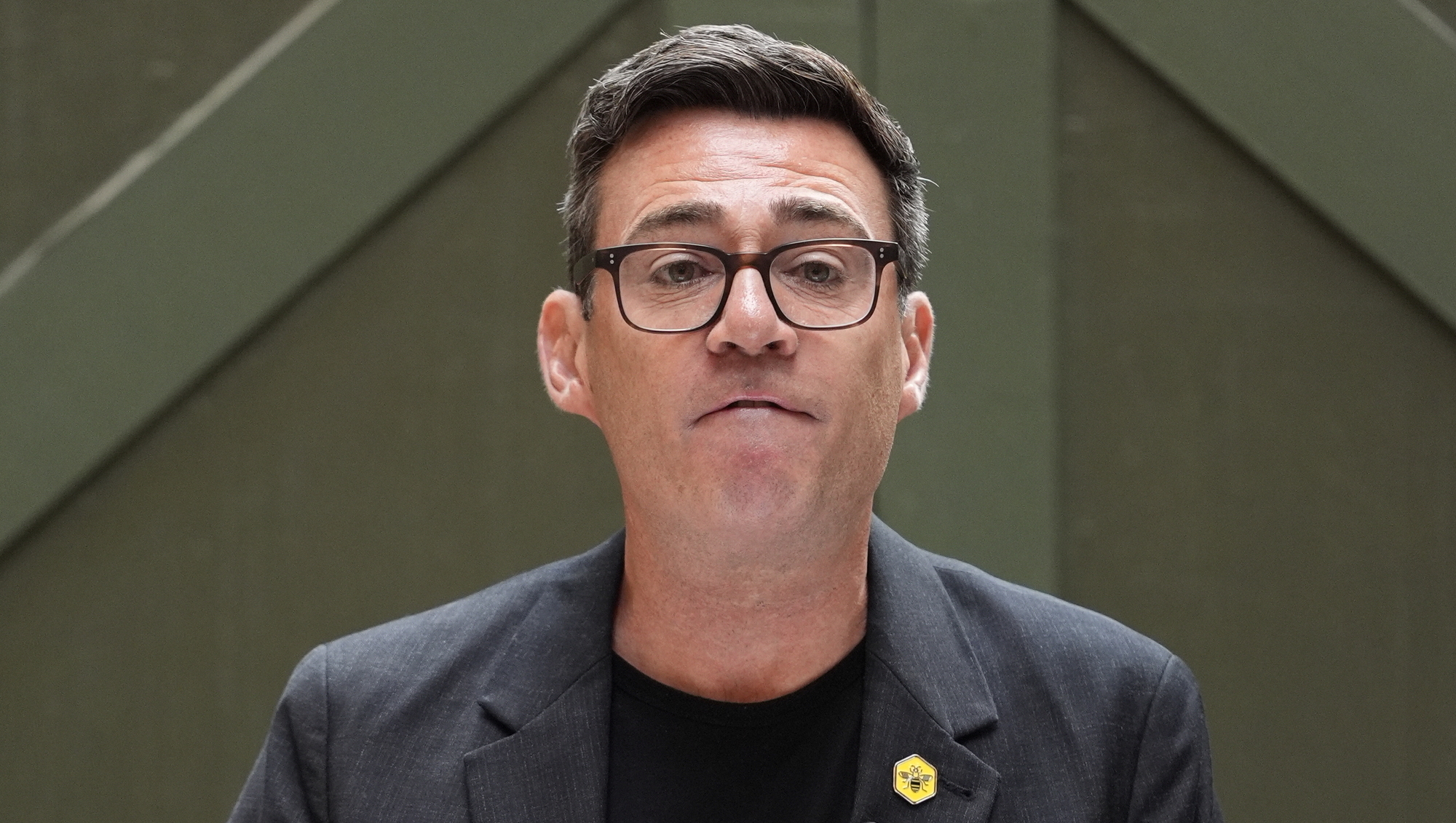
Andy Burnham's pledge to speed up devolutionary powers to regions like Manchester should be noted by our political leaders.
The announcement this week by The UK's presumptive prime minister in waiting Andy Burnham that he intends to create a No 10 of the North to speed up devolutionary powers to regions like Manchester where he has just finished being mayor, should be a note of attention for our political leaders on this island.
For too long, Ireland has operated on the assumption that if a problem exists, the solution must come from Dublin.
But it wasn’t just a figurehead hot desk in a Manchester office building that Burnham was talking about in his pitch to members of the Labour Party and the wider British public. It was a systemic rekindling of a flame that was lit with the likes of Nye Bevan when he created the NHS and Clement Atlee when he created the welfare state.
A flame that has dwindled over many decades both in government and out of government for the British Labour Party. A flame to deliver for place, not party. One needs to look at how the British commentariat (in London) poured scorn on his speech of nothing, as they deemed it.
Read More
A similar scorn here with the idea of directly elected mayors, whether in Limerick, Dublin or Cork or anywhere. Too celebrity focused. No skillsets there for those in office. Too constrained by, wait for it once more, Dublin.
Wait year in and year out for public transport funding to materialise while the BusConnects legislation to allow planning proceed hasn’t even passed. I’ve only spoken about one facet of transport here. How many other areas of local government are stymied by lack of confirmed funding?
The result is a political system that is among the most centralised in Europe, where decisions affecting communities in Cork, Limerick, Galway, Waterford and towns across the island are funded by those with no appreciation for the projects looking for funding.
If you want a bus shelter installed you need funding from the NTA. If you want vacancy and dereliction addressed, it is funding from the Custom House. If you want a library established to help communities, then it’s off to the Department of Rural Affairs with you — located in between Trinity College and the National Gallery. In Dublin.
This isn't a criticism of Dublin as a city. Even as a Cork man, it’s hard to write that. But Dublin councils are starved also. A brief chat with your local councillor, regardless of political persuasion will reveal that reality to you.
The challenges facing Ireland today require a different model — one that trusts local communities and gives local government the tools to deliver. Just like what Andy Burnham has referenced in the United Kingdom.
If you devolve power, places learn to exhibit the leadership needed to achieve what the people want. If you don’t achieve it, you’re out on your ear at the next election — no longer able to blame central casting in Dublin for the ills while you claim the good news.
For decades, local government has been treated as an afterthought. Councillors are expected to solve local problems but are denied the powers and resources necessary to do so. Local authorities are tasked with delivering national objectives while having little influence over the policies that shape them.
That has to change. And change now, not in some vague manifesto in 2029 while votes are being sought.
A modern republic should not fear sharing power. In fact, it should embrace it.
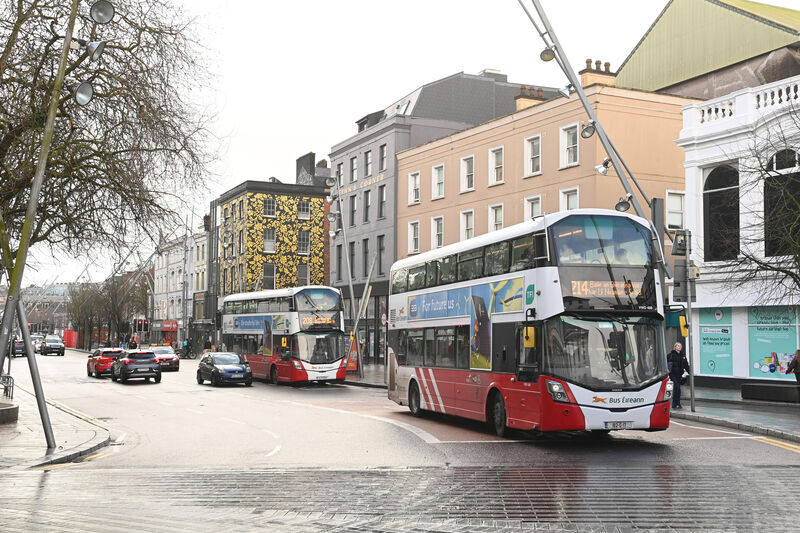
Imagine a Cork with greater control over transport planning, allowing us to build an integrated public transport system that connects communities across the city and county. Fast.
This isn’t radical. Our European neighbours see it as a fait accompli. They are normal features of successful democracies across Europe.
The Labour movement has always understood democracy is strongest when it is closest to people. Trade Unions like Siptu have sought this sort of power exchange for years.
From city halls to county councils, local government is where politics becomes tangible. It is where decisions about housing, public spaces, transport and community services directly affect people's daily lives.
If we are serious about balanced regional development, if we are serious about democratic renewal, and if we are serious about creating communities that can shape their own futures, then we need to start talking about what Andy Burnham has suggested but in an Irish context, and the ecosystem is there to build on it.
It is time to stop hoarding power in Dublin and start trusting local government. More importantly, start trusting the people.
- Peter Horgan is a Labour Party councillor for Cork South-Central and Cork City South East

CONNECT WITH US TODAY



Be the first to know the latest news and updates