European Union sues over car testing failures
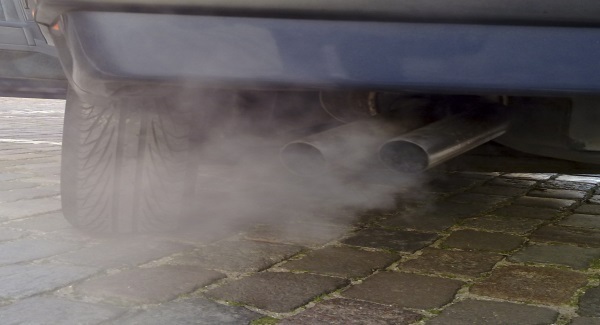
Amid mounting frustration in Brussels over what EU officials see as governments colluding with the powerful car industry, the European Commission is wielding its biggest available stick in an attempt to force nations to clamp down on diesel cars spewing health-harming nitrogen oxide (NOx) pollution.
German officials — who say EU law is poorly framed — had expected Brussels to stop short of confronting the EU’s leading power and by far its biggest car manufacturer, at a time when the unity of the bloc is being challenged by eurosceptics and Britain’s vote to leave.
Yesterday’s action is a sign that the EU executive, under pressure from the European Parliament, is keen to prove its worth to voters.
Germany, Britain, Spain and Luxembourg stand accused of failing to impose the kind of penalties Volkswagen has faced in the US over its use of illegal “defeat device” software to mask real-world NOx emissions blamed for respiratory illnesses and early deaths.
Reacting to the announcement, German transport minister Alexander Dobrindt said: “Germany is the only European country to have implemented a comprehensive list of measures to prevent unauthorised use of defeat devices.”
Britain enacted legislation to tackle emissions test manipulations in 2009, a spokesman for its transport ministry said. “The UK will be responding in the strongest possible terms [to the EU action],” he said.
Officials from Spain and Luxembourg could not be reached for comment.
The commission also accuses Berlin and London of refusing to share the details of suspicious findings revealed by national investigations into the ‘dieselgate’ scandal — without which it cannot carry out a supervisory role.
“This goes far beyond Volkswagen”, said an EU source, saying officials had more cases planned in a push to force cars spewing up to five times legal NOx limits off the road. Yesterday’s notice is the first step in what is known as infringement procedures, allowing the EU to ensure the bloc’s 28 nations abide by agreed EU-wide regulations.
Member states have two months to respond. If they fail to do so convincingly, the EU may take them to the EU court in Luxembourg.