John Whelan: AI boosting Airline productivity but won’t make your flights cheaper
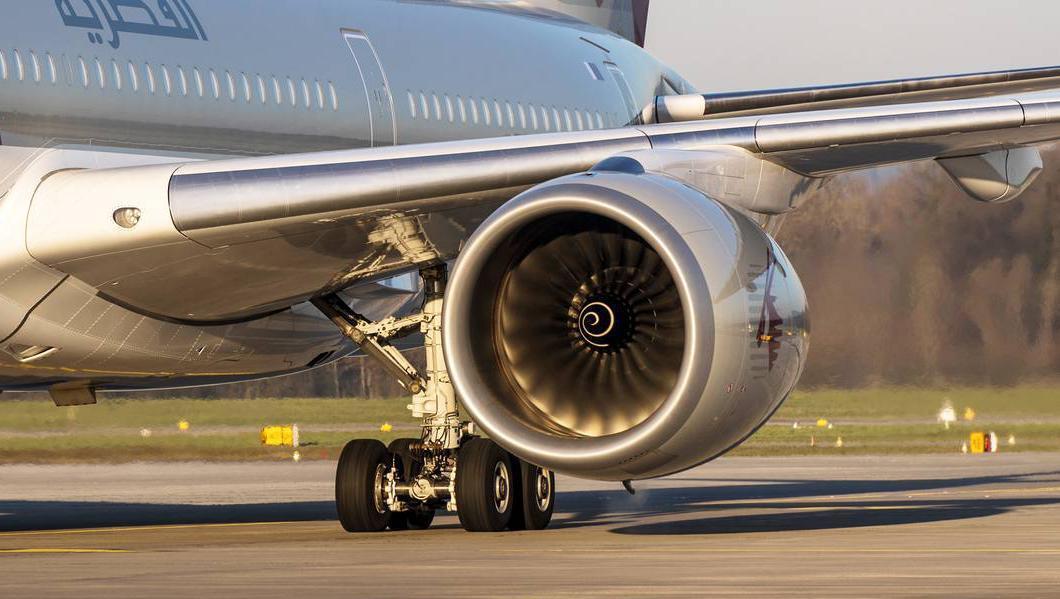
These AI developments raise questions about how far airlines may go in using passenger data.


These AI developments raise questions about how far airlines may go in using passenger data.

Many major airlines are using AI to boost productivity, streamline internal workflows, and improve flight punctuality. But AI is unlikely to reduce overall airline fares. Instead, airlines are using AI for advanced dynamic pricing to squeeze maximum profit from every seat.

And while AI may occasionally drop prices on empty, off-peak flights to fill spaces, it generally makes random cheap bargain fares harder to find on popular routes.

Ryanair earlier in the month announced partnering with Google for training their 35,000 employees in Google’s agentic AI platform to automate workflow and associated operational decision-making. The company expects the AI adoption to improve productivity as it is aims to grow annual passenger numbers to 300m by 2034.

British Airways has invested heavily in operational AI tools to monitor punctuality and minimise cancellations, significantly improving on-time departures out of Heathrow. The airline revealed a recent incorporation of AI has led to improvements to flight punctuality after years marked by operational chaos, following high-profile IT breakdowns in 2017, 2019, and 2022.

And whereas the majority of airlines are publicly announcing the adoption of sophisticated AI systems to mitigate the impacts of disruptions and improve passenger experience, they are all much more secretive about their use of AI algorithms to track competitor data, seat inventory, and seasonal trends to rapidly adjust ticket costs.

Ticket pricing

The real battleground is in the ticket pricing regime. Airlines actively scrape and monitor competitor pricing data in real time to feed their own automated revenue management systems. AI-driven competitor intelligence software constantly crawls online travel agencies and airline websites to spot fare adjustments on shared routes. These sophisticated AI systems track how fast a rival fills up specific “fare buckets”, adjusting their own prices up or down to capture market share.

Major industry players are already using the data collection technologies to feed their AI platforms. However, a number have moved the dial up further to determine more accurately how much passengers are willing to pay for a particular flight. As well as seat pricing, some airlines are using personalised data to change costs for luggage or seat selection based on what they think a particular passenger will pay.

These AI developments raise questions about how far airlines may go in using passenger data. The main concern is the possible emergence of individualised fares, where the cost of the same seat depends on how much a particular person is willing to pay.

Japan Airlines is already using software developed by Volantio to set prices and manage sold tickets more efficiently.

Consumer advocates and US lawmakers warn that airlines may use generative AI for so-called “surveillance pricing”. In this scenario, algorithms could take into account user data, including search history or estimated income levels, to set different prices for different passengers.

Investigation

These concerns have already attracted the attention of regulators in the US and in China. The US Federal Trade Commission has launched a civil investigation to determine whether airlines use personalised consumer profiles to increase ticket prices. Some states have also begun taking action. Maryland adopted a law aimed at protecting consumers from predatory pricing. Regulators in other countries are monitoring the issue following cases such as the heavy fine imposed in June 2026 on Chinese company Trip.com, a corporate travel management platform that commands close to 70% of China’s business travel market, for failing to comply with cross-border data security requirements and illegally transferring personal information overseas.

The main challenge for regulators will be ensuring transparency in new pricing systems and preventing situations where passengers’ personal data is used for pricing tickets to them individually.

The European Union seems not to be concerned, as regulations do not restrict airlines from using this data for their own standard commercial business model, provided they obey general consumer privacy laws.

More in this section

Cookie Policy Privacy Policy Brand Safety FAQ Help Contact Us Terms and Conditions

© Examiner Echo Group Limited