Central banks across the board get hawkish with interest rate hikes
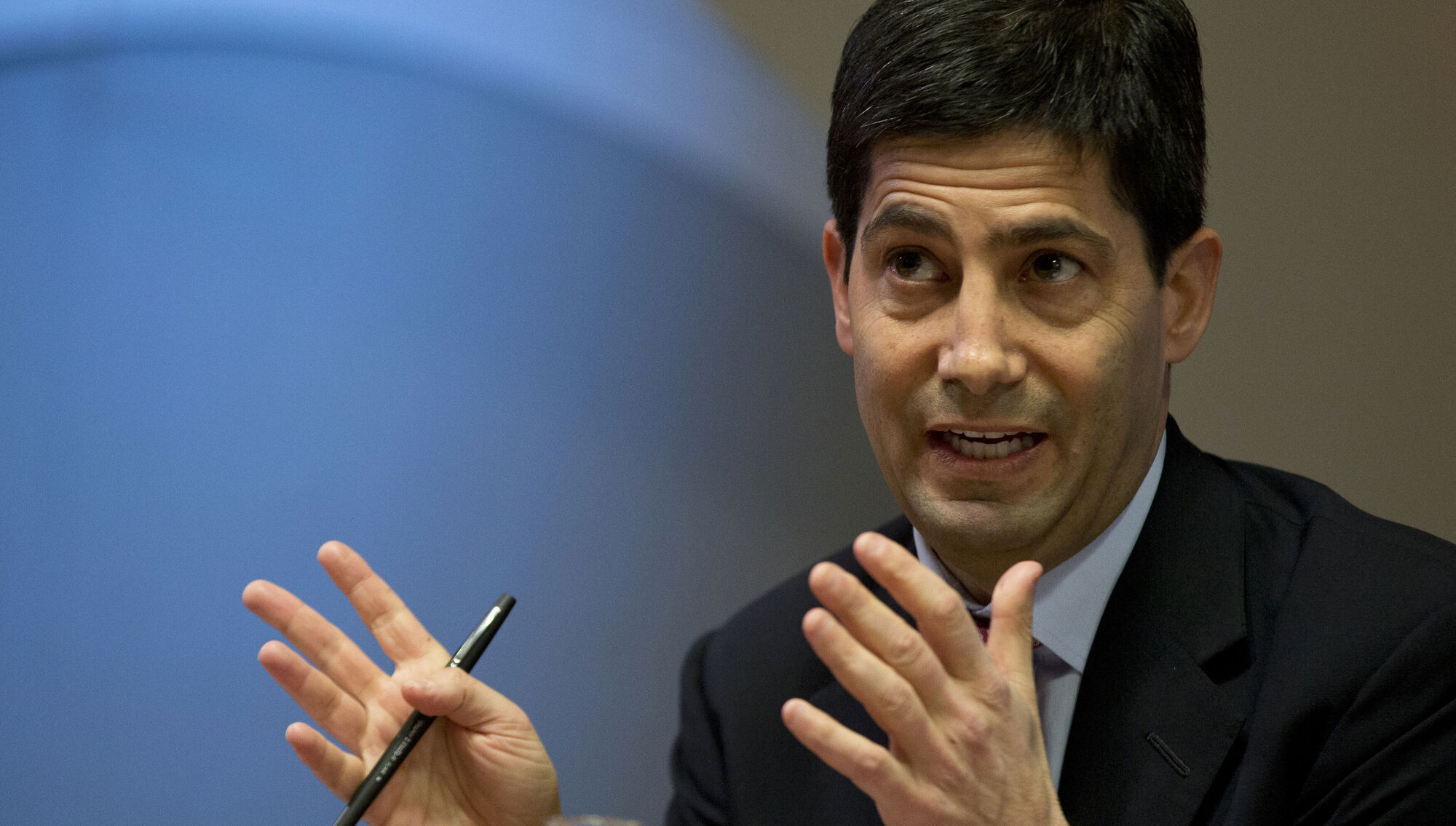
The shift towards hawkish rhetoric from Fed chair Kevin Warsh has been abrupt since his last monetary policy press conference.

A hawkish turn in monetary policy across the board is the theme that has emerged from the September central bank meetings. The ECB, US Federal Reserve, and Bank of Japan all delivered expected 25bps hikes, while the Bank of England (BoE) put markets on warning of a hike to come in November.
For the BoE, the decision to leave the bank rate unaltered was, once again, not unanimous. Similar to July, the decision was split 6:3, with three members in favour of a 25bps rate hike. Assessing both the meeting statement and minutes, the BoE has turned more hawkish since its previous meeting in July. The statement noted that the risks of material second-round effects on prices and wages, and in turn the need for tighter policy, are "greater the longer higher energy prices persist and are more volatile". The statement also referenced the view within the MPC that the "risks to inflation are tilted to the upside".
In terms of its quantitative tightening policy, the MPC also announced it will reduce its holding of UK government bonds by £368bn (€430bn) over eight years; but, crucially, indicated that it will retain a permanent portfolio of long-dated bonds and sell some short-dated securities back to the UK Treasury. This proposal immediately drove a sharp rally in gilt markets, with yields easing from the 20-year highs reached in prior days. The intervention is also timely for the UK government, ahead of the October budget, and is reminiscent of the Fed’s 'Operation Twist' programme of selling short-term bonds and purchasing long-term government debt during the global financial crisis.
For the US Fed, the shift towards hawkish rhetoric from chair Kevin Warsh has been abrupt since his last monetary policy press conference in July. As he alluded to in his Jackson Hole speech in August, he and other voters were becoming increasingly concerned by the lack of progress on disinflation. Against this backdrop, the Fed duly delivered the hike priced in by markets, and the latest interest-rate projection (dot plot) implies an increased hawkish bias. A total of 16 of the 18 Fed voters now expect to tighten policy further, before the end of the year, to 4.1%. Meanwhile, for 2027 the median projection is for rates to remain at this level (compared to 3.6% in June).
However, both the core and headline CPI inflation rates have eased by more than anticipated over the summer. The headline rate fell to 3.4% in July and remained at that level in August, while the core rate has declined in the last three months, printing at 2.4% in August, its lowest level since March 2021. Nevertheless, Mr Warsh has had to abandon his previously dovish outlook, perhaps under some duress from FOMC colleagues and market expectations.
However, he may reassert these dovish credentials in the new year, following the completion of five task-force reports, upon which he will seek to remake the operations of the Fed. Mr Warsh will also hope that geopolitical tensions have eased by that point, including the pressures on energy prices from Middle East conflicts. For now, though, at least, the Fed and others appear to be preparing for a prolonged war and for second-round inflation effects as a result.