David McNamara: US Fed and Bank of England hold the line on rates
While ECB cut rates two weeks ago, US and UK policymakers were able to take progress on US-Iran deal into account
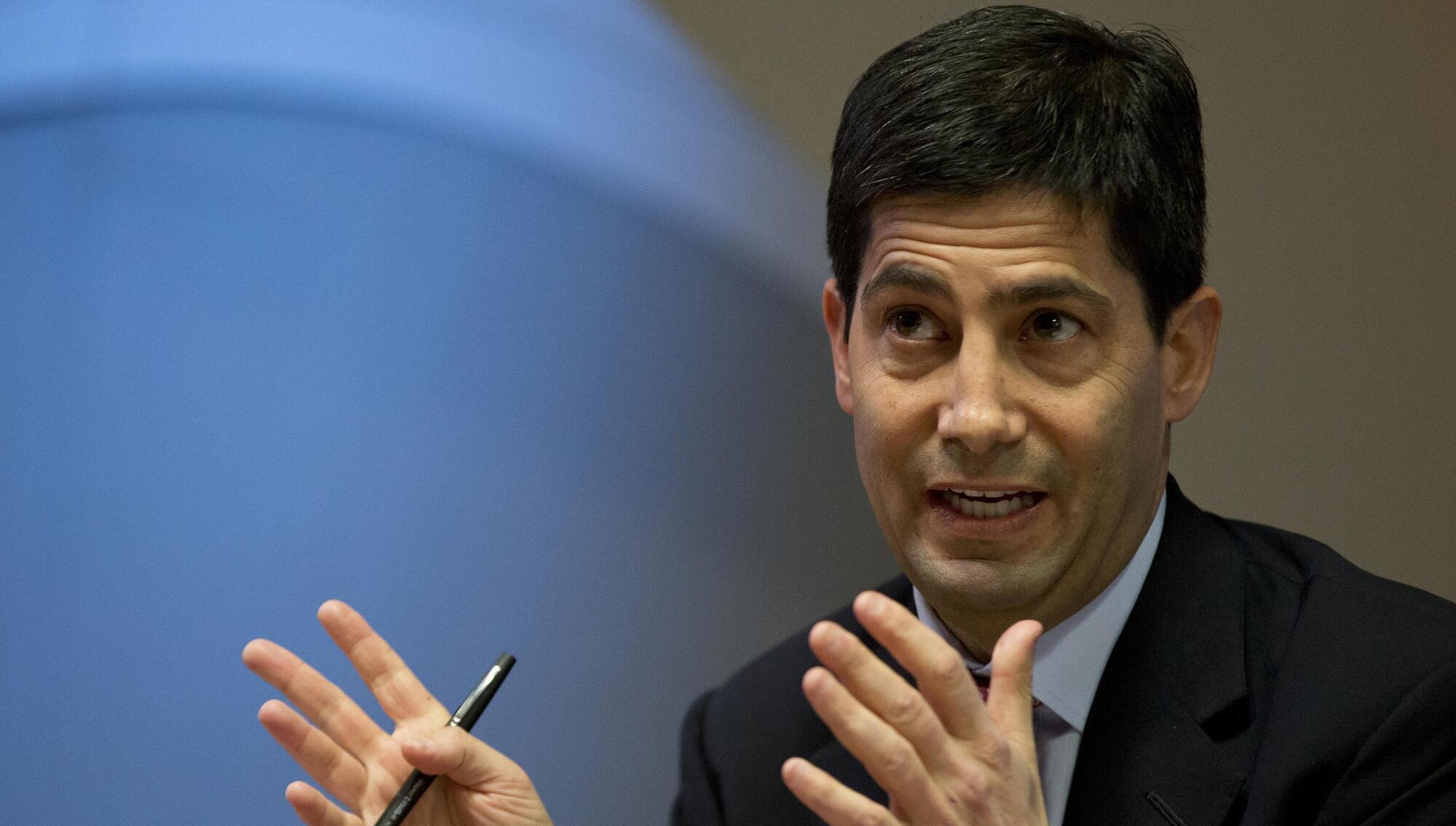
New Fed chair Kevin Warsh’s mantra of “less is more” and is a portend of his aim to return the Fed to its inflation and employment mandates. Picture: PA

New Fed chair Kevin Warsh’s mantra of “less is more” and is a portend of his aim to return the Fed to its inflation and employment mandates. Picture: PA

At last week’s US Fed and Bank of England meetings, both held rates steady, in contrast to the hike delivered by the ECB the prior week. The macro context for the US and UK rate decisions differed, but policymakers in each benefitted from the knowledge of a US-Iran deal which tentatively reopens the Strait of Hormuz and has seen energy prices plummet in recent days. 

While conjecture at this point, the ECB may have chosen a different path if it was aware of the extent of the deal and the market reaction.

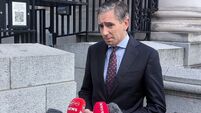
For the Fed, it held rates at 3.5%-3.75%. Notably, its policy statement was slimmed down to its lowest word count in nearly 20 years, bar some brief covid-era communications. This is in line with new Fed chair Kevin Warsh’s mantra of “less is more” and is a portend of his aim to return the Fed to its inflation and employment mandates. This was summed up in the statement’s concluding sentence: “The Committee will deliver price stability.”

Overall, nine members of the Federal Open Market Committee (FOMC) are pencilling in rate hikes this year, eight think policy will be left unchanged this year, while just one expects a cut. It should be noted though, that chair Warsh refrained from submitting any economic projections, an unusual step, and likely a tactic to play for time as he seeks to remake the Fed. 

Mr Warsh also announced a task force to investigate the workings of the Fed, as he seeks to overhaul its structures.

For the Bank of England, the June policy meeting of the Monetary Policy Committee saw the central bank leave bank rate unchanged at 3.75%. The decision to leave rates on hold was not unanimous, once again, with a split 7:2. Two members voted for a 25bps rate hike, citing concerns around rising inflation. On the inflation front, while views diverged, the majority of the BoE still view the risks of second-round inflation as relatively muted compared to the last price shock in 2022.

The statement emphasised two key factors: 

1) the labour market continues to loosen “gradually”, with wage growth slightly weaker than expected; 

2) already “material tightening” in financial conditions, with significant pass through of market rate rises to household and business lending pricing. The BoE now expects inflation to peak at 3.25% in Q4 2026, below the path expected in the April Monetary Policy Report.

Taken together, the higher starting point for the Fed and Bank of England in terms of rates gives both the space to react to evolving events in the Middle East; while the ECB, which had cut aggressively to 2%, likely viewed last week’s hike to 2.25% as a precautionary move to ward off inflationary risks. This may yet prove a policy error by the ECB, given the fragility of the Eurozone economy.

x

More in this section

Cookie Policy Privacy Policy Brand Safety FAQ Help Contact Us Terms and Conditions

© Examiner Echo Group Limited