Alan Healy: We're throwing away the cheap electricity — then paying to import the dear stuff
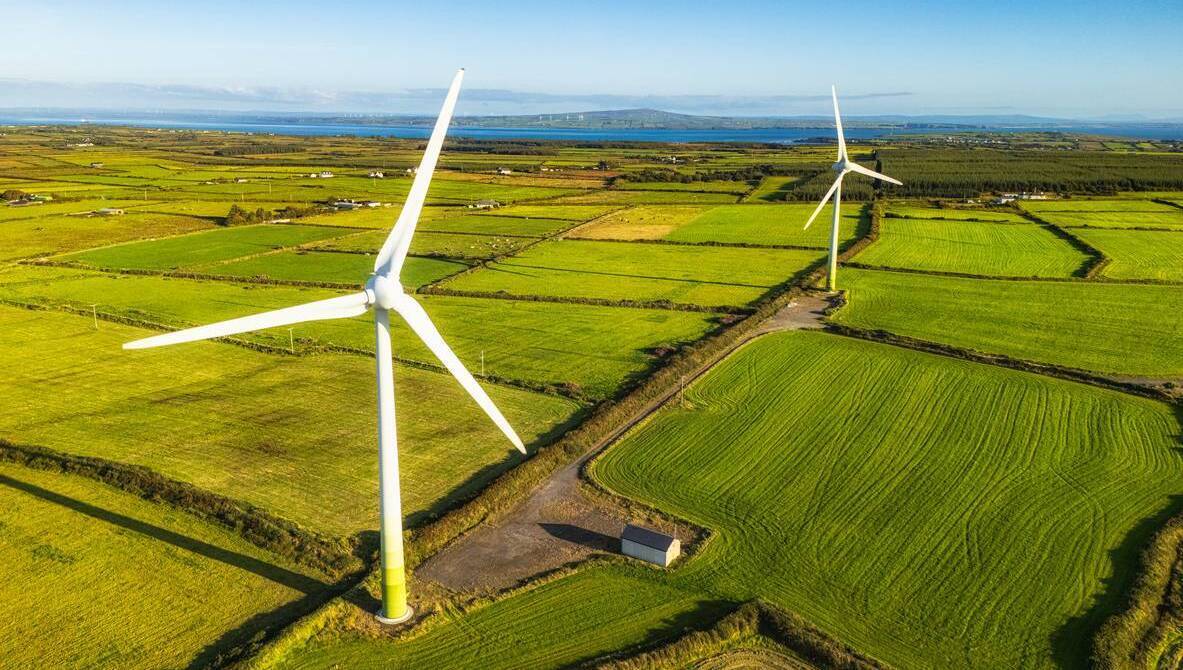
About 15% of the power produced by Irish wind farms was thrown away because the network was not strong enough to move it.
From October 1, the average Irish household electricity bill will rise by €41.25.
The Commission for Regulation of Utilities signed off on the increase late last month, and the reason given was perfectly reasonable. The money is needed by ESB Networks and EirGrid to upgrade the grid and "deliver critical new infrastructure to meet demand and will support renewable generation, offshore grid development, and improving security of supply and resilience".
Nowhere in that announcement does the word "Iran" appear. And yet this is, in its own roundabout way, another instalment on a war most of us have already filed away.
Back in the spring, the closure of the Strait of Hormuz, which carries roughly a fifth of the world's oil, sent Brent crude from about $70 a barrel before the conflict to more than $114 by early May.
The shock arrived at Irish forecourts almost immediately. Fuel prices spiked, and the first serious protests of the crisis saw farmers and hauliers blockade oil depots and refineries until filling stations ran dry.
From there, it worked its way through the system with grim predictability. The European Central Bank, watching inflation creep above 3%, raised interest rates for the first time in almost three years, instantly lifting repayments for more than 100,000 households on tracker mortgages.
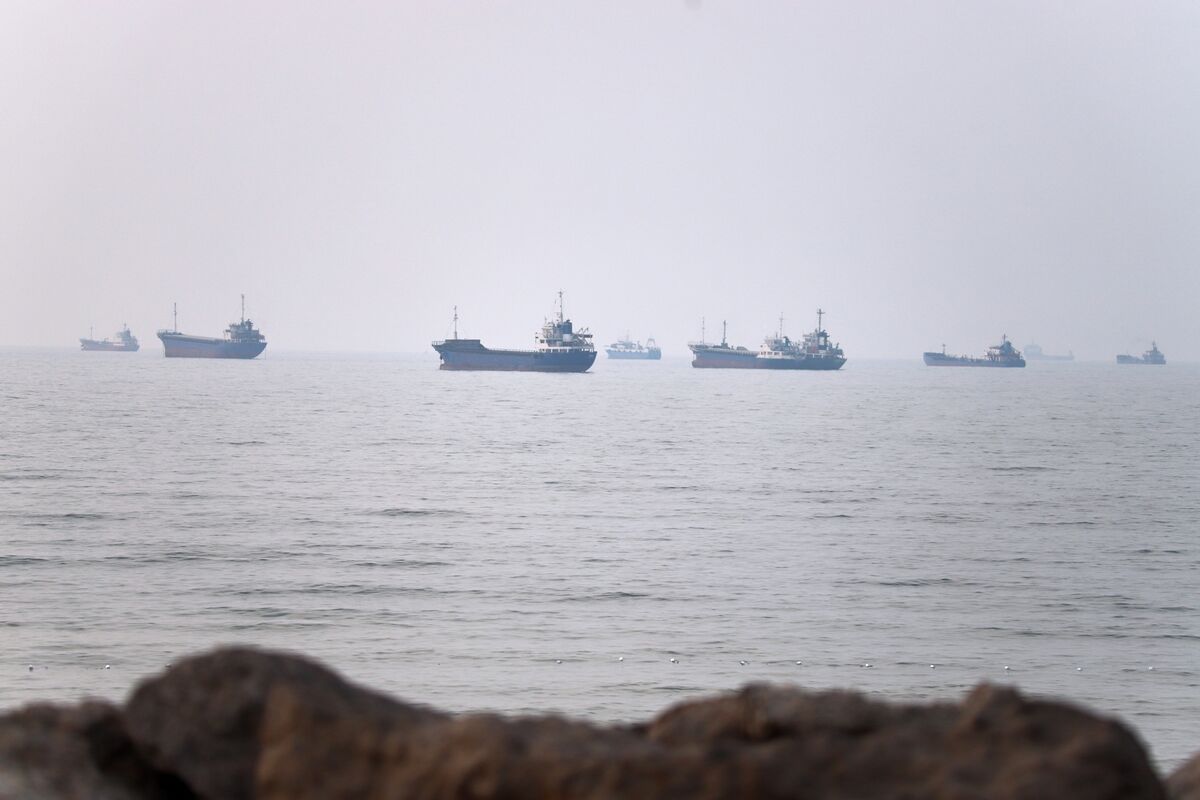
Wholesale electricity prices climbed more than 33% over the year to May, as the war in the Middle East throttled gas supplies. Energy fuels as a whole were up 37%.
Then, in the middle of June, it was apparently over. Washington and Tehran struck a deal. US president Donald Trump declared the strait would reopen and oil fell almost 5% in a day to a three-month low near $80. The front pages moved on, but the reality for households did not.
The Central Bank's forecast that inflation will hit 3.5% this year, with wage growth not expected to keep pace, means even if headline oil prices normalise, real disposable incomes keep getting quietly eroded.
AIB chief executive Colin Hunt caught the mood back in June when he cautioned against getting "overexcited" about oil easing off. "Every generation is condemned to deal with a black swan event," he said, "but we've had one every year" — Brexit, Ukraine, tariffs, and now Iran.
The trouble is that Ireland is unusually badly placed to absorb these swans. According to the Sustainable Energy Authority of Ireland, imports met more than 78% of the country's energy needs in 2025, well above the EU average of 57.3%. When a chokepoint closes 8,000km, we feel it faster, and for longer, than almost anyone else in the bloc.
There is also a bitter irony about the €41 increase coming into effect in October, which is needed to strengthen a grid that is unable to carry the cheap electricity we do generate.
In the first half of this year, according to Wind Energy Ireland's analysis of EirGrid data, approximately 15% of the power produced by Irish wind farms was thrown away because the network was not strong enough to move it.
That is enough electricity to power 667,000 homes, or every household in Dublin, Westmeath and Wicklow combined, lost not to a shortage but to a bottleneck.
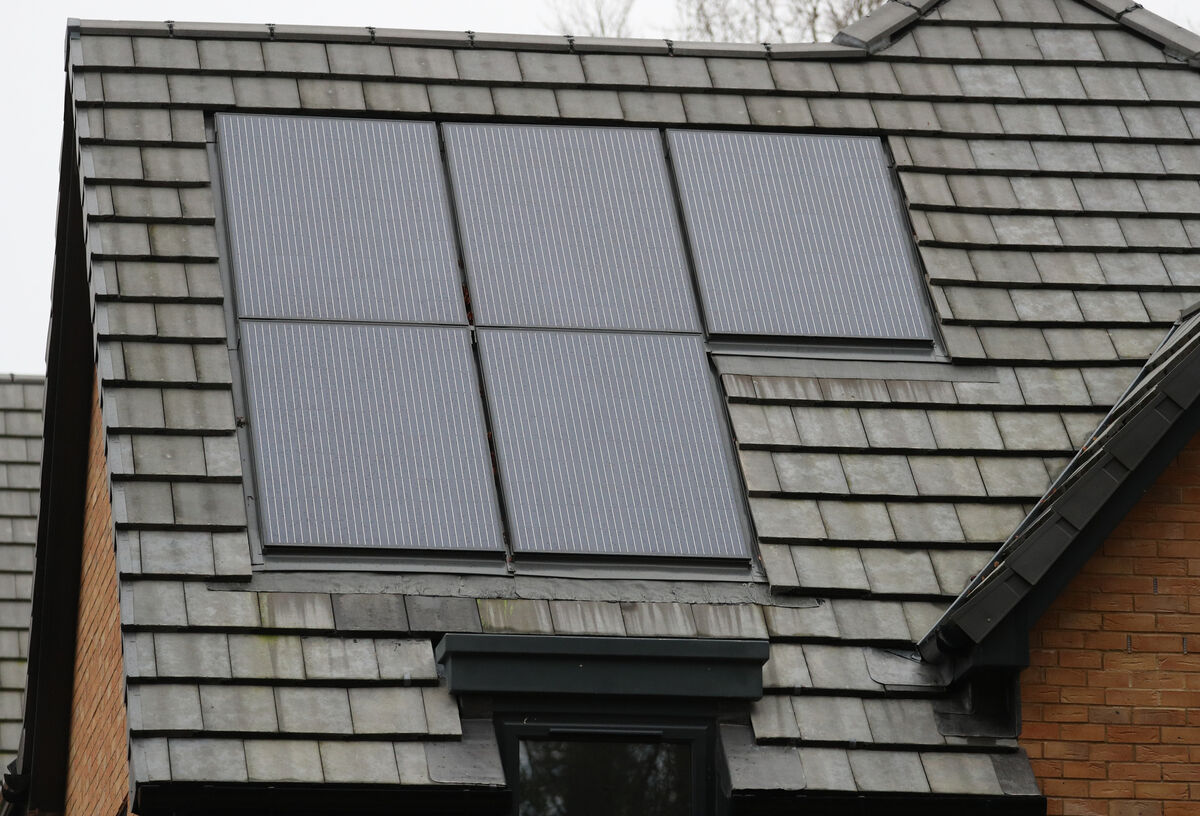
As a nation, we are trying to wean ourselves off imports. June delivered a record month for solar, with the technology meeting more than 8% of demand during the heatwave, and renewables of all kinds supplying 42% of the country's electricity. Connected solar capacity has jumped more than 50% in a year to 2.7GW. The direction of travel is right.
The news that fully electric cars are now more popular than any other vehicle type shows drivers, burned by surging prices at the pump, are eager to avail of cheaper mileage via the grid. However, there is even a sting in that tail.
The Irish Fiscal Advisory Council warned this summer that as motorists switch to EVs, the fuel taxes underpinning the exchequer will fade, and will have to be replaced by new charges such as congestion fees or per-kilometre road pricing. As one bill is retired, another is already being drafted, and households rarely get to simply pocket the saving.
So we are caught between two vulnerabilities. One was handed to us from 8,000km away, through a war we had no part in closed a strait and pushed up every bill in the country. The other we built ourselves, in a grid too weak to carry the cheap, clean power sitting right in front of us. The first we can do little about. The second is entirely within our gift.

CONNECT WITH US TODAY



Be the first to know the latest news and updates