David McNamara: ECB is fighting the last war on inflation
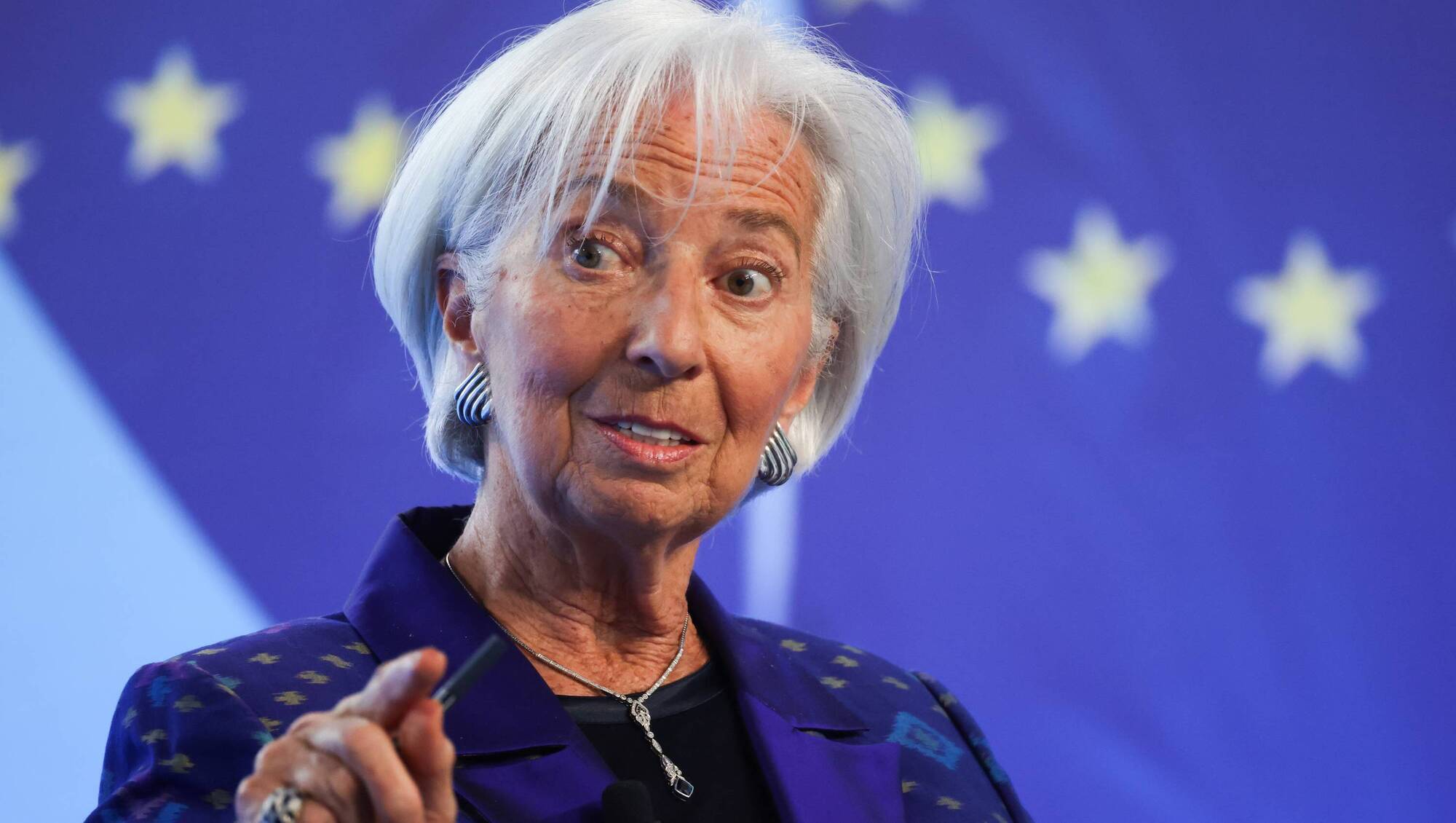
Christine Lagarde said the ECB was now seeing signs of 'broadening' price pressures. Picture: Alex Kraus/Bloomberg

Amid the most recent surge in energy prices following the outbreak of the war in the Middle East, eurozone headline inflation has risen sharply.
It printed at 3.2% in May, its highest level since September 2023 and up from just 1.7% at the start of the year. Perhaps unsurprisingly, then, the ECB hiked rates by 25bps last week, bringing the deposit rate up to 2.25%. The outcome was in line with market expectations.
However, the announcement of a peace deal between the US and Iran, alongside still muted core inflationary pressures beyond energy prices, raises the risk the ECB has made an error in hiking rates too soon.
In terms of the outlook for headline inflation, the June forecasts contained upward revisions. The ECB now expects inflation to average 3% this year, 2.3% next year. Meanwhile, core inflation is forecast to run above the 2% target, averaging 2.5% this year and next.
In terms of growth, the ECB revised lower its baseline GDP projections by 0.1% per annum, to 0.8% in 2026 and to 1.2% in 2027. This suggests a rather benign impact on activity.
Read More
The ECB also provided a slew of alternative macro scenarios. This included two downsides, “adverse” and “severe”, and an upside, “milder”, scenario. In the worst-case scenario, growth slows to 0.5% this year and to 0.4% in 2027, with inflation averaging 4.0% and 5.3%.
Meanwhile, in the “milder” scenario, growth would be 0.9% this year and 1.3% next year, as inflation averages 2.6% and 2.0%, respectively.
Crucially, ECB president Christine Lagarde said the decision to hike rates was “robust” across the scenarios. In other words, even if the upside scenario transpired, policy tightening would still be appropriate.
The ECB has made two major policy errors in recent history. In 2011, the ECB hiked rates twice in April and July, amid concerns regarding price stability, before having to reverse course by cutting rates twice before the year was out as the economy weakened.
The ill-judged hikes were the last until July 2022, when the ECB was late to react to a post-covid surge in inflation, exacerbated by the war in Ukraine.
However, Ms Lagarde said the ECB was now seeing signs of “broadening” price pressures, although it was also acknowledged inflation expectations remain anchored. Taken altogether, this begs the question: is there a risk the ECB could repeat the mistakes of the past, and find itself fighting the last war once again?
- David McNamara is chief economist at AIB