US Supreme Court ruling blocks lawsuits against maker of Roundup weedkiller
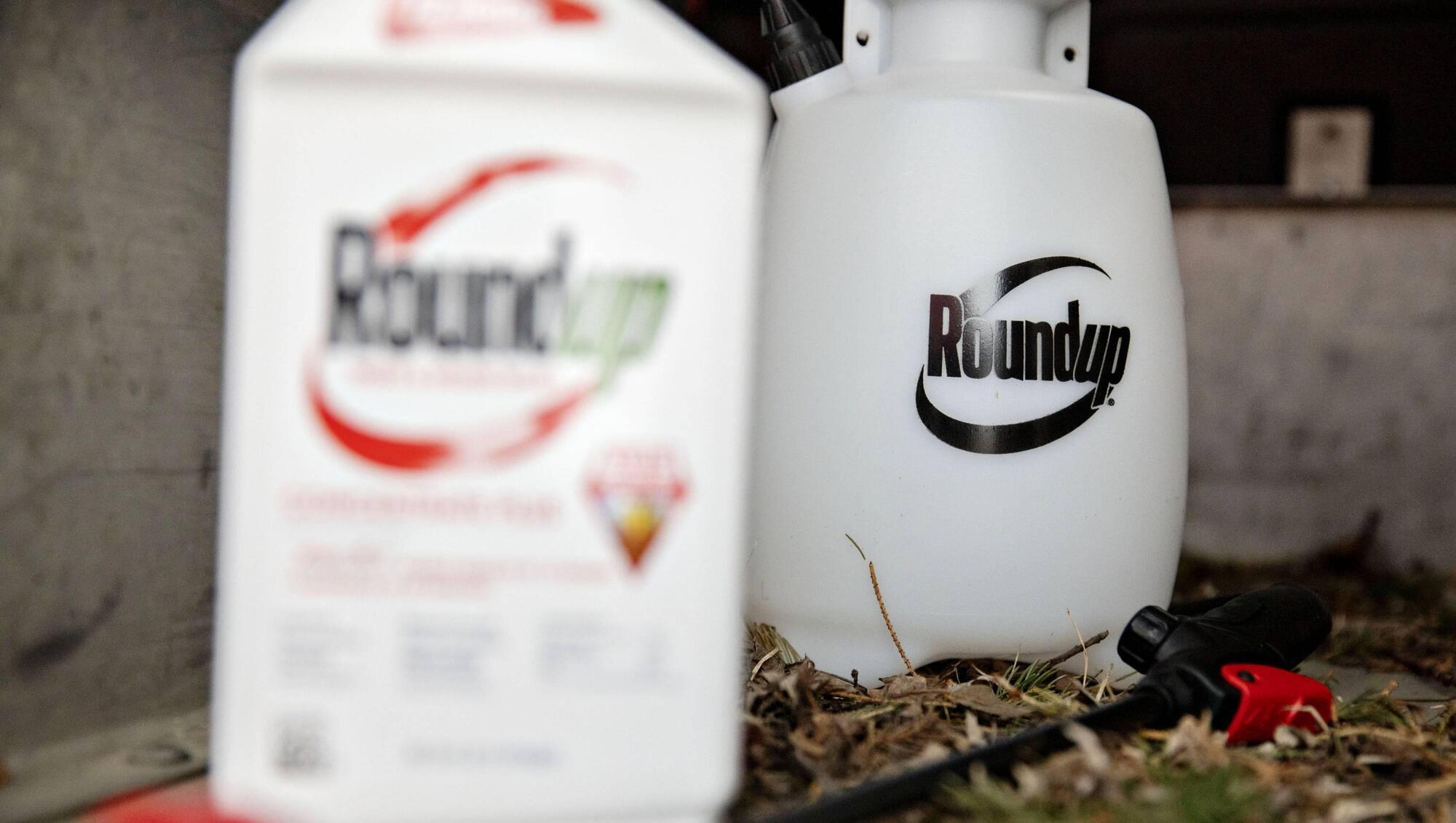
There is still fierce debate about cancer and Roundup’s key ingredient, glyphosate.
The US Supreme Court sided with the maker of Roundup weedkiller on Thursday in a ruling expected to block thousands of lawsuits alleging it failed to warn people the product could cause cancer.
The case came before the justices after a tidal wave of litigation that included some multibillion-dollar verdicts against the global agrochemical manufacturer Bayer.
Bayer acquired Roundup when it bought its original manufacturer Monsanto in 2018.
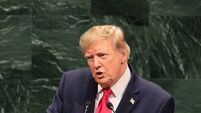
The decision is a victory for the Donald Trump administration, but one that could be tricky politically since allies in the Make America Healthy Again movement want to rein in pesticide use.
Read More
The high court found that the company cannot be sued in state courts because federal regulations have found a cancer link unlikely.
The case before the court was filed by Missouri resident John Durnell.
He developed a cancer called non-Hodgkin’s lymphoma after more than 20 years as the neighbourhood association’s “spray guy”, using Roundup on parks in his historic St Louis community.
A jury agreed that the company failed to warn him about possible cancer dangers and awarded him $1.25m.
It is one of thousands of similar cases, including some multibillion-dollar damage awards.
There is still fierce debate about cancer and Roundup’s key ingredient, glyphosate.
The World Health Organisation’s International Agency for Research on Cancer classified the chemical as “probably carcinogenic” in 2015.
The Environmental Protection Agency has determined that it is not likely to cause cancer in humans when used as directed.
The agency approved a label without a cancer warning, and Bayer argues that it is required to follow those federal standards, not the state laws under which Durnell and others have sued.
The ruling could allow other suits alleging problems with the way the product was designed, his lawyer Ashley Keller has said.
Bayer disputes the cancer claims but previously set aside $16bn to settle cases, and earlier this year proposed a $7.25bn class-action settlement to resolve many of the remaining claims.
A federal judge recently ruled that the proposed settlement will be heard in a Missouri state court, where many of the lawsuits have been filed.
At the same time, the company has tried to persuade states to pass laws shielding it from liability in failure-to-warn lawsuits, and three states have agreed.
About 200,000 Roundup-related claims have been made against Bayer, mostly from home users.
It has stopped using glyphosate in Roundup sold in the US residential lawn and garden market.
The company has said it might have to consider pulling glyphosate from US agricultural markets if it keeps being sued.
Agricultural industry groups say that could have a devastating effect on the food supply.
But pesticides have also created a rift between the Trump administration and members of health secretary Robert F Kennedy’s MAHA movement, adding to their frustration with an executive order aimed at boosting glyphosate’s production.
Kennedy himself has said repeatedly that glyphosate causes cancer, even as he says he recognises the executive order was necessary for food supply and national security reasons.

CONNECT WITH US TODAY



Be the first to know the latest news and updates