Donald Trump's executive order saves glyphosate production as Bayer weighs exit
US president said it is a national security issue, because if Bayer stops making glyphosate, American farmers would become dependent on Chinese imports
Donald Trump's executive order saves glyphosate production as Bayer weighs exit

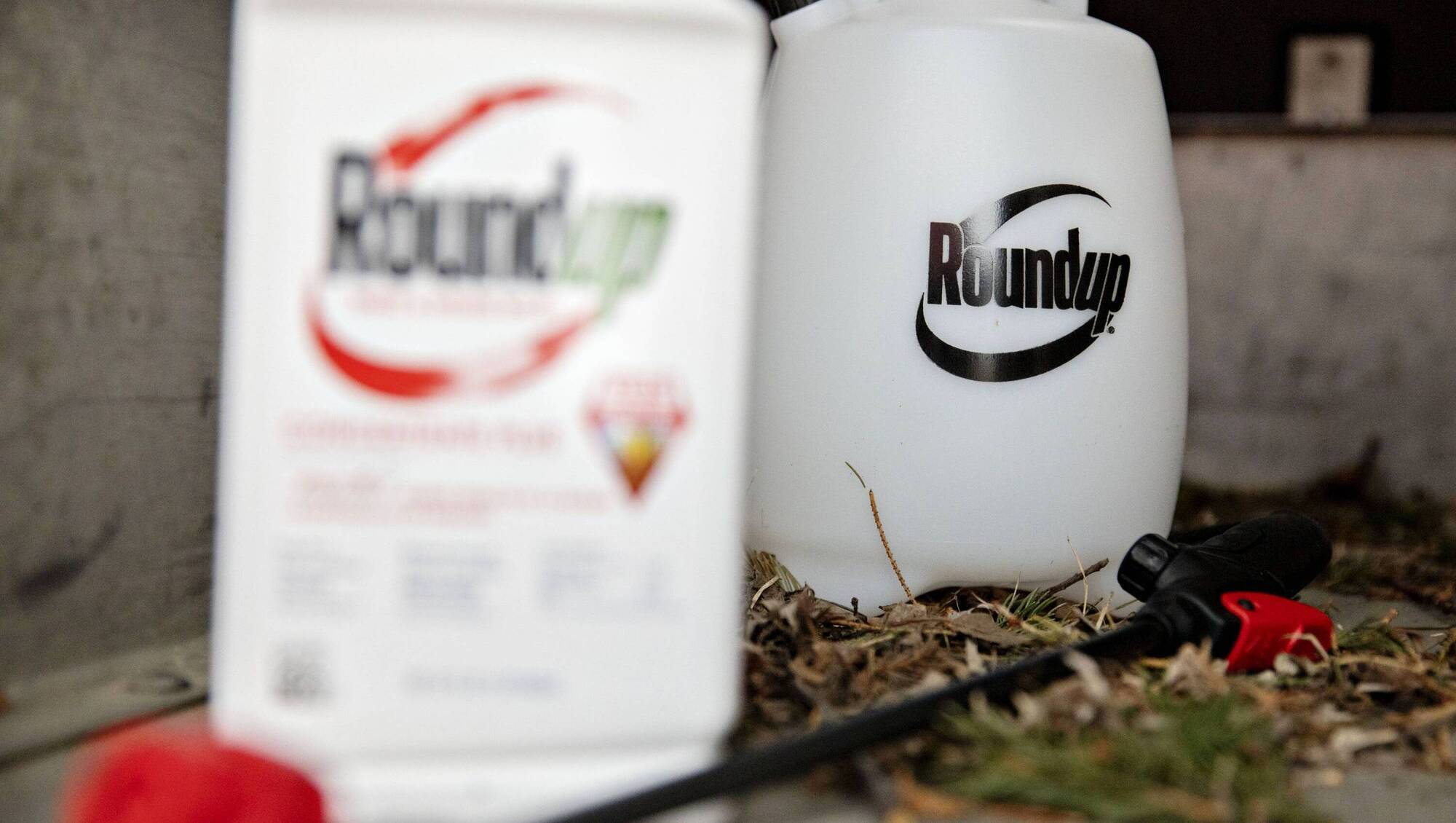
It’s a U-turn for Trump's administration, in which health secretary Robert F Kennedy Junior’s Make America Healthy Again movement had branded glyphosate, better known as Roundup, as a carcinogen. File picture

Donald Trump has come to the aid of glyphosate manufacturer Bayer, and millions of farmers who use the herbicide, which many know better by the Roundup trade name.

The company had considered shutting its factories, which make about 40% of the global supply of glyphosate. But that’s no longer likely, after the US president’s executive order promoting the production of glyphosate.


The US president said it is a national security issue, because if Bayer stops making glyphosate, too many American farmers would become dependent on generic versions of the product imported from China.

His executive order could also be interpreted as a move to win votes within the agriculture and pharma industries in November’s mid-term elections, which will shape the president’s influence for the remainder of his term.

It’s a U-turn for his administration, in which health secretary Robert F Kennedy Junior’s Make America Healthy Again movement had branded glyphosate as a carcinogen.

But Kennedy has now defended Trump’s order to boost glyphosate production in the name of national security.

Monsanto, the glyphosate subsidiary of Bayer, also welcomed Trump’s order and said it will comply by producing glyphosate, and elemental phosphorus (a key component of glyphosate, and used in many other industrial and defence-related applications). 

Elemental phosphorus is designated by the USA’s Department of the Interior as a scarce material.

Roundup weedkiller lawsuits

President Trump’s intervention came as Bayer and its Monsanto subsidiary contemplated a glyphosate/Roundup exit, after legal payouts neared $18bn to people who said they were sickened by the world’s most widely used weedkiller.

There were only about 120 glyphosate-related health claims, when Bayer announced the $63bn acquisition of glyphosate-maker Monsanto in 2018. Weeks later, Bayer lost the first Roundup case that went to trial, and its share price plunged.

More and more claims followed, with Bayer even looking at controversial bankruptcy options to contain Roundup litigation.

Bayer still faces more than 60,000 outstanding claims from US plaintiffs who say the chemical caused their cancers. Meanwhile, weeds have started to become resistant to the spray.

Bayer’s share price has fallen more than 70% since the Monsanto acquisition.

With the product’s patent protection gone 25 years ago, making it less profitable for Bayer, the Germany-headquartered company faced having to give up making glyphosate.

But it still accounts for about 12% of Bayer’s crop division’s $30bn annual revenue, and much of the company’s seeds of maize, soybean, and other crops are genetically modified for farmers using glyphosate.

At least $5bn worth of the chemical is estimated to be sprayed each year.

More in this section

Farming

Newsletter

Keep up-to-date with all the latest developments in Farming with our weekly newsletter.

Cookie Policy Privacy Policy Brand Safety FAQ Help Contact Us Terms and Conditions

© Examiner Echo Group Limited