More than 120 people died in Tokyo from heatstroke in July
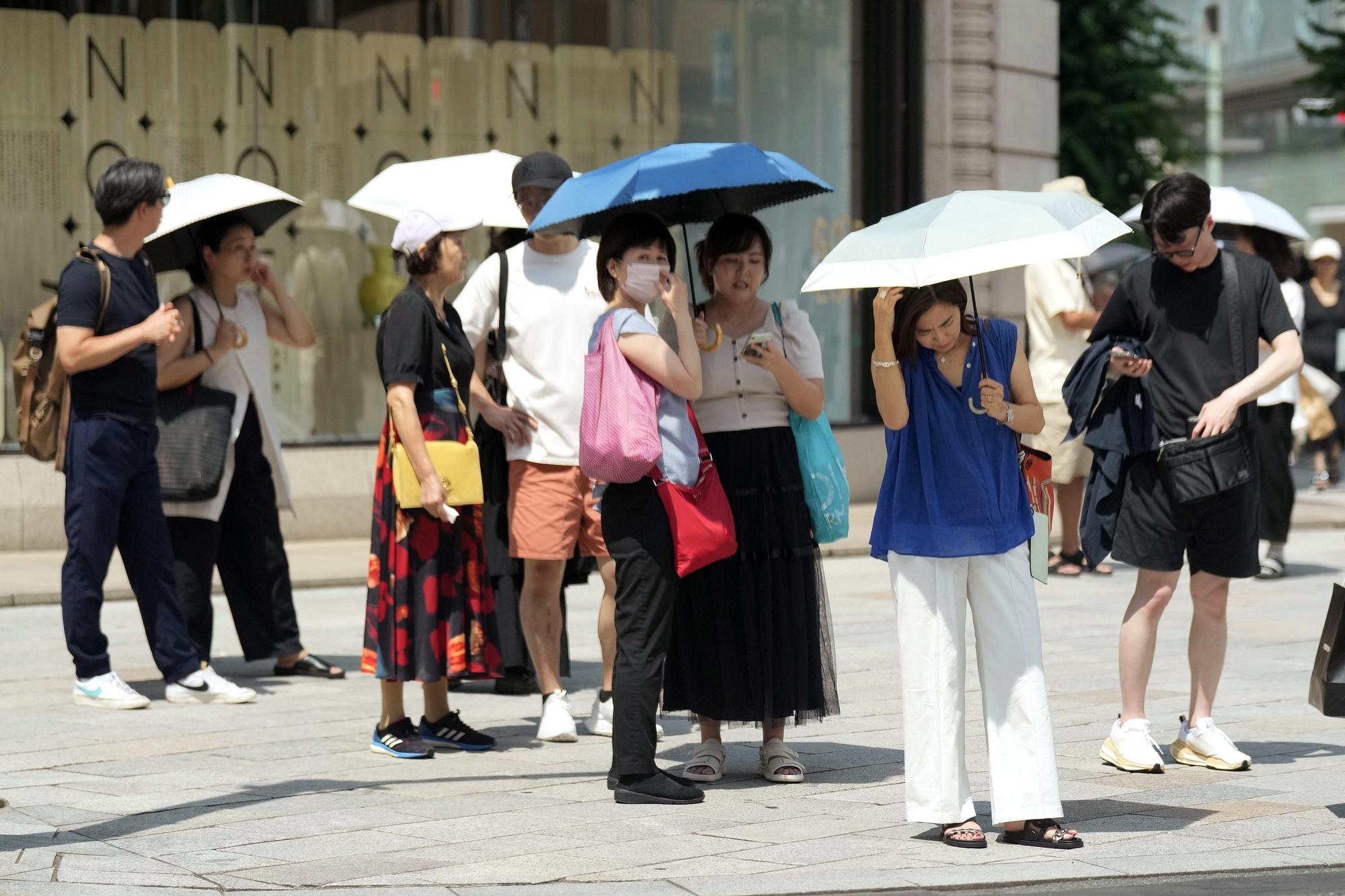
More than 120 people died of heatstroke in the Tokyo metropolitan area in July, when the nationâs average temperature hit record highs and heat warnings were in effect for much of the month, Japanese authorities have said.
According to the Tokyo Medical Examinerâs Office, many of the 123 people who died were elderly.
All but two were found dead indoors, and most were not using air conditioners despite having them installed.
Japanese health authorities and weather forecasters repeatedly advised people to stay indoors, consume ample liquids to avoid dehydration and use air conditioning, because elderly people often think that air conditioning is not good for oneâs health and tend to avoid using it.
It was the largest number of heatstroke deaths in Tokyoâs 23 metropolitan districts in July since 127 deaths were recorded during a 2018 heatwave, the medical examinerâs office said.
More than 37,000 people were treated at hospitals for heatstroke across Japan from July 1 to July 28, according to the Fire and Disaster Management Agency.
The average temperature in July was 2.16 degrees Celsius (3.89 degrees Fahrenheit) higher than the average over the past 30 years, making it the hottest July since the Japan Meteorological Agency began keeping records in 1898.
On Tuesday, heatstroke warnings were in place in much of Tokyo and western Japan.
The temperature rose to about 34C (93F) in downtown Tokyo, where many people carried parasols or held fans.
âI feel every year the hot period is getting longer,â said Hidehiro Takano from Kyoto.
âI have the aircon on all the time, including while Iâm sleeping. I try not to go outside.â
Maxime Picavet, a French tourist, showed a portable fan he bought in Tokyo.
âIt works very, very well,â he said. âWith this temperature, itâs a necessity.â
The meteorological agency predicted more heat in August, with temperatures of 35C (95F) or higher.
âPlease pay attention to temperature forecasts and heatstroke alerts and take adequate precautions to prevent heatstroke,â it said in a statement.
CLIMATE & SUSTAINABILITY HUB