Japan votes in shadow of assassination of former PM Shinzo Abe
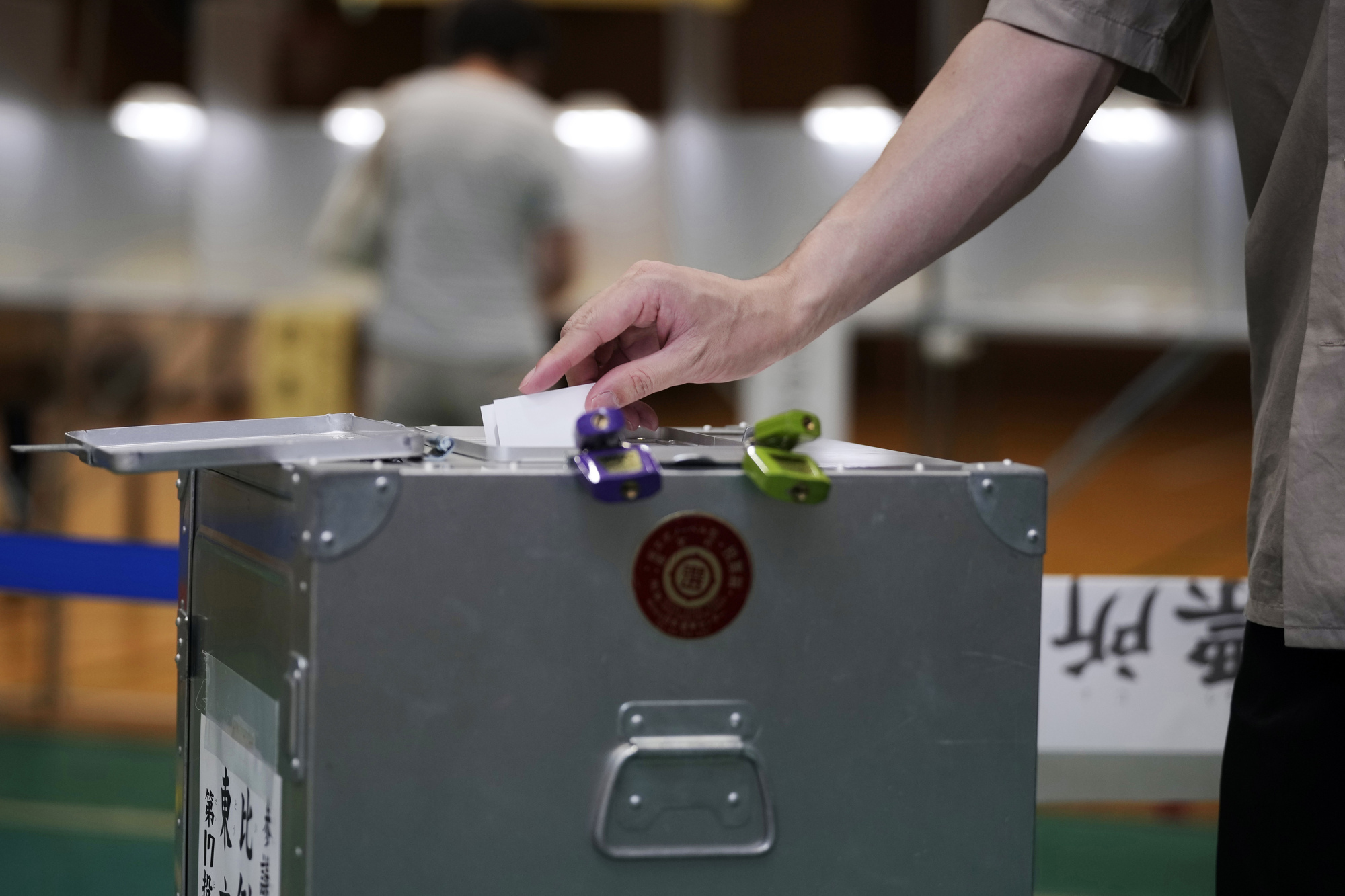
Japanese are at the polls in the shadow of the assassination of former prime minister Shinzo Abe, who was gunned down while making a campaign speech for the governing party on course for a major victory.
Amid voting on Sunday, police in western Japan sent the alleged assassin to a local prosecutors’ office for further investigation towards pressing murder charges.
In a country still recovering from the shock, sadness and fear of Mr Abe’s shooting – the first former or serving leader to be assassinated in post-war Japan – polling started for half of the upper house, the less powerful of the two-chamber parliament.
Mr Abe was shot in Nara on Friday. He was airlifted to hospital but he later died of blood loss.

Police arrested a former member of Japan’s navy at the scene, confiscating his homemade gun and several others they later found at his home.
The alleged attacker, Tetsuya Yamagami, told investigators he acted because of Mr Abe’s rumoured connection to an organisation that he resented, police said, but had no problem with the former leader’s political view.
The man had developed a hatred towards a religious group that his mother was obsessed about and that bankrupted a family business, according to media reports.
Mr Abe’s body, in a black hearse accompanied by his wife Akie, returned to his home in Tokyo’s upscale residential area of Shibuya on Saturday, where many mourners, including Prime Minister Fumio Kishida, their predecessors and top party officials, paid tribute. His wake and funeral are expected in the coming days.

Nara prefectural police chief Tomoaki Onizuka on Saturday said that Mr Abe’s assassination is his “greatest regret” in his 27-year career. He said problems with security are undeniable and he will review the guarding procedures.
Some observers who watched videos of the attack noted a lack of attention by security officers to the open space behind Mr Abe as he spoke.
Experts also said Mr Abe was more vulnerable standing at ground level instead of on top of a campaign vehicle, a standard for premier-class politicians, but that option was reportedly unavailable due to his hastily arranged visit to Nara.
Mitsuru Fukuda, a crisis management professor at Nihon University, said election campaigns provide a chance for voters and politicians to interact because “political terrorism” is extremely rare in post-war Japan.
It is a key democratic process, but Mr Abe’s assassination could prompt stricter security at crowded events like campaigns, sporting events and others.

On Saturday, when party leaders went out for their final appeals under heightened security, there were no more fist-touches – a Covid-era alternative to handshakes – or other close-proximity friendly gestures they used to enjoy.
After the assassination, Sunday’s election had a new meaning, with all political leaders emphasising the importance of free speech and their pledge not to back down to violence against democracy.
In his final rally in the northern city of Niigata on Saturday amid tightened security, Mr Kishida said: “We absolutely refuse to let violence shut out free speech.
“We must demonstrate that our democracy and election will not back down to violence.”
While media surveys have predicted a major victory for the governing Liberal Democratic Party amid fractured and weak opposition, a wave of sympathy votes due to Mr Abe’s assassination could bring a bigger victory than Mr Kishida’s modest goal of winning the house majority.
CONNECT WITH US TODAY



Be the first to know the latest news and updates