White House says Donald Trump has signed bill imposing sanctions on Russia
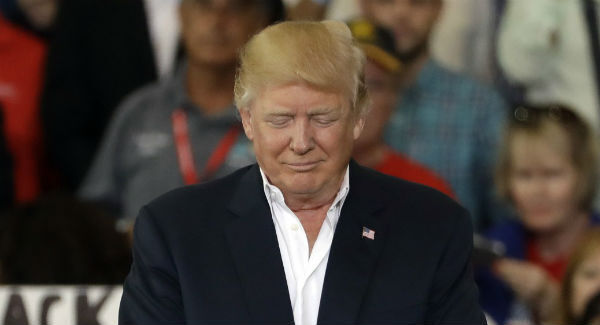
US President Donald Trump has signed a bill imposing new sanctions on Russia, conceding under pressure from his own party that a warmer relationship with Moscow was not in the country's best interests.
The legislation is aimed at punishing Moscow for interfering in the 2016 US presidential election and for its military aggression in Ukraine and Syria, where the Kremlin has backed President Bashar Assad.
It also imposes financial sanctions against Iran and North Korea.
Moscow responded to a White House announcement last week that Mr Trump intended to sign the bill, ordering a reduction in the number of US diplomats in Russia.
The House of Representatives overwhelmingly backed the bill, 419-3, and the Senate rapidly followed their lead with a 98-2 vote.
Those overwhelming margins guaranteed that Congress would be able to beat back any attempt by Mr Trump to reject the measure.
Provisions backed by Republicans and Democrats that would handcuff Mr Trump on the Russia sanctions resulted from politicians' worries that he may ease the financial hits without first securing concessions from Russian President Vladimir Putin.
Republicans refused to budge even after the White House complained that the "congressional review" infringed on Mr Trump's executive authority.
Faced with the embarrassing possibility of being overruled by Mr Trump's own party, the White House announced late on Friday that he "approves the bill and intends to sign it".
The proposed measures target Russia's energy sector as part of legislation that prevents Mr Trump from easing sanctions on Moscow without congressional approval.
Two White House officials said that the president signed the bill on Wednesday morning.
Mr Trump said the bill is "seriously flawed" because it hinders his ability to negotiate.
In a statement, the president confirmed he had signed the bill, which imposes tough measures to "punish and deter bad behaviour by the rogue regimes in Tehran and Pyongyang" and enhances existing sanctions on Moscow.
But he said "the bill remains seriously flawed - particularly because it encroaches on the executive branch's authority to negotiate".
Mr Trump added that "by limiting the Executive's flexibility, this bill makes it harder for the United States to strike good deals for the American people, and will drive China, Russia, and North Korea much closer together".
But he said he signed the bill "for the sake of national unity".
CONNECT WITH US TODAY



Be the first to know the latest news and updates