Cameron vows to win back voters after Ukip clean up in elections
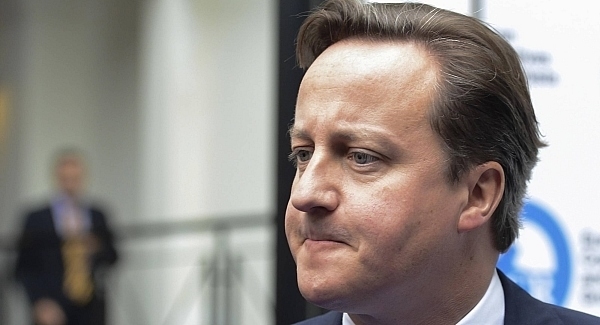
David Cameron today pledged to “work really hard” to win back voters who abandoned the Conservatives for the Ukip as Nigel Farage’s party made a series of stunning gains in the council elections.
The UK Independence Party leader claimed a “sea change” in British politics as they gained 131 council seats – far more than predicted – while securing second place in the South Shields parliamentary by-election.
Having previously derided Ukip as “fruitcakes, loonies and closet racists”, the Prime Minister adopted a notably more emollient tone, promising to show “respect” for those who voted for them.
However he immediately came under pressure from Tory right-wingers to firm up his commitment to a referendum on Britain’s EU membership in a bid to counter their appeal.
A BBC projection gave Ukip a 23% share of the national vote, just behind the Tories on 25% with Labour ahead on 29% with the Lib Dems trailing in fourth place on 14%.
A jubilant Mr Farage – whose party was dismissed as “clowns” by Tory Cabinet veteran Kenneth Clarke – could not resist taunting his rivals, declaring: “Send in the clowns!”
He said Ukip now had “every chance” of winning a Commons seat at the next by-election in a marginal constituency – possibly Portsmouth South if beleaguered Lib Dem Mike Hancock is forced to stand down.
He said: “We have been abused by everybody, the entire establishment, and now they are shocked and stunned that we are getting over 25% of the vote everywhere we stand across the country.
“This is a real sea-change in British politics.”
The biggest losers were the Conservatives who lost 340 councillors and the control of ten councils, including Mr Cameron’s home county of Oxfordshire, with Labour even taking a seat in his Witney constituency, and Nottinghamshire which went straight to Labour control.
The Prime Minister said he understood why voters had turned away from the Conservatives, and promised action to turn round the economy, cut immigration and sort out the welfare system.
Asked if he stood by his “fruitcakes” jibe at Ukip, Mr Cameron said: “It is no good insulting a political party that people have chosen to vote for. We need to show respect for people who have taken the choice to support this party and we are going to work really hard to win them back.”
Tory backbencher John Baron, who has written to the PM urging him to legislate in this Parliament for a referendum on EU membership after the election, said that the party leadership must now learn from its “errors” in handling the Ukip threat.
He said: “Our commitment to an EU referendum needs to be believable. Why, then, bother voting Ukip?”
Tory former Cabinet minister John Redwood said the results showed that voters, like Conservative MPs, “want faster progress on the new relationship with the EU”.
Education Secretary Michael Gove, meanwhile, moved to quell any talk of a leadership challenge, dismissing the idea as “bonkeroony”.
Mr Cameron said the surge in support for Ukip had “major lessons” for all the main parties, with the Tories arguing that Labour had not made the gains it needed if Ed Miliband was to enter No 10.
The Labour leader said the party made “good gains” but acknowledged there was “more work to do”.
“This is reflected in the vote for Ukip and the two thirds of people who didn’t vote,” he said.
“These elections show many people have lost trust in David Cameron’s ability to change Britain. But our task is to win the trust of the people we haven’t yet persuaded that Labour can make the difference.”
The party gained 268 councillors and took control of two councils - Nottinghamshire and Derbyshire. It also won the mayoral elections in Doncaster and North Tyneside and held South Shields in the parliamentary by-election.
It was a grim day for the Lib Dems who lost 110 councillors while being beaten into a humiliating seventh place in South Shields behind the BNP and only marginally ahead of the Monster Raving Loony Party.
Deputy Prime Minister Nick Clegg said the results reflected the Lib Dems’ journey from “a party of protest to a party of government”.
“I have always said it is understandable why it is that people might be attracted to the simple answers that the UK Independence Party is offering to deal with this country’s complex problems,” he said.
“But I do not think they do have the answers to the dilemmas we face as a country. I believe that the Liberal Democrats do.”