Bush banks on home initiatives to offset Iraq effect
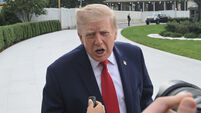
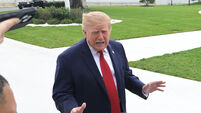
US president George Bush is hoping to take the sting out of the impending criticism of his Iraq policy with a high-profile invitation to co-operate on vexing domestic problems when he delivers his first State of the Union address to a Democratic-controlled Congress.
In the speech before a joint session of Congress, early tomorrow morning Irish time, Bush plans to dangle ideas, some new, some recycled, on reducing the US' energy dependence and making healthcare more available.
Aware that 2008 presidential contenders and new Democratic leaders present fierce competition for headlines, the president has a much-abbreviated topic list in an attempt to hold the public’s attention.
In the days ahead of the 9pm US time speech, the White House took great pains to detail its healthcare ideas. The cold reception they received on Capitol Hill offered a striking reminder of the difficulty the president faces in the new political climate.
Bush is proposing to change how the tax code treats health insurance by counting employer contributions towards health insurance as taxable income while establishing a standard deduction for anyone with insurance.
The White House says it would introduce increased market forces to the healthcare industry and make coverage more affordable for the uninsured. Aides estimated the plan would represent a tax increase for only about 20% of employer-covered workers.
Democratic Representative Pete Stark, the chairman of a key health sub-committee in the House of Representatives, said he would not consider even holding hearings on the proposal. He dismissed it as a dead-on-arrival attempt to encourage employers to stop offering health insurance.
The US does not have a national healthcare system. Most people who have health-insurance coverage receive it as a job benefit. The poor and elderly can turn to state welfare programmes for assistance.
Bush’s overall agenda for the speech is twofold: to present himself to the public as a leader with a sincere desire to work across party lines on practical solutions and to place pressure on Democratic leaders to either go along with him or devise their own alternatives.
“The presidential season is already upon us. I am personally very sceptical that they will make major progress,” said Peter Robinson, a former White House speechwriter for Ronald Reagan. “But they must make the attempt. They must make a good-faith effort.”
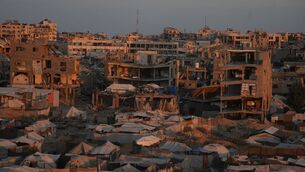
There is no escaping Iraq’s giant shadow.
Bush is not expected to rehash the much-hyped speech he gave less than two weeks ago laying out his revamped war plan, the centrepiece of which is a 21,500-soldier increase in the US military presence in Iraq.
Instead, he will broadly defend his stance that Iraq is part of a war on terror that will make Americans safer.
On Capitol Hill, the push-back from congressional Republicans to the troop increase grew even more on the eve of the president’s speech.
Three Republican senators and one moderate Democrat unveiled non-binding legislation yesterday, expressing disagreement with Bush’s plan and urging him to consider “all options and alternatives”.
In the House, members of the Republican leadership drafted a series of what they called “strategic benchmarks” and said the White House should submit monthly reports to Congress measuring the Iraqi government’s progress in meeting them.
Meanwhile, majority Democrats intend to hold votes within days in the House and Senate on tougher bills declaring that the troop increase is “not in the national interest”.
CONNECT WITH US TODAY



Be the first to know the latest news and updates