‘Twerk’ among new dictionary entries
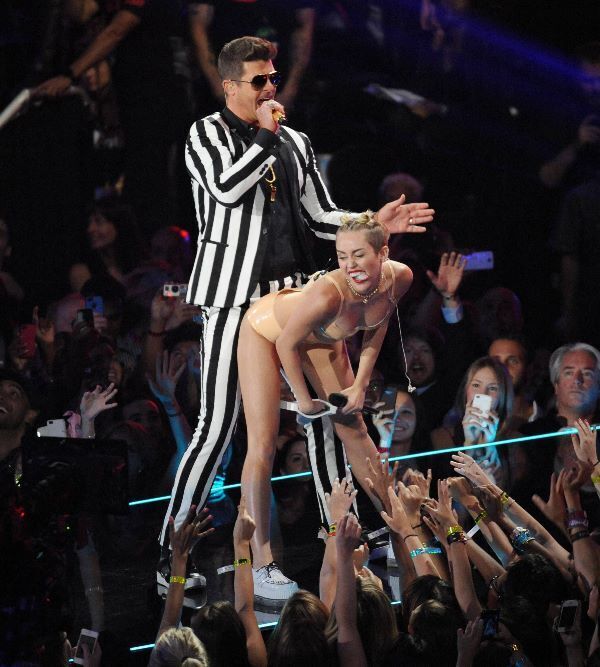
The word is one of 500 new entries, including “twitterati” (describing users of the social media service), and “fo’ shizzle” (meaning “for sure”), added to the dictionary.
The Oxford English Dictionary records the meaning and development of the English language. For a word to qualify, it must have been in popular use for at least 10 years in both novels and newspapers.
Twerking, which the dictionary describes as dancing “in a sexually provocative manner, using thrusting movements of the bottom and hips while in a low, squatting stance”, has its roots in the early 1990s New Orleans “bounce” music scene.
But research by the Oxford English Dictionary found it was first used as a noun in 1820, spelt “twirk”, to refer to a “twisting or jerking movement” or “twitch”.
The verb is believed to have emerged later in 1848, and the “twerk” spelling was popularly used by 1901.
Whilst the exact origin of the word is uncertain, it may be a blend of the words twist or twitch, and jerk.
Fiona McPherson, senior editor of Oxford English Dictionary, said: “We are confident that it is from the same origins as the dance. There has been constant use up into the present day to mean that same thing.
“I think it’s quite spectacular, the early origins for it.
CONNECT WITH US TODAY



Be the first to know the latest news and updates