Iran condemns US strikes as show of ‘bad faith’ and warns of consequences
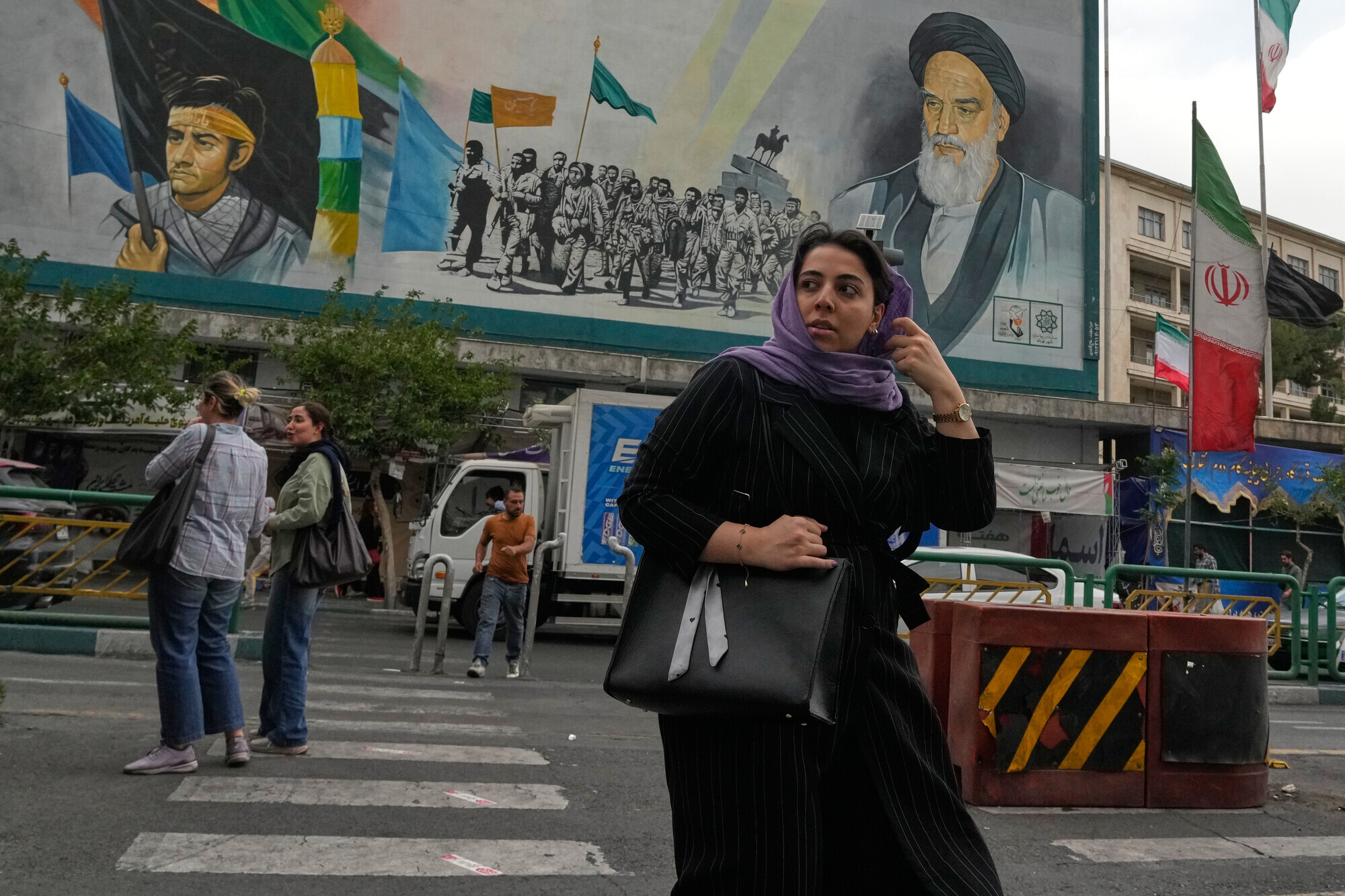
Iran has denounced US strikes as a sign of “bad faith and unreliability” as negotiations continue towards a possible deal to end the war.
The US military characterised Monday’s strikes in southern Iran as defensive, saying targets included missile launch sites and boats placing mines, and said the US acted with “restraint” in light of the weeks-long ceasefire.
Iran’s foreign ministry called the strikes a ceasefire violation and warned that Washington would bear responsibility for “all consequences”, without details.

“The Islamic Republic of Iran will leave no act of aggression unanswered,” it added in a statement.
Iran’s Revolutionary Guard on Tuesday said it had shot down and deterred drones and a fighter jet that entered its airspace, according to Iran’s official Mizan news agency, which did not specify when the incident occurred.
It was not immediately clear what the developments would mean for negotiations.
The strikes came after Iranian parliament speaker Mohammad Bagher Qalibaf went to Qatar as part of the talks, which US President Donald Trump said on Monday were “proceeding nicely”.
The strikes were the latest flare-up in the fragile ceasefire that began April 7 and has largely held.
Negotiations centre in part on the Strait of Hormuz, the crucial waterway off southern Iran through which a fifth of the world’s crude oil and natural gas passed before the war began with US-Israeli strikes in February.

Tehran retaliated by effectively closing the strait, stranding hundreds of ships and shocking the global economy.
The strait has become a powerful lever for Tehran in talks, joining the long-running issue of Iran’s nuclear programme and highly enriched uranium.
Iran in turn wants the US to lift its military blockade of Iranian ports that began on April 17.
The strait also is cause for growing concern as supplies of fertiliser are also badly affected for vulnerable global farmers.
“What we are witnessing today is not only a geopolitical crisis, it is a systemic shock to the global agrifood system,” the director-general of the UN’s food and agriculture organisation, Qu Dongyu, said on Tuesday.
Mr Trump has introduced a new angle in negotiations for a deal on the war, saying any agreement to end the war should include a requirement for several additional countries, including Saudi Arabia and Pakistan, to join the Abraham Accords, a series of US-brokered diplomatic, economic and security agreements aimed at normalising relations with Israel.

Bahrain and the United Arab Emirates became the first countries to join in 2020; Sudan, Morocco and Kazakhstan have followed.
Egypt and Jordan already formally recognise Israel and have long-standing peace treaties.
Turkey first recognised Israel in 1949.
Israel’s conduct against Palestinians, including in the war against Hamas in the Gaza Strip, has alienated Gulf Arab states and the wider Muslim world, but Mr Trump has been keen to build on the Abraham Accords, forged during his first term.
He even has suggested that Iran eventually could sign on.


CONNECT WITH US TODAY



Be the first to know the latest news and updates