Bush changes tune on Iraq, warning of a more difficult mission
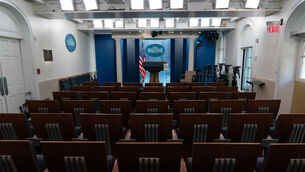
Mr Bush went before the nation on Tuesday night with a speech and question-and-answer session focusing on Iraq and the government's reaction to warning signs about the attacks of September 11, 2001.
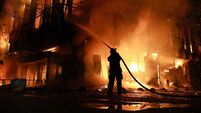
He said America's will was being tested by violence that has turned April into the deadliest month in Iraq since the fall of Baghdad.
"Look, nobody likes to see dead people on their television screens," Mr Bush said. "I don't. It's a tough time for the American people to see that. It's gut-wrenching."
Mr Bush has made Iraq central to his re-election and expressed confidence he will win over voters. "I don't plan on losing my job. I plan on telling the American people that I've got a plan to win the war on terror. And I believe they'll stay with me," he said.
Mr Bush did not admit a mistake or express regret for his administration's actions in Iraq or on the 2001 attacks, only apologising that he couldn't come up with any example of a failing.
"I don't want to sound like I have made no mistakes. I'm confident I have," he said. "I just haven't you just put me under the spot here, and maybe I'm not as quick on my feet as I should be in coming up with one."
A recent rise in violence has killed at least 83 US troops this month as US forces fight Sunni Muslim insurgents in the city of Fallujah, Shi'ite militiamen in the south and gunmen in and around Baghdad.
Mr Bush said he has told military commanders to be prepared to use "decisive force" against insurgents and that he was ready to allow an increase, rather than the planned decrease, in US troop strength in Iraq.
He promised "evidence in the months to come" of progress in Iraq but he also warned success could come at an even higher cost than already is being paid.
"Our work may become more difficult before it is finished," he said. "No one can predict all the hazards that lie ahead or the cost that they will bring."
Mr Bush repeated his resolve to see the June 30 date for the handover of power is met, saying to do otherwise would lead Iraqis to feel betrayed and "those in Iraq who trade in hatred and conspiracy theories" to gain strength.
Senator John Kerry, Mr Bush's Democratic rival, said the president failed to explain how he would stabilise Iraq.
"We need to set a new course in Iraq," Mr Kerry said. "We need to internationalise the effort and put an end to the American occupation. We need to open up the reconstruction of Iraq to other countries. We need a real transfer of political power to the UN".
Perhaps most surprising was Mr Bush's switch from a consistently upbeat view of the situation in Iraq to what he acknowledged was a "pretty sombre assessment" of the difficulties there. He talked of "tough weeks" and "serious violence", acknowledging recent developments have been hard on the military and their relatives, on the public and even on his own administration.
He also admitted, for the first time, that Iraqis are not entirely pleased with the situation created by the US-led war.
"They're not happy they're occupied. I wouldn't be happy if I were occupied either," Mr Bush said.