Royal Troon: Three holes to watch at The Open
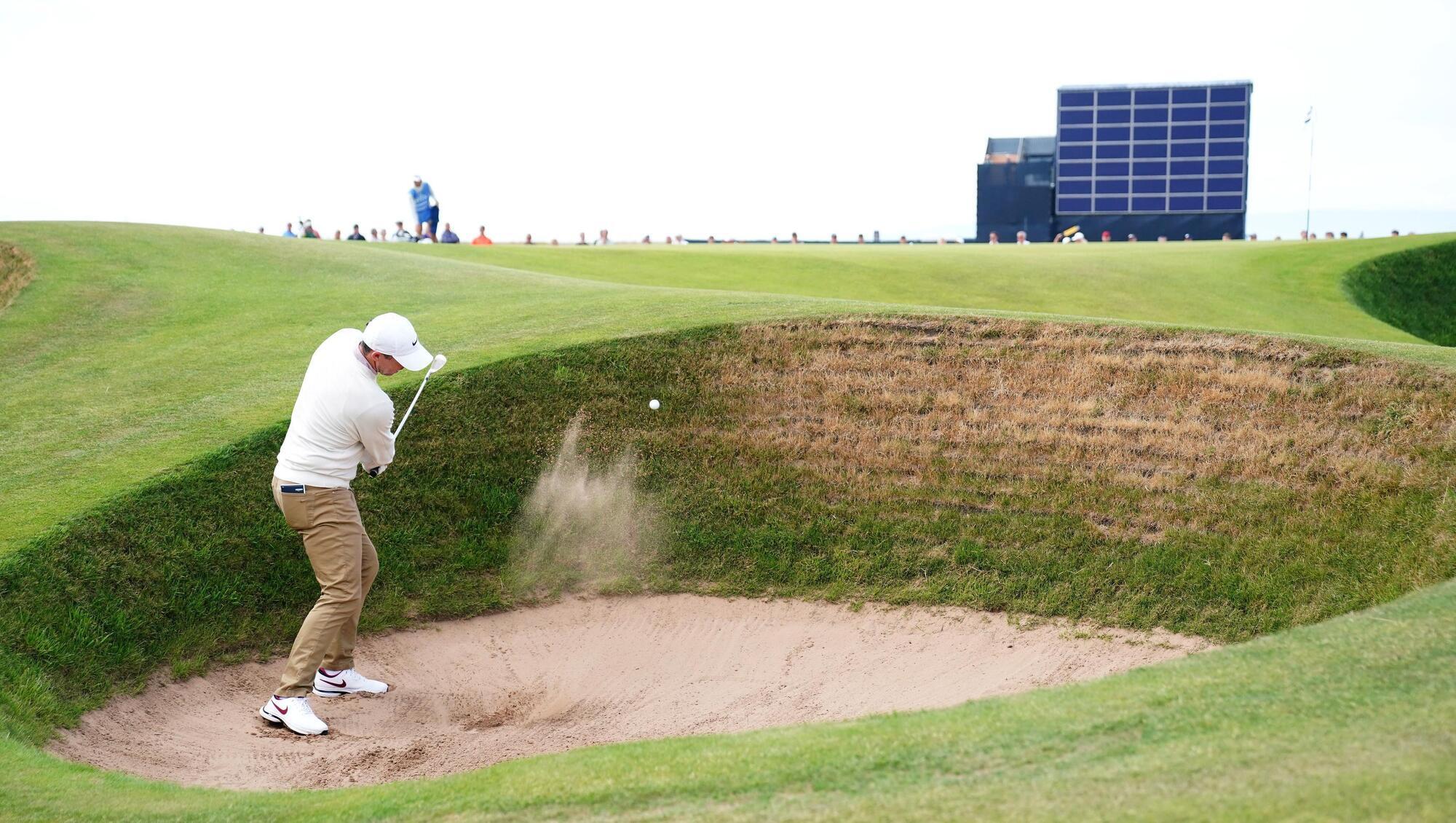
TOUGH ROUGH: Northern Ireland's Rory McIlroy chips out of a bunker on the 17th during a practice day ahead of The Open at Royal Troon. Photo credit: Jane Barlow/PA Wire.
You won’t hear anyone describing Royal Troon as the best venue on The Open roster. That’s not to say it doesn’t have its attractions and there are some obvious starting points when dissecting a course hosting this tournament for the tenth time.
At it’s most basic, this is an in-and-out with the first nine usually playing with the wind at its back and the journey home made into the teeth of a wind that invariably makes its presence felt on a stretch of land that hugs the Firth of Clyde.
It’s not quite that simple, and not just because of the wind changes expected this week.
Troon is also a three-parter: an unremarkable and easy opening half-dozen holes, a superb collection of six to follow that throw up an array of challenges and aesthetics around the sand dunes, and then the last third which is pure grind but lacks character.
Half-a-dozen tees have been shifted back and the three par-fives lengthened to add 201 yards to the course since its last hosting in 2016. The entire bunker-littered stretch now runs to 7,385 which still leaves it as the shortage on the major roster in 2024.
The course’s signature hole, this is probably the most famous par-three on the Open roster and a patch of real estate that has caused fear and recriminations for everyone from Gene Sarazen to Rory McIlroy in its long and illustrious history.
The obvious starting point is its length. It’s short and a fabulous rebuttal to the fashion for length first that has taken over modern golf. Originally known as Ailsa for the view from the Ailsa Craig tee, it was renamed for the minute size of its green.
It’s slightly longer than you might imagine from front to back but narrows the further you play from the tee and that landing area is harder to find the more the wind plays up. Chief among the many sand traps is the infamous Coffin Bunker to the right.
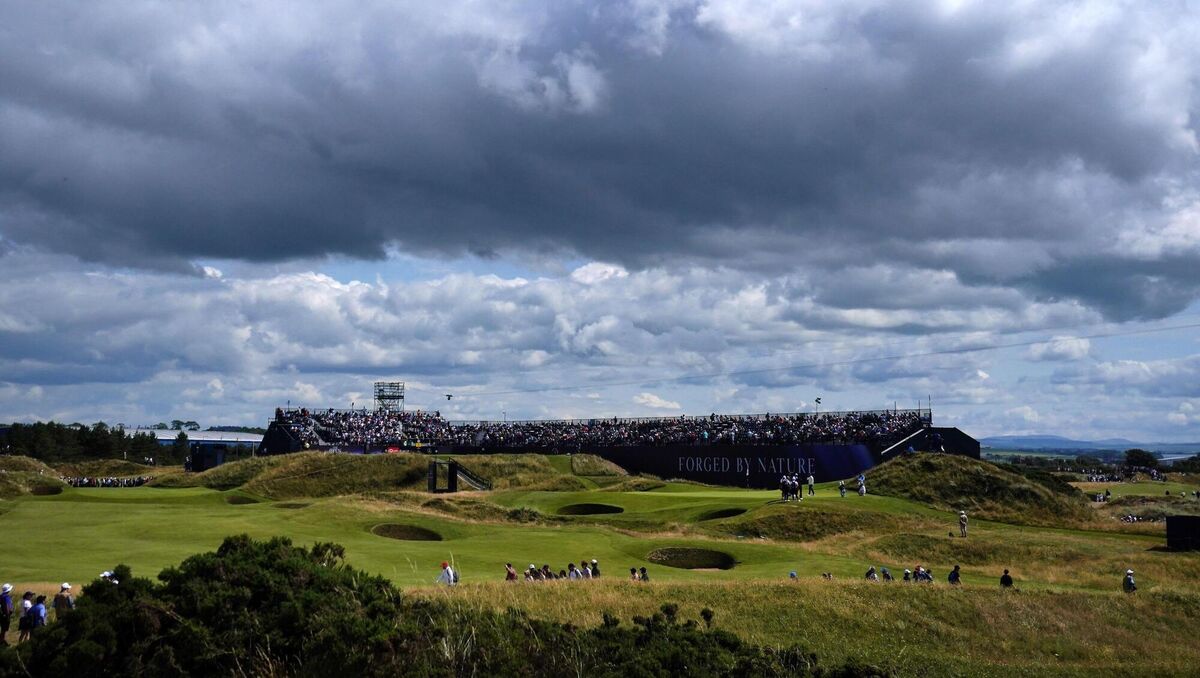
No surprise that all of the three holes picked out for special attention here come in that middle stretch of six holes. Of that trio, this par-four 10th is the least heralded but it is an intriguing hole and a superb starting point for the testing back nine.
The tee shot is blind and players have to carry those dunes to find the fairway. A gully to the right and a steep dip to the right of the green serve as the main defences, which are needed given this hole doesn’t have a single bunker to its name.
A hole that was never going to be called anything else in light of the tracks laid down all along the right-hand side. The left side of the fairway is a jungle of gorse and the narrow landing area is one that the field will have to find blind.
That railway line pushes in nice and tightly to the green which makes the approach a nice test of character too. It’s 16 yards longer now and a lone bunker short and to the left of the green narrows the options further when contemplating the flag.
This used to be a par-five, it is now the hardest hole on the course and it has been reported that it had the highest stroke average of any hole the pros played all year when The Open was hosted here both in 1997 and in 2016.


CONNECT WITH US TODAY



Be the first to know the latest news and updates