Dr Phil Kieran: Is overdoing it on the basketball court the cause of my child’s knee pain?
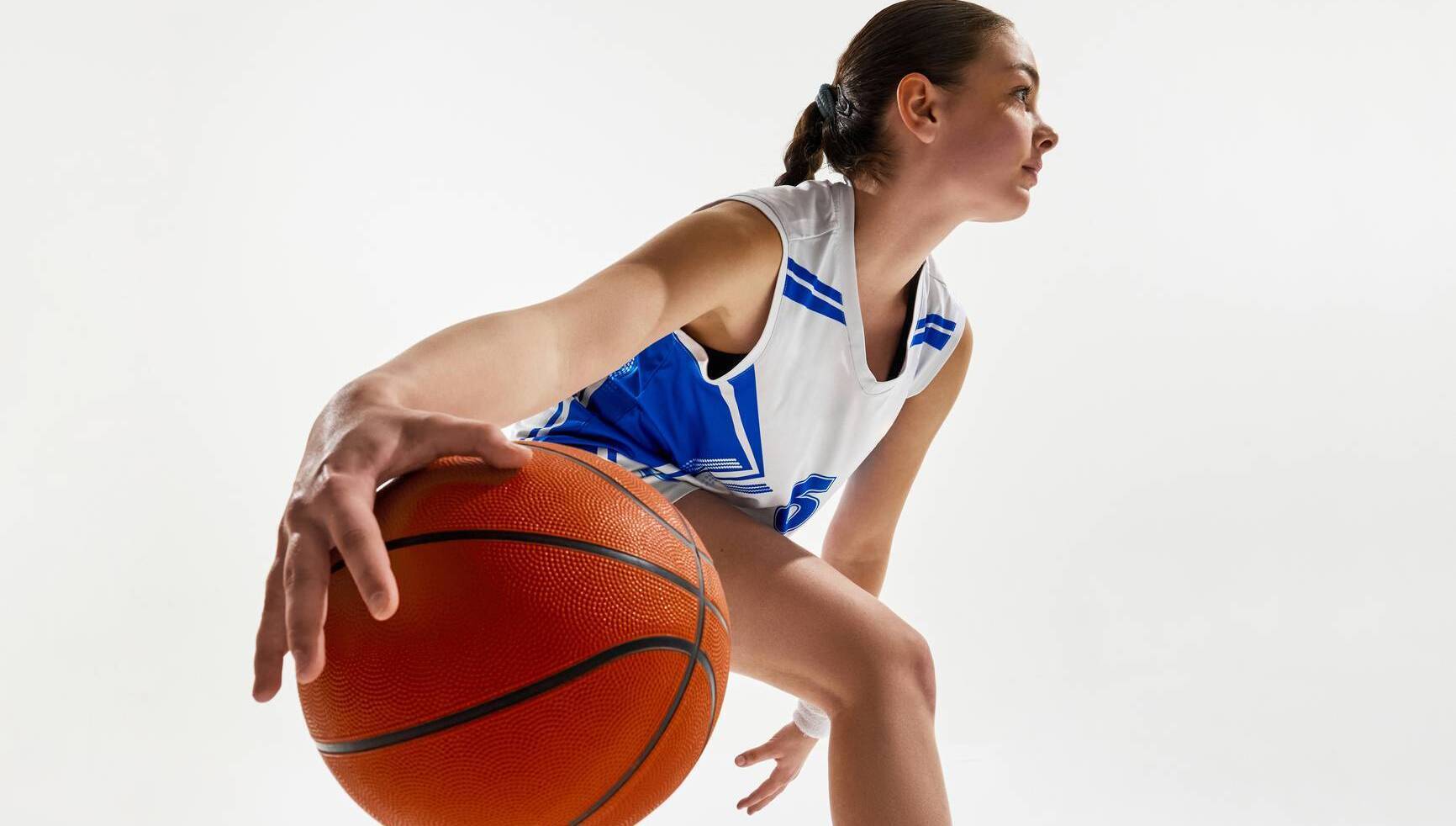
Basketball is a fast-paced sport, and it can be rough on the knees. Picture: iStock

Basketball is a fast-paced sport, and it can be rough on the knees. The constant explosive movements and rapid changes of direction are pretty extreme.
Your question raises many interesting considerations about knee pain. I suspect you are correct that this is an overuse issue causing patellofemoral pain. In addition to being worse after or during intense exercise, she might also find her knees feel sore going up or down steps and particularly painful when standing up after sitting for a long time.
This condition is fairly common when training or game intensity suddenly goes up. If she has recently joined a more competitive team or league, or is playing for more than one team, the increased exercise load may be why the pain has started now.
If the pain is not getting better, I suggest seeing your doctor. For overuse injuries, treatment usually involves identifying the cause, resting until the pain goes away, and gradually building the exercise back up.
For a 16-year-old, this recovery may be quick if we intervene before the injury progresses too far. I usually insist on rest if the pain persists for more than 24 hours after exercise, but there is some evidence discomfort lasting up to 24 hours after exercises like squatting can be acceptable while recovering from these conditions. However, if it is possible, I would recommend going slowly with the recovery so she isn’t in any pain.
Patello-femoral pain happens twice as often to women as men and is more likely in jumping sports such as basketball or volleyball. During my review of this patient, I would also be keen to rule out any ‘red flag’ symptoms that could signal something more serious or rare. Mainly, this would be pain at rest or pain that wakes her from sleep; involvement of other joints like the ankles, wrists, or fingers; or any symptoms of infection.
Another type of knee pain we see in teenagers is a condition called Osgood-Schlatter disease. This is most commonly seen in children who are going through, or have just finished, a rapid growth spurt. The pain in this condition is mostly between the kneecap and the shin, and usually happens in girls aged 11-12 (boys 13-14). Interestingly, in this particular condition, rest from sport isn’t always recommended.
At the end of the day, the knee pain is likely a temporary setback for your daughter. She may need to take a brief break or step back in intensity, but if the symptoms are not too severe, she may not have to.
If you have a question for Dr Phil Kieran, please send it to parenting@examiner.ie