Colman Noctor: Win or lose, children's sport should be about having fun
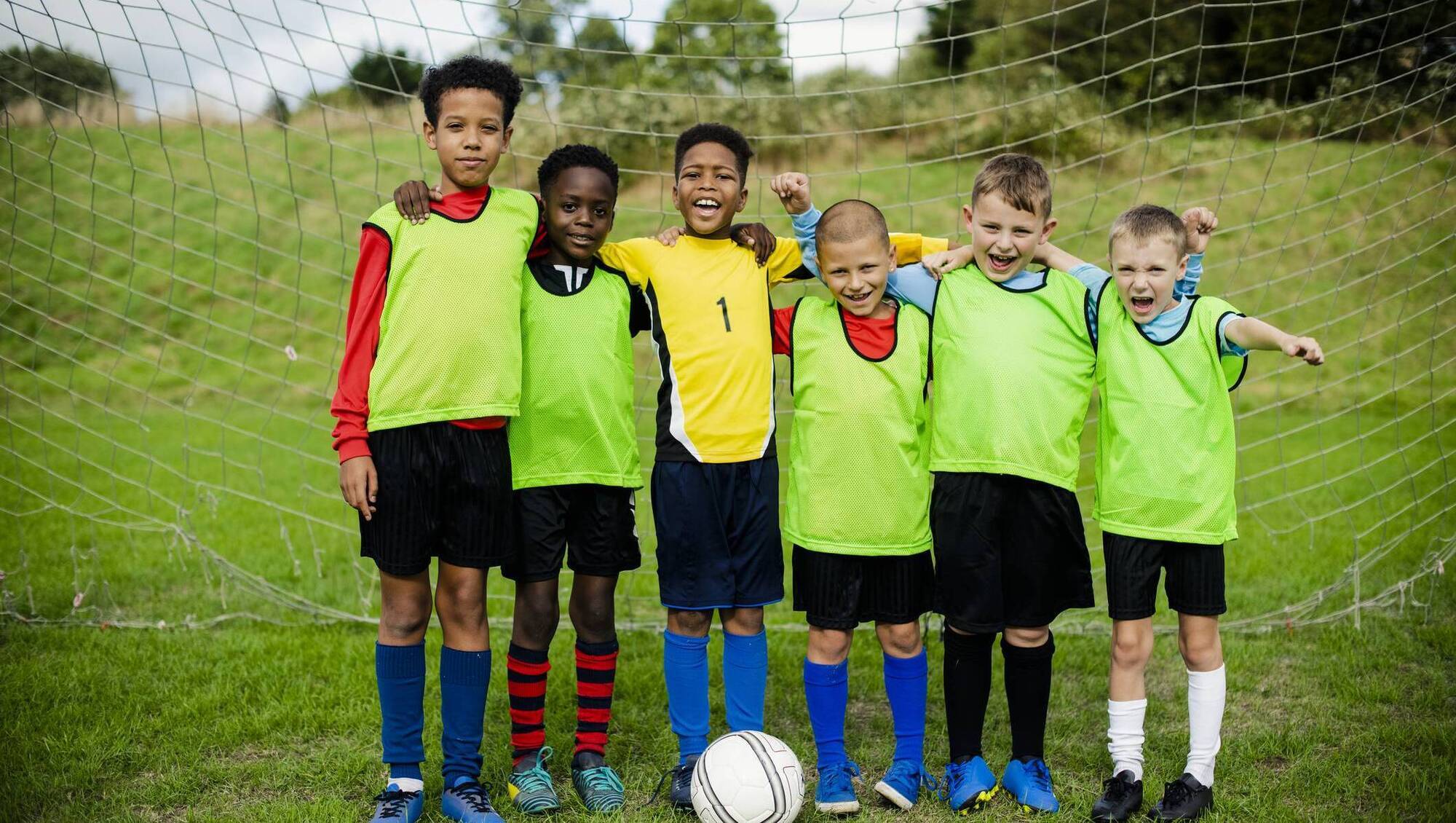
Children notice who gets picked, who gets praised, and who gets more time on the pitch. This is where a participation-focused approach matters most, yet it often receives little attention. Picture: iStock

He is 11 years old.
A win-at-all-costs approach does not seem to align with the broader purpose of children’s sport: To include as many children as possible and to keep them playing for as long as possible. It sounds simple, but in practice, it requires a shift in how we think about grassroots youth sports.
If a club serves its community, it needs to adapt to children’s needs and prioritise participation. If the community serves the club and success is the priority, then be explicit about that and state selection will be more exclusive.
However, when the balance tips too far toward top-tier selection, the consequences are significant.
At increasingly younger ages, training becomes more intense, selection becomes harsher, and the environment becomes more outcome-driven. The language shifts from enjoyment to performance, from participation to selection.
This competitive approach may benefit a small number of children, particularly those with early physical or technical advantages, but it risks excluding many others.
Only a small percentage of children will ever play at an elite level. Yet many grassroots environments are shaped as though that outcome is likely, and as a result, time and energy are invested in the promising few through structured drills and positional specialisation.
This early identification of “talent” often occurs at the expense of the majority. The trade-off is subtle. Sessions can appear organised, competitive, even impressive. But something important begins to fade: spontaneity, creativity, and, most importantly, fun.
As children grow older, it is reasonable for the emphasis to change. At the under-15 or under-16 level, equal game time cannot always be expected. But for younger children, sport should feel like play. It is where they learn to move, share, take turns, and cope with small disappointments.
These are not minor benefits; they are the foundations of long-term participation and a good basis for participation in society.
As we see far fewer children growing up on the road, street, or green, and as we move from a play-based childhood to a screen-based one, sport has become a major force in children’s socialisation journey. Sport is no longer simply developing juvenile players but is shaping children’s lives.
Between the ages of nine and 12, the social dimension becomes more significant. Children notice who gets picked, who gets praised, and who gets more time on the pitch. This is where a participation-focused approach matters most, yet it often receives little attention.
Some coaches believe that by 11, children should be exposed to a “school of hard knocks” approach, but that’s incorrect — the latency stage of development (from six to 12 years old) is still too early for a ‘sink or swim’ approach.
Over time, rigid patterns of selecting and prioritising stronger players become social constructs. One child becomes “the free-taker”, another “the defender”, while another becomes “the bench warmer”. As opportunities narrow, confidence fades.
This is not to deny differences in ability exist. They do, and they become more visible over time. But early sport should be about exposure, not specialisation. Every child should have the chance to try different roles, take responsibility, and experience both success and failure in a supportive environment.
When winning becomes the priority in children’s sports, decision-making narrows. Coaches rely heavily on their strongest players, minimise risks with substitutions, and focus on short-term success.
This may benefit a few, but it literally and metaphorically sidelines many.
Participation and standards are not opposites. In fact, they support each other. Children who enjoy sport are more likely to stay involved. Those who stay involved have more time to develop skills, confidence, and resilience.
The pathway to excellence is not built on early exclusion, but on sustained engagement.
Resilience, often cited in these debates, does not come from pressure or disappointment. It develops through manageable challenges within a supportive environment. A child who feels valued, is given opportunities, and is allowed to make mistakes is far more likely to develop resilience than one who is left on the bench in the name of winning.
Some of the most effective sports clubs are not those with the most trophies, but those with the highest retention. Children keep coming back. They stay involved through adolescence, a stage where dropout rates are highest.
From a developmental perspective, this comes down to their experience of psychological safety. Children need environments where they are not afraid to try, to fail, or to be seen. They should not be defined by a single role or moment. That sense of safety enables growth.
Such environments tend to share key approaches. Participation is prioritised. Roles and responsibilities are rotated.
I have had the privilege of coaching my son’s team for six years, and I have seen players once considered “weaker” at 11 become among the strongest by 15.
Children’s sport does not need to choose between enjoyment and development. We need to realise that one sustains the other.
Inclusion may require accepting short-term losses, but the long-term gains in participation, belonging, and community are significant.
Winning may feel important in the moment. But for many children, what matters most is feeling part of something. They show up to play, develop a skill, be with friends, and belong. As coaches, we are responsible for that experience.
The value for children lies not just in winning, but in playing, connecting, and being involved. That is why they keep turning up. They don’t come for the medals — they come back because they feel valued and belong.
As coaches, the only thing we should take seriously is protecting the fun.
- Dr Colman Noctor is a child psychotherapist

CONNECT WITH US TODAY



Be the first to know the latest news and updates