The financial impacts of divorce on pensions

Financial advice is of paramount importance during divorce, to examine all of a person’s assets, to include their personal and business properties, savings, investments and, of course, pensions.
Divorce can have significant financial repercussions, particularly when it comes to pensions, which happen to be one of the most valuable assets in a marriage.
So says Paul Merriman, CEO of Fairstone Ireland, a leader in financial planning and wealth management.
With Merriman at the helm, Fairstone Ireland gained four additional financial brokerages; the most recent being in April of this year. Well known for his business and financial prowess, the financial advisor is also the founder of AskPaul.ie and the author of ‘Money Made Easy: Simple Steps to Managing your Finances’.
On the topic of how divorce impacts pensions, he says: “Pensions are often overlooked in the division of assets. While they can sometimes be worth more than the family home, many people don’t realise that until it’s too late."
This lack of understanding can, he says, lead to serious financial issues later in life, particularly for those who were not the primary earner during the marriage.
According to Merriman, one of the biggest mistakes people make during a divorce is focusing solely on immediate, tangible assets like property or savings, while ignoring the long-term value of pensions.
"A pension might seem distant, but it’s a crucial part of your financial future," he says. "By overlooking it, people risk severely disadvantaging themselves when it comes to retirement."
In some cases, couples might come to an informal agreement, one that leaves their pensions untouched. This is not something he recommends. “Agreements like this can leave one party-often the lower earner-without enough on which to retire comfortably,” he says.
To protect against this, Merriman advises that individuals going through a divorce should seek financial and legal counsel early in the process: "It’s vital to get advice from a solicitor with expertise in pensions and family law," he says.

Because many know little about pensions and the entitlements they bestow, the thought of them being part of a settlement can be daunting. But Merriman is firm in his belief that a just solution can be obtained: "Pensions are a key part of any divorce settlement, and there are ways to ensure both parties get a fair outcome,” he says. “This might involve splitting the pension or adjusting other assets. But the important thing is to plan ahead and make informed decisions."
Taking steps to understand the true value of a pension is smart, according to Merriman. “That way, individuals can better secure their financial stability after divorce.”
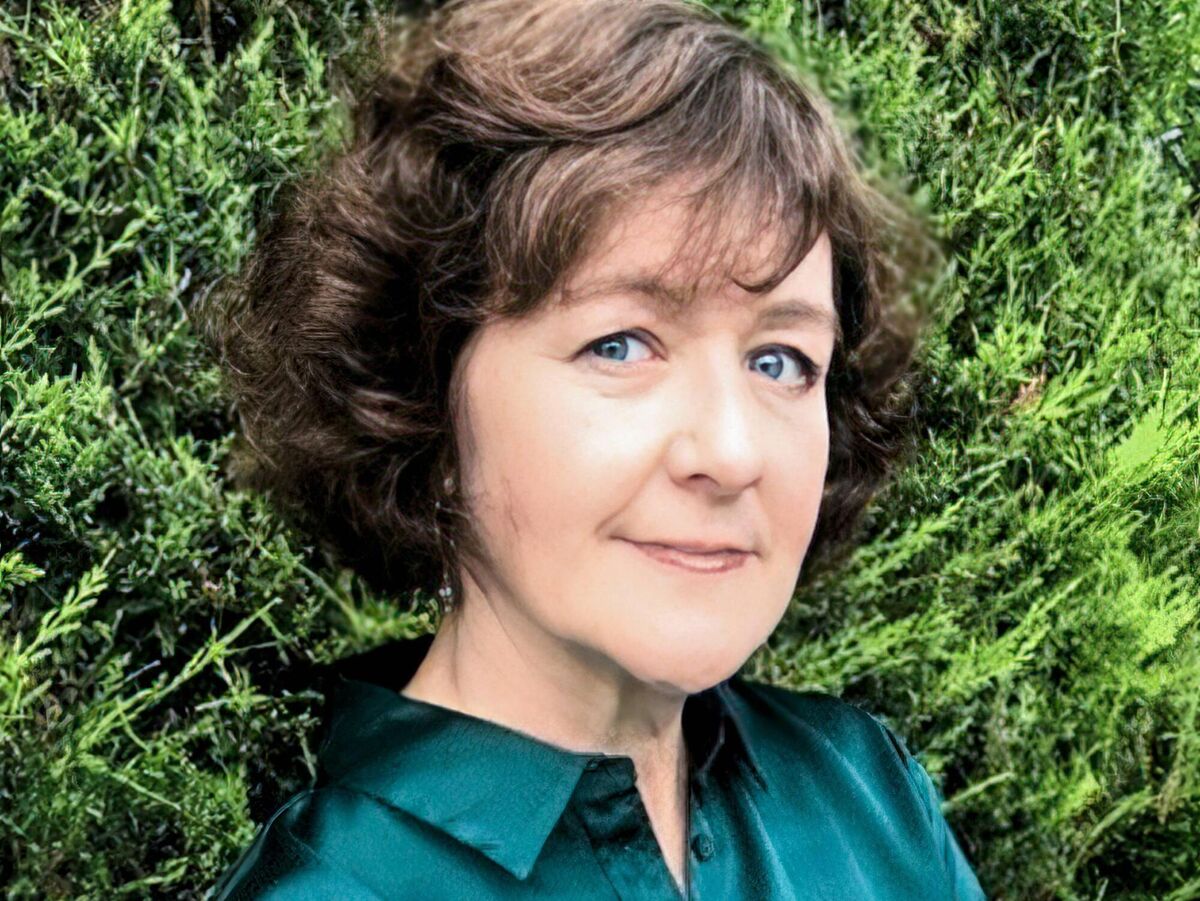
Divorce and financial planning expert, Andréa Patterson of Divorce Financial Planning Experts, is another with copious expertise on how pensions can be impacted when couples break up. “Ending a marriage, civil partnership, or a long-term cohabitation can be a challenging and emotional time,” she says.
“Navigating the financial aspects of separation or divorce can feel overwhelming, especially when it comes to dividing assets like pensions. The court’s role in issuing a pension adjustment order ensures a fair distribution, particularly if one partner has relied on the other for financial support.”
Like Merriman, Patterson emphasises the wisdom in seeking professional advice to protect financial security. Also, to find out about the impact any court orders might have.
“One of the key decisions that needs to be made during this process is how to fairly divide your assets, especially when it comes to ensuring both parties and any dependent children are provided for.
“If one of the parties has been contributing to a pension for a considerable period, it is important to recognise that this pension could be a considerable part of their assets. When appropriate, the pension of one partner from the former couple, can be divided between them and their former partner. This legal decision and instruction are known as a Pension Adjustment Order (PAO).”
Clarifying precisely what that is, she says: “This is a directive from the court that allows pension benefits to be shared between former spouses, civil partners, or qualified cohabitants. It is important to note that pensions cannot be divided without this official court order. Even if the former couple agrees on how to split other assets, pensions require the court’s involvement to be legally divided. This ensures a fair and legally binding outcome for both parties.
“Once the court issues a PAO, the pension scheme trustees or administrators are required to pay a portion of the pension benefits to the non-member spouse, or to another person if the order is made for the benefit of a dependent child.”
Patterson says this order helps ensure financial security for the non-member spouse, who-perhaps because they were not working outside the home during the relationship-may not have their own pension.
A PAO can be issued during judicial separation, divorce, dissolution, or following the end of a qualifying cohabitation. However, it is worth noting that the relationship status of the person applying for the order is relevant here, as the court will not make a PAO if the person applying has already remarried or, in the case of a civil partnership, has entered a new civil partnership.
In the event of a pension being shared, the resultant portion sizes are important. To determine precisely how much of the pension should be shared, the court uses two key factors: the relevant period and the relevant percentage.
“The relevant period refers to the period during which the pension benefits were earned,” explains Patterson. “It usually begins when contributions to the pension first began, and ends at the date of separation, divorce, or dissolution. The court will not consider any benefits earned after the official date of separation.”
As for the relevant percentage, this refers to the portion of pension benefits earned during the relationship that the court deems appropriate to share.
“The court may transfer this percentage to the other spouse or civil partner,” says Patterson. “Sometimes it might go into a separate pension plan, ensuring independent pension benefits for each person as they move forward.”
Asked what happens when there are multiple pension arrangements in place, Patterson replies: “If one person, or their former partner, has multiple pension plans, the court can issue a separate PAO for each. This ensures that all pension assets are considered and divided in a way that is fair and comprehensive."
Financial advice is of paramount importance during divorce, she says.
“At Divorce Financial Planning Experts, we help people to navigate this complex process. We examine all of a person’s assets, to include their personal and business properties, savings, investments, pensions, mortgages, and debts. By carefully considering every aspect, we help clients to avoid costly mistakes and plan for their financial future.
“We also ensure that pensions are not only used to create a fair division of assets, but are maximised for our client’s long-term financial security. We look at all aspects of pensions — the tax savings on further contributions, the income they provide in retirement, the tax-free growth they enjoy and the tax-free lump sum available on drawdown. With careful planning, we empower clients to make informed decisions that protect their future financial health.”