Storey time: Are bungalows really better than two-level houses?
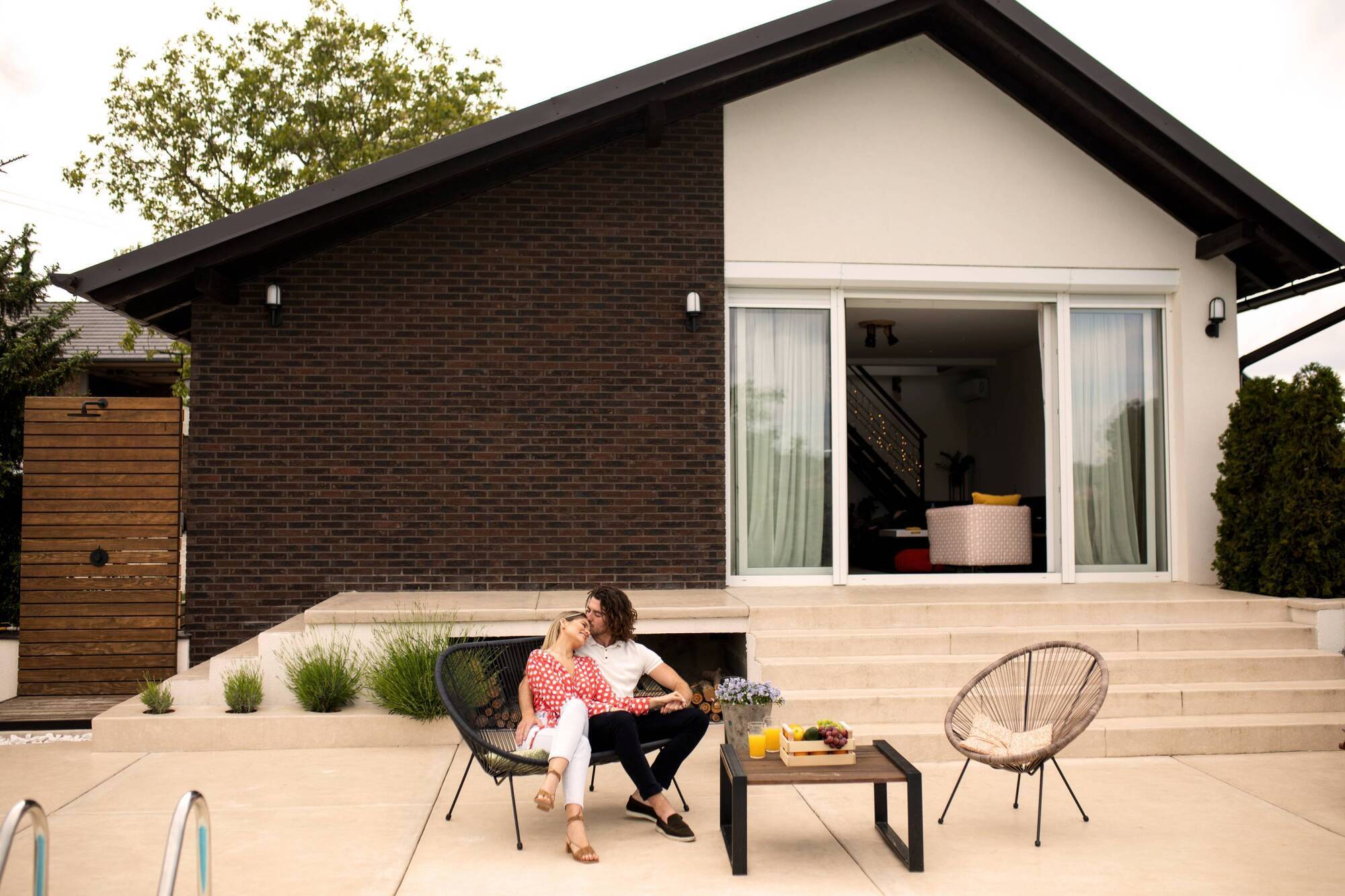
Bungalows make great ‘forever homes’. You don’t have to consider stair lifts or converting the study to a bedroom as your single-storey home will see you through. 

Bungalows make great ‘forever homes’. You don’t have to consider stair lifts or converting the study to a bedroom as your single-storey home will see you through. 

Hi Kieran,
My wife and I are planning to build our own home but we’re struggling to decide whether to go for a traditional two-storey house or a more contemporary bungalow. 

Apart from the obvious appearance differences, what are the main advantages and disadvantages of each in terms of construction costs, energy efficiency, future maintenance, and long-term practicality? Is one generally better value than the other?

John, Tipperary

Hi John,

Thanks for this great question. So much to unpack here.
Bungalows were once very popular in Ireland. I guess you could say the traditional Irish cottage was a bungalow of sorts... though some of these do have access to a loft in the roof space.

So let’s look at bungalows, how they developed, and the pros and cons in terms of your future home.

When you look at the original traditional Irish cottage, it was built of random rubble stone generally sourced locally from the ground and had a roof made of thatch. These cottages were built from a relatively standard plan that had become established and was adjusted to suit the locality. This approach lasted into the 20th century.

Then, early in the century, cement and then concrete blocks became popular — and this changed everything for the bungalow.

Now construction itself had also become more dynamic as timber became easier to process with the advent of saw mills, and slates were used for roofing covering. These products made cottages easier to adapt to family circumstances and needs.

These cottages were more likely built by local builders and tradesmen who specialised in this modern construction. This was the beginning of the age of the bungalow.

In 1970s Ireland, a new bungalow standard plan book was created, which laid the way for mass production of bungalows, particularly in the Irish countryside. Their popularity was likely due to the ease of their construction because of their low height and simple plan... and Ireland was gripped in a bungalow blitz for the next 20 years.

In the late 1980s, a new form of the bungalow appeared on the scene. This was the dormer bungalow. Now we had adapted the bungalow to provide upstairs accommodation with the advent of new roof lights or dormer windows and topping it off with a new package of PVC windows and doors throughout. Dormer bungalows took over from the previous bungalow blitz model and became more popular in rural areas and are still regularly built today.

Looking at your project, the two drivers of your house design will be budget and planning permission. Without doubt, the most cost-effective house to build is a simple-plan two-storey house.

The reality is that modern bungalows are expensive. Their plans have now developed from the single-floor plan of the 1970s into C- or even H-shaped houses. These houses have a large ‘external wall to floor ratio’ which, in quantity surveying terms, means they are more expensive to build. This is because they have a lot of external walls, which means windows, insulation, masonry, steel, and plaster costs become elevated, which drives up the cost per square foot.

When you look at a two-storey house, the foundations and roof are shared over two floor levels, which helps drive value, so overall, with a two-storey house of a simple floor plan, your euro goes much further.

You do need to look at planning permission too, however.

I have called to clients’ sites many times with architects and, as they gaze at the neighbouring houses, they get concerned if there aren’t many two-storey houses, and this can point them to a precedent for single-storey or dormer bungalows.

It is true that planners can still favour bungalows as they may sit better on a rural site, particularly if it is elevated, where there can be a risk of a new house ‘breaking the skyline’.

When it comes to energy efficiency, in my opinion the simple-plan two-storey house is easier to build to combat heat loss. Fewer external walls means there is less opportunity to lose heat through these surfaces and fewer roof-facing ceilings makes efficient airtightness easier to achieve.

I know from living in a renovated dormer bungalow that, at home, we rarely turn on our radiators upstairs because the heat we generate downstairs (either from our heating system or solar gain) will eventually make it upstairs — and most people find they sleep better when a little cooler.

There are some obvious advantages to the bungalow, however.

They can be easier to build in a direct labour-style project because you don’t have to deal with building at height which can mean hiring expensive
lifting machinery on your site.

They can be easier to maintain for the same reason. If you have hipped roofs (no high gables), you could paint them yourself and you could clean the gutters personally every autumn.

Another clear advantage is that they make great ‘forever homes’. You don’t have to consider stair lifts or converting the study to a bedroom as your single-storey home will see you through.

Kieran McCarthy: "Without doubt the most cost-effective house to build is a simple plan two-storey house.  The reality is that modern bungalows are expensive."

  • Kieran McCarthy is a building engineer, and director of KMC Homes, who specialise in designing and building luxury homes in Cork. He also presents the RTÉ TV show Heat My Home, showcasing deep retrofits in Irish homes; kmchomes.ie
  • @kierankmc has more home-building tips, information, and Q&A advice;
  • Follow Kieran on the ‘Built Around You’ Youtube channel

More in this section

Revoiced

Newsletter

Had a busy week? Sign up for some of the best reads from the week gone by. Selected just for you.

Cookie Policy Privacy Policy Brand Safety FAQ Help Contact Us Terms and Conditions

© Examiner Echo Group Limited