Property advice: Is there any merit to spending money on triple glazed windows?
With options including double and triple glazing as well as wood, aluminium or aluclad frames — how do I choose what kind of windows to use on my new extension?
Property advice: Is there any merit to spending money on triple glazed windows?

Kieran McCarthy: "I would be tempted to upgrade your patio door to a sliding aluminium or modern timber type door. And due to the width and the weight of the triple glazing I would push for a ‘lift and slide’ option."

Hi Kieran,

I’m proposing to build a single-storey, full-width rear extension to a typical three-bed semi (built 1995) that would just be under planning requirement and will involve the demolition of an existing half width sun room (added in 1999). I have occupied the house from day one.

As this will be a big spend (relatively) and disruptive on the basis that I will have to move out for the duration of the build, I want to ‘do it right’ as it were and prioritise on spends that will future-proof the house for me. I intend replacing all windows in the house as part of this build. 

Is there any merit to spending money on triple glazing or does it come down to being selective in choosing it for certain windows depending on their orientation?

Sharon, Dundalk

Hi Sharon,

I have renovated houses for myself in the past and no matter how much expertise or experience you have it is a huge drain on your energy as well as your resources.

Your proposed project is quite considerable and indeed invasive as you have outlined. Your project will require quite a sizable windows package as you fit-out a new kitchen living extension and upgrade the windows throughout your house. We need to get this right, so let’s dive in.

Like always, when you are considering investment in building features you are considering the options in terms of design but, equally importantly, in terms of budget too. This is where the value scale lies.

Let me tell you a little more about windows and their characteristics to help with these decisions in the context of your project.

When it comes to windows, there are quite a few window frame options:

  • The most popular and cost effective option in PVC. These have taken over the market from the softwood timber windows of old. They are cost effective — and all opening and glazing options are available. They can be used in most applications but they can run out of steam a little when you are considering a building with a high level of architecture which might entail large span sliding doors and so on;
  • Next up is aluminium. This costs more than PVC but is more suitable for large span (wide or high) windows or doors. Modern aluminium windows are thermally broken so they do not let the cold outside penetrate the frames and thereby eliminate condensation which was a big issue with the original aluminium windows. Aluminium frames tend to be thinner and are often favoured by architects, if the budget allows, to give your project that ‘high end hotel’ look;

  • The other premium option is timber. However, modern timber windows don’t rot. These are often hardwood and they require very little maintenance. They can arrive
    unpainted from a joinery yard so you can choose the colour scheme yourself or they may come precoloured from the factory. In this case you may need to repaint them every eight to 10 years depending on their exposure to the elements. These frames would be thicker than aluminium but would have that warm timber look. They would not typically be as dynamic as aluminium in terms of wider spans;
  • The last option would be aluclad where you have timber on the inside and aluminium on the outside. Now you have the benefit of the warmth of timber on the inside and the durability of aluminium on the outside. The best of both worlds — although with the corresponding premium price tag.

Now let’s consider the glazing. Initially, in the times when we had timber softwood windows, the glass was single-glazed. This was effectively what we now call a ‘cold bridge’ in that it directly conducts the coldness from the outside and allows it to pass to the inner surface of your windows. Moist air condensed on these windows internally, so much that they actually had little holes and internal drains called ‘weep holes’ to send this condensation moisture out.

Nowadays you have windows with a level of inbuilt insulation to guard against these issues. The typical options available are double and triple glazing, though there are higher options available too. Modern A-rated double glazing is excellent and more than adequate for most applications.

But there are times you could indeed consider triple glazing.

Typically triple glazing is used on northern elevations to guard against excess heat loss from your windows in winter, or in southern elevations to protect against excess solar gain most times of the year. If your budget allowed you could of course use triple glazed windows throughout your house to generally improve heat retention.

So, let’s look at your project and consider a medium-level investment. Generally I find PVC is fine for most windows, particularly bedrooms, living rooms, and so on. If the front of your house faced north (which is ideal) you could opt for triple glazing here. For your east/west facing elevations you could tick the double glazing option box but for the southern elevation I would likely push for triple glazing again.

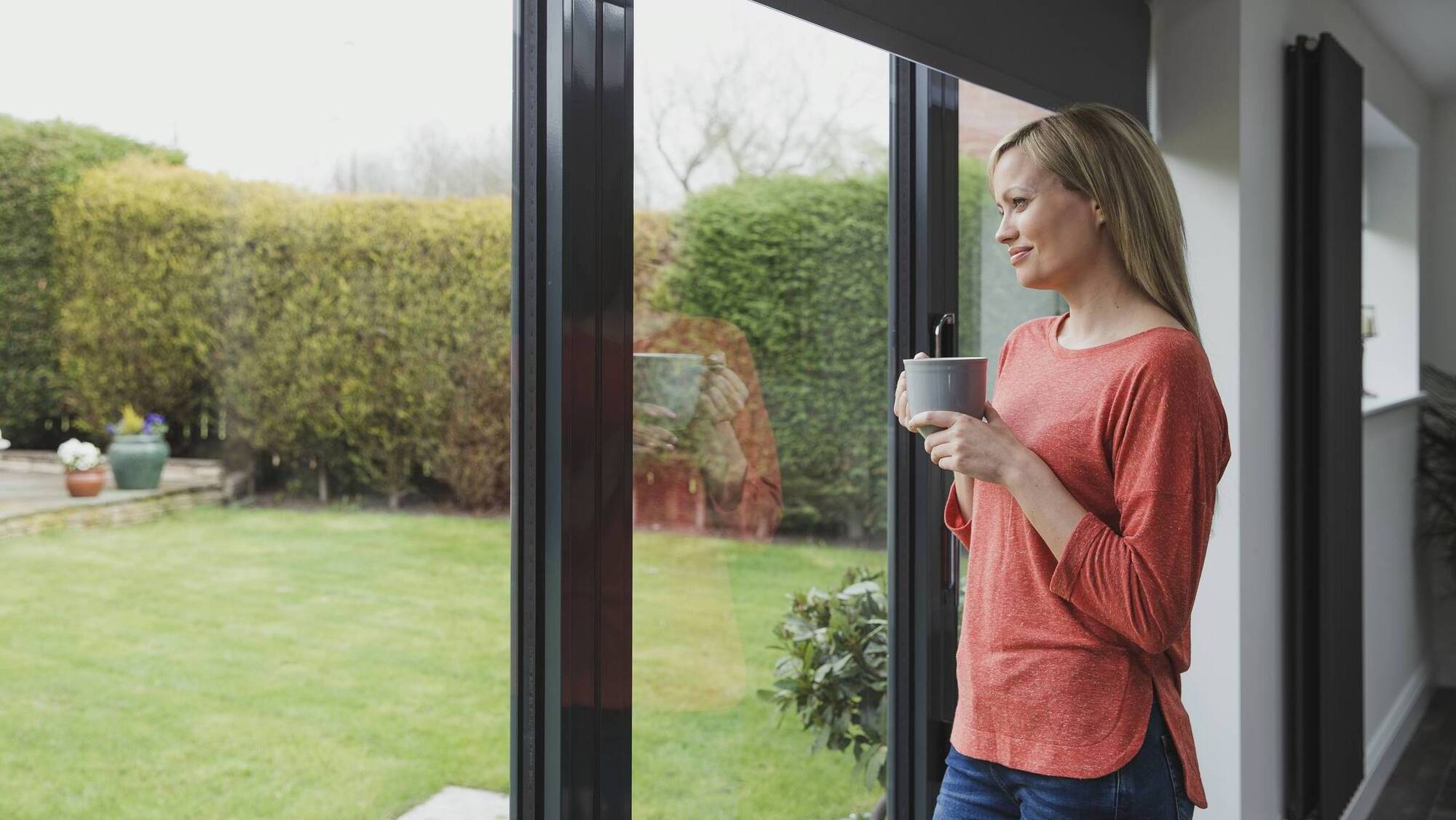
I would be tempted to upgrade your patio door to a sliding aluminium or modern timber type door and, due to the width and the weight of the triple glazing, I would push for a ‘lift and slide’ option. We have certainly opened up the purse strings here but this is where you will spend most of your time and I feel you will benefit from this investment.

Given that your extension is full width I would have a little concern that you may struggle for light in the centre of your house so you could add a triple glazed roof light. This would really be the ‘cherry on top’ for your newly renovated home.

Kieran McCarthy: "Typically triple glazing is used on northern elevations to guard against excess heat loss from your windows in winter, or in southern elevations to protect against excess solar gain most times of the year. If your budget allowed you could of course use triple glazed windows throughout your house to generally improve heat retention."

Kieran McCarthy is a building engineer and director of KMC Homes who specialise in designing and building luxury new homes for busy people in Cork. He is also
presenter of the RTÉ TV show Heat My Home showcasing deep retrofits in Irish homes

Follow Kieran on Instagram: @kierankmc for more home building information, tips, and Q&A advice;

You can also follow Kieran on the Built Around You YouTube channel.

x

More in this section

Revoiced

Newsletter

Sign up to the best reads of the week from irishexaminer.com selected just for you.

Cookie Policy Privacy Policy Brand Safety FAQ Help Contact Us Terms and Conditions

© Examiner Echo Group Limited