Jennifer Sheahan: How to reseal your bath or shower
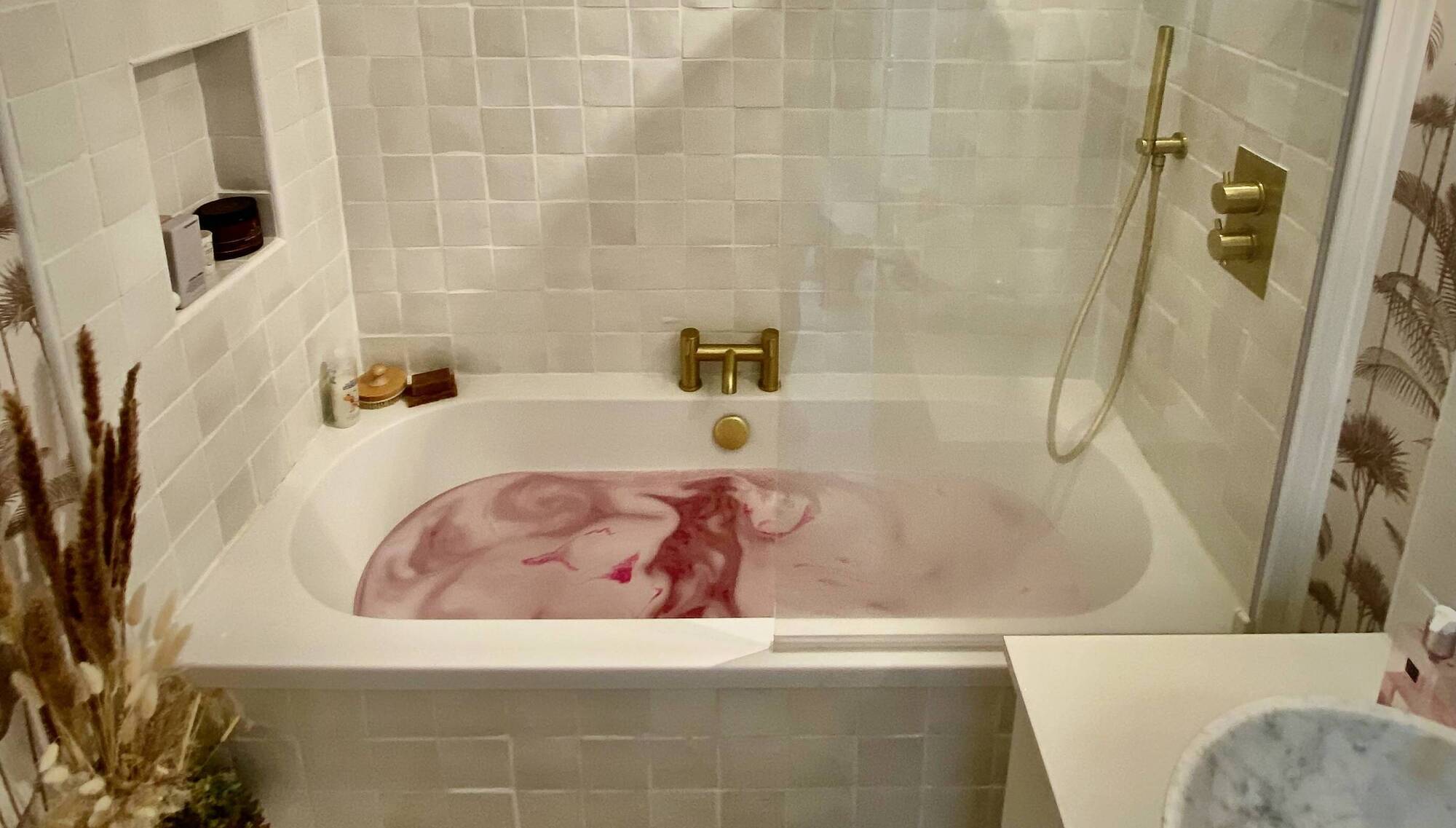
Fill the bath (bath bomb optional), says Jennifer Sheahan.
Sometimes, baths can be a messy business. I insisted on having one in my tiny house, posing quite the challenge for my poor architect, but he made it happen. I love luxuriating in a hot bath with a good book, a glass of wine, and some chocolate. What I do not love is the recent growth of mould along my bath’s edge, due to a teeny tiny crack in the seal. It’s ruining my relaxing time.
I am in my DIY era, though, so no time like the present to roll up my sleeves and tackle the issue. There are few household jobs less glamorous than resealing a bath. Nobody is posting freshly sealed corners on their Instagram grid. But maybe we should be, because when it needs doing, it really needs doing. A failing seal is one of those small problems that can become a large, expensive one if left too long.
Water is endlessly patient. A hairline gap in your silicone might look completely harmless, but the water will get through, and it will find its way into the wall, the floor, the ceiling of the room below.
Damp, mould, swelling boards, structural damage — all of it can start with a small crack around a bath or shower tray that you decided, months or years ago, to leave for another day.
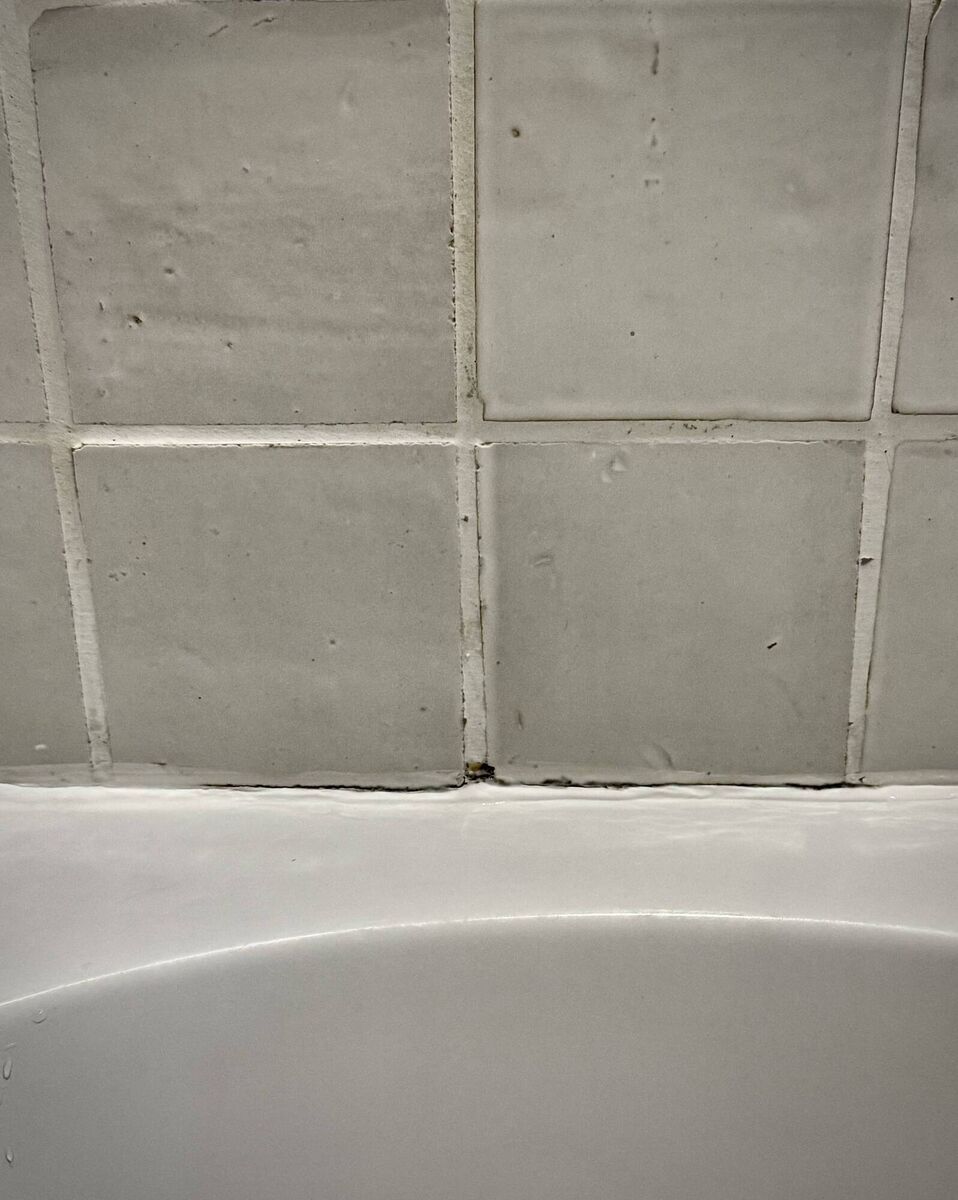
This week, I ran out of days to put it off. The sealant around my bath has been cracked along the shower edge for months now, and it is starting to turn an ominous black, which is telling me in no uncertain terms that the water has gotten through and the mould has got a foothold. So I spent an unglamorous but satisfying afternoon on my hands and knees in the bathroom, armed with a silicone remover, a sealant gun, a roll of masking tape, hand soap, and some rags.
The good news: with a little know-how, this is totally manageable. Here's how to do it properly.
As with most jobs, the key is in the prep. Removing the old sealant thoroughly is a step people often rush, and it's the most important one. New silicone does not bond to old silicone, particularly if there's mould lurking underneath it.
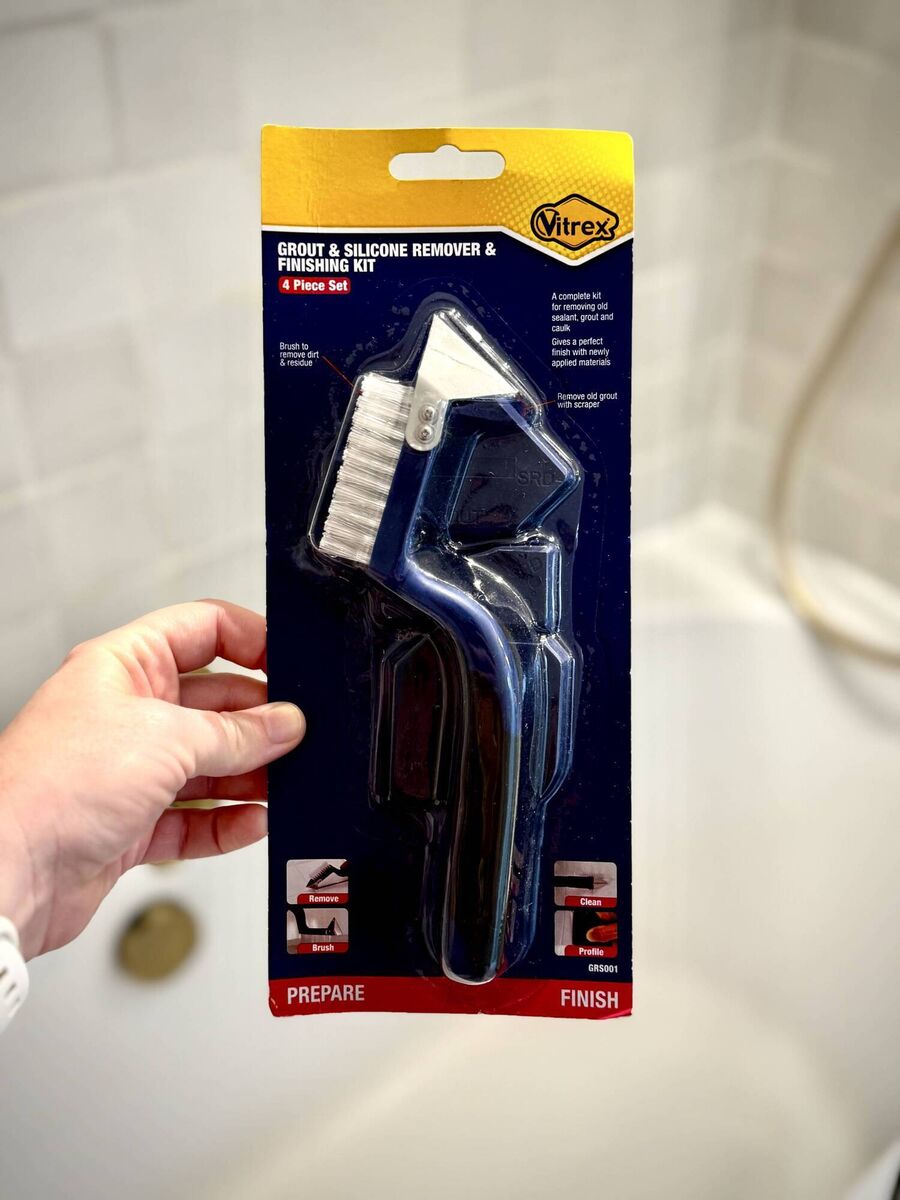
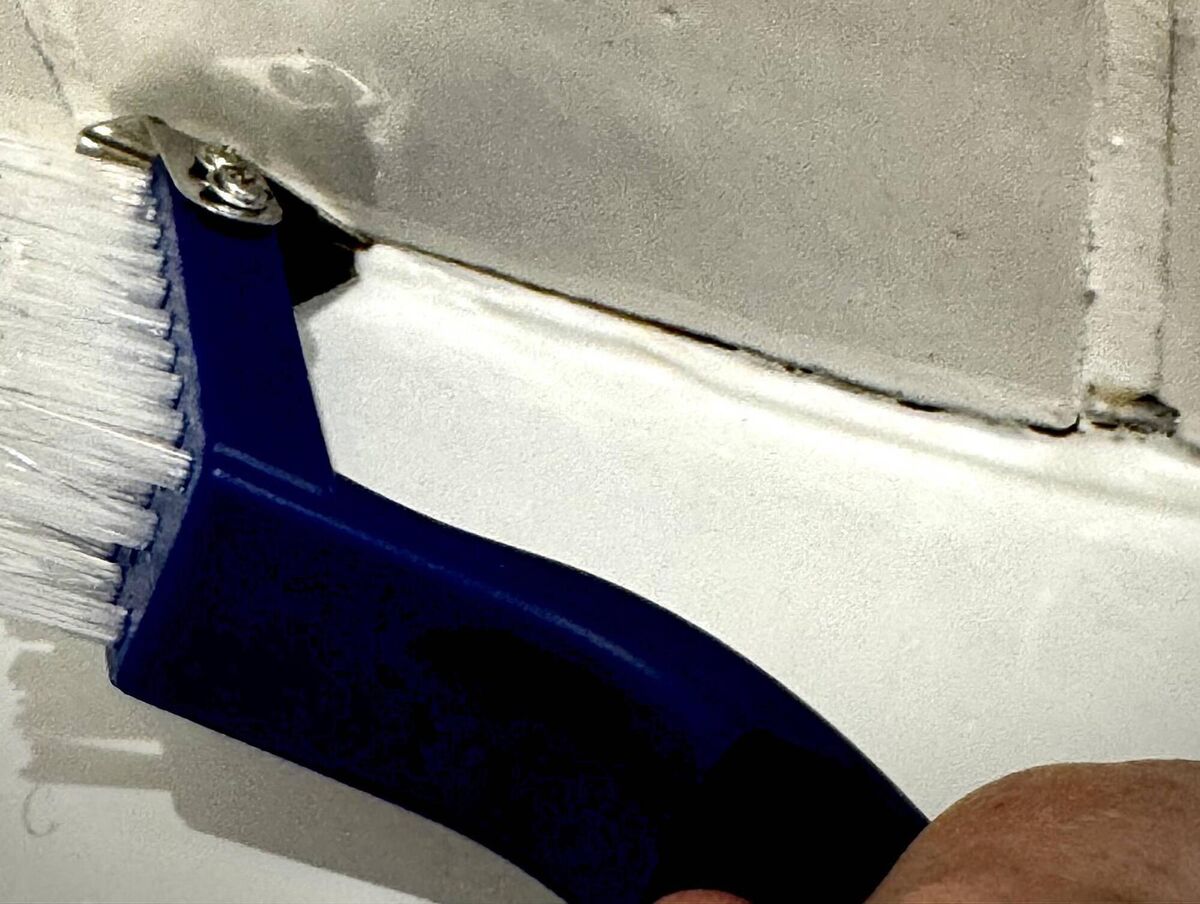
I used a silicone removal tool and a sharp craft knife to work carefully along the joint. I got mine in Expert Hardware; most hardware shops will have them in stock for very little money. There are also silicone remover gels that help soften very stubborn residue — worth picking up if your existing sealant is particularly tenacious.
Ensure every last trace of the old stuff has to come off before you move on to the next step. Once you’re sure all the sealant has gone, clean the area and wipe it all down, removing any residue, then let everything dry fully. Silicone and moisture are not friends at this application stage.
This tip came from a follower on Instagram, and it really makes a difference. Before applying any new silicone, fill the bath with water. Then — and yes, I did this — climb in.
The weight of the filled bath pulls the bath down slightly into its in-use position. If you seal an empty bath, the silicone will stretch every time the bath fills and bears weight, and it'll start to split sooner than it should. Sealing it while weighted means the silicone cures in the correct position.
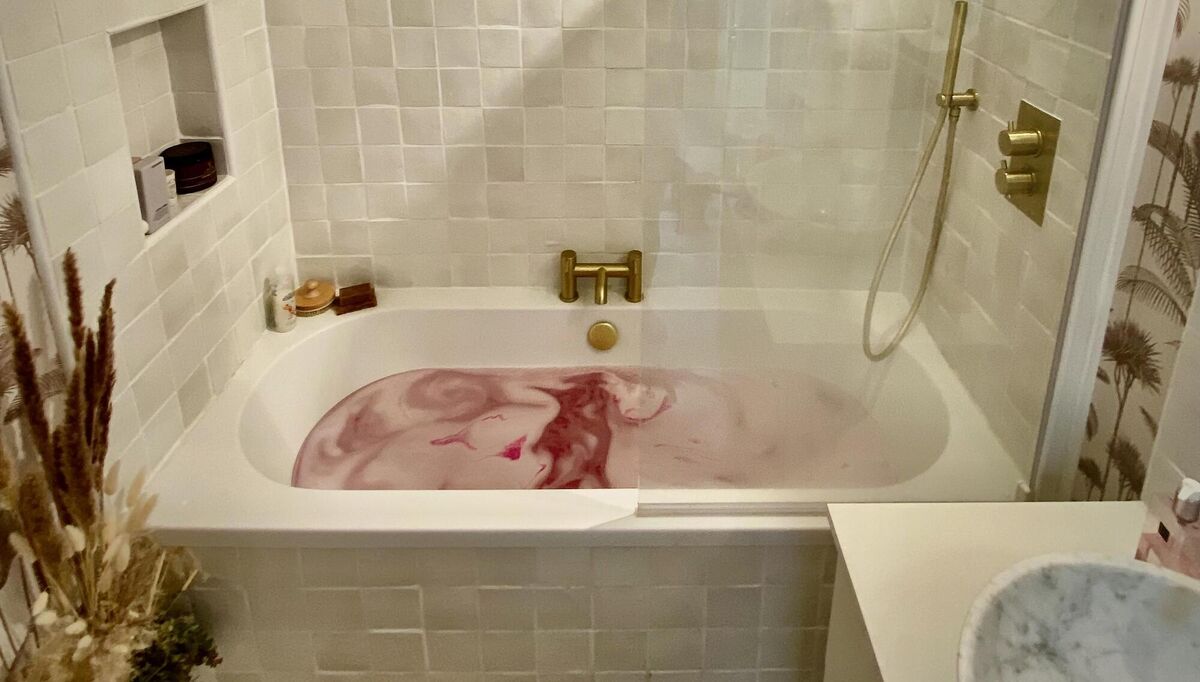
Obviously, I felt absurd, sitting in a full bath applying silicone around the edges like some sort of DIY mermaid (or perhaps a seal, following my pasta-and-gelato-filled week in Italy). But I am assured it works, and no doubt I’ll be glad of it in a year’s time.
Sealant guns look simple and self-explanatory until you actually use one. The most common mistake is cutting too much off the nozzle. Start small — a small opening gives you far more control and a much cleaner line. You can always trim more off if needed.
Cut the nozzle at roughly a 45-degree angle, sized to match the joint you're filling, and if necessary, puncture the inner foil seal before loading the cartridge into the gun.
When applying, pull the gun towards you rather than pushing it away. Move slowly, apply steady pressure to the trigger, and try to keep the bead consistent. Stop-start motions create lumps, which you will then spend the next ten minutes trying to fix.
I found my years of experience icing cakes to be of huge benefit here, so if you are a competent cake decorator, take heart — you will find this a doddle.
Don't panic if you make a mess. You can wipe it off, clean the area, and start again.
I got the hang of straight runs pretty quickly. I got held up at the corner. The issue was that I hesitated when I reached the corner, creating a lump, and that was not the right thing to do.
The trick is to apply a continuous bead into and around the corner in one smooth movement. Do not go back to poke and prod at it. The more you fiddle, the worse it gets.

If you want really crisp lines (and especially if this is your first time), apply masking tape along both sides of the joint before you start. Peel it off immediately after smoothing, before the sealant skins over. It takes a little longer, but the result is much cleaner. I tend to freehand it because patience is not my strongest quality, but I will admit the tape gives a better finish, and I slightly regret my haste.
Once the silicone is applied, you need to smooth it quickly. There are proper finishing tools available, but my DIY-savvy friend Kate (@victorianrathmines on Instagram) swears by the old finger-and-soapy-water method. Dip your finger in a small bowl of soapy water and run it firmly and steadily along the fresh sealant line.
The soap stops the silicone from sticking to your skin, and using your finger directly gives you much better control and a very clean finish. Keep rags or paper towels close by and wipe your finger regularly.
Once it looks good enough — stop. Walk away. Do not go back to correct small errors. It will end up looking like Father Ted’s car from the raffle. Leave it to cure fully before getting it wet again. Check the product instructions — most sanitary silicones need at least 24 hours, sometimes more. Do not touch it during this time!
Make sure you're using sanitary silicone specifically designed for bathrooms and wet areas. These contain anti-mould additives that slow down the black spotting. They're worth paying the little extra for, because cheap silicone is one of those false economies that punishes you within a year.
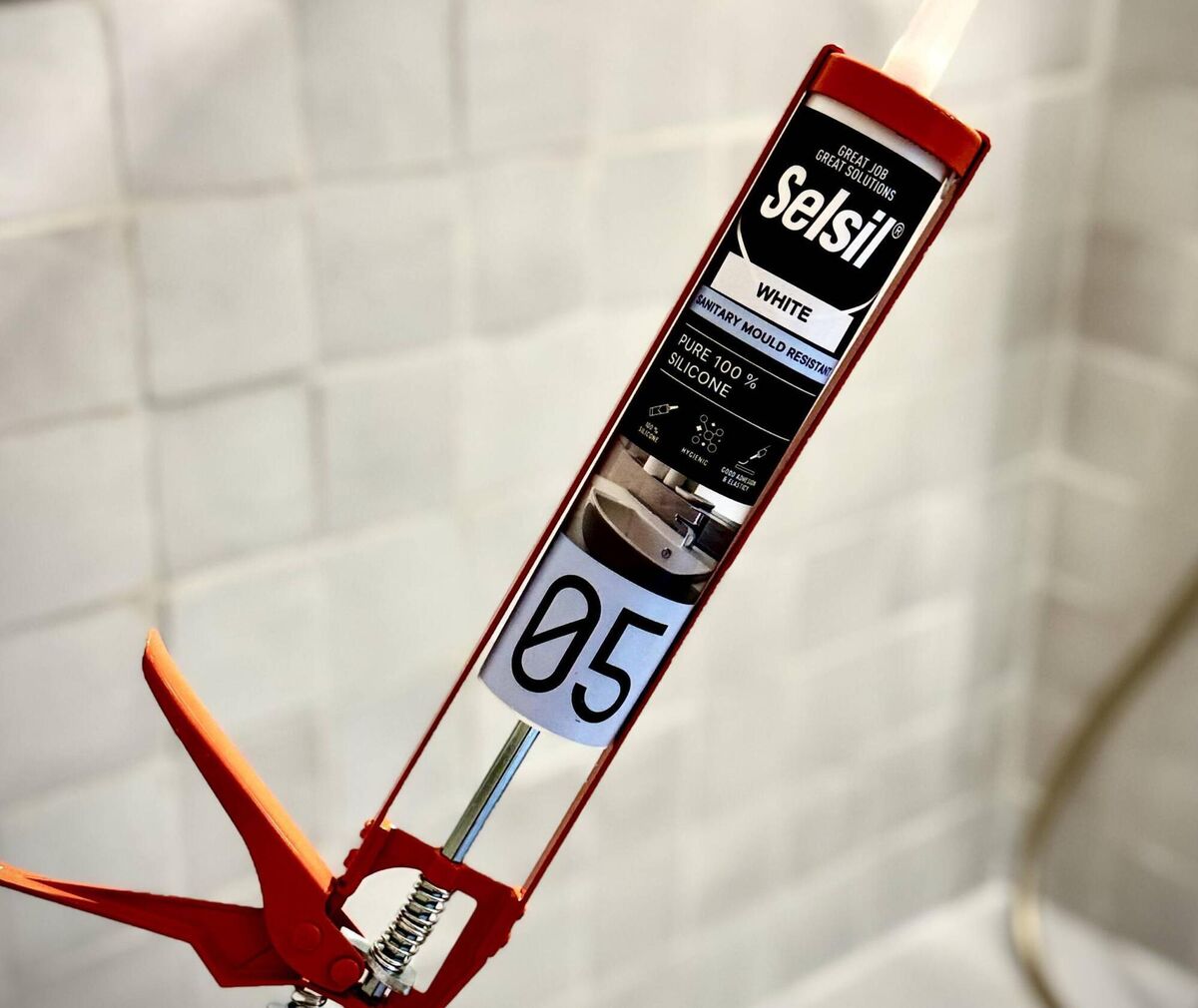
Colour is worth thinking about too. White is classic and reads very clean when freshly applied, but may be a stark contrast to your grout or tile. Clear can look sleek, but it tends to discolour and look grubby over time. There are also softer shades now — warm whites, greys, tones that read closer to grout and may blend in more discreetly depending on your bathroom finish.


CONNECT WITH US TODAY



Be the first to know the latest news and updates