Jennifer Sheahan: DIY lighting changes that cost little but give your home a luxury feel
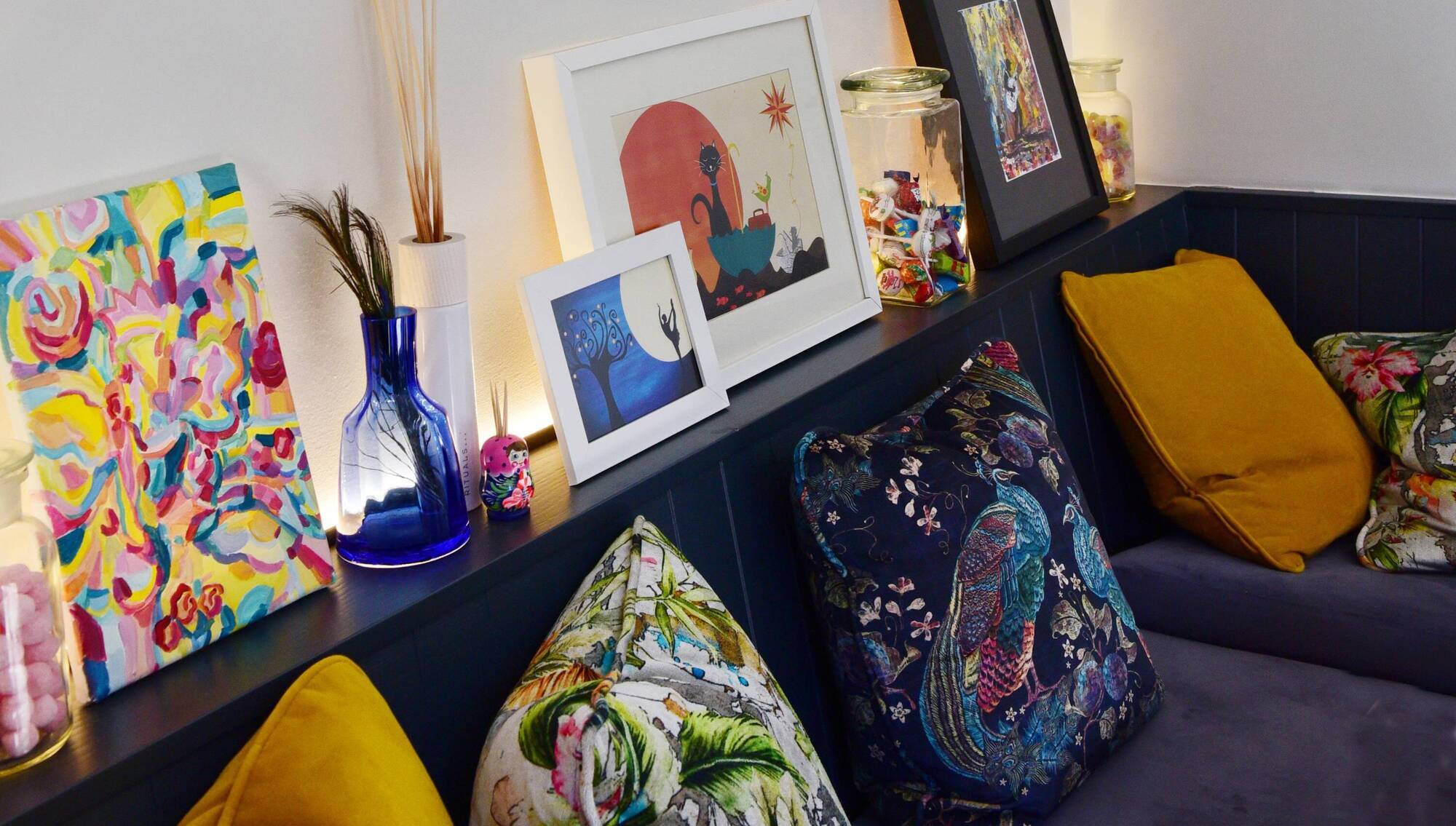
Good lighting does not have to be expensive, says Jennifer Sheahan. Picture: Moya Nolan
Lighting is the design category I bang on about more than any other, because it is too often an afterthought but is the single most impactful change you can make to elevate your interiors. Of everything I changed in my little 1890s cottage, the lighting is still what I'm proudest of. Spending time and brain-power (though not necessarily lots of money) on designing layers and getting the tone right makes each room feel about three times more expensive than it actually was. If I do say so myself.
Many lighting decisions should be made early in a renovation. But what about later, when you’re not renovating? What if you don’t want to rip open your walls, and even if you did, who can get an electrician anyway? The good news is that if you’re staring at your house wanting to make a change, there are plenty of quick fixes you can do in an afternoon, and on a budget too. Here's where to start.
Every house has at least one switch in a mad spot. Perhaps it’s on the wrong side of the kitchen, or maybe you have to cross a dark living room to turn off a lamp at night. Moving a switch properly means ripping off the plaster (literally) and chasing wires through a wall, all of which requires not only an electrician but a plasterer and a painter.
Enter the smart plug. They come in many shapes and sizes, and if your light is hard-wired, you can swap out your existing bulb for a smart bulb.

Smart plugs and bulbs let you turn off your light with your voice, or from your phone, or you can also install a wireless smart switch if you prefer things to feel old-school.
Ikea has a great range, as does Philips Hue, as do plenty of hardware shops across the country. If you’re new to the smart game, ask for help in a shop you trust. It might take a little setting up, but it will make life easier from here on out, and no walls need to be ripped up.
When swapping fixtures and switch plates, here's what you can and can't do yourself.
Safety first: anything involving the wiring behind your walls, or work in a bathroom or kitchen zone near water, is a job for a registered electrician, full stop. Don't be tempted otherwise, no matter how confident YouTube makes you feel.
That said, a straightforward like-for-like swap — taking down a dated pendant and putting up a new one on the same wiring, or replacing a tired switch plate with a nicer one — is something many of people do themselves competently.
To do this safely, first make sure that anything you buy has a CE safety mark on it. Always isolate the circuit at the switchboard (or fuse board) before you touch anything — do not just flick the wall switch off. Use a voltage tester (cheap to buy online) to double-check that the wires are not live before you go near them.
Take a photo of the existing wiring before you disconnect anything, so you know exactly what goes where when you reconnect. Follow the instructions on your light fixture or switch plate, and connect everything accordingly. Enjoy your new upgrade!
This is the easiest, cheapest, lowest-risk win on this list. I have done this in almost every apartment I rented before I bought this house, and it's a two-minute job that you can easily undo if you don’t like it.
The only slightly annoying thing about swapping lampshades is that not all lampshade fittings are created equal. There are different sizes and shapes to contend with, so I recommend measuring yours and taking a photo of the shape and size before buying a new one.
I have picked up some smashing lampshades in second-hand shops in my lifetime. I also adore Shady and the Lamp (I’ve never met a fringe or a tassel I didn’t like, and if you’re the same, then you’ll find something you love here).

If you’re feeling creative, you could take a lampshade-making class.
Lampmasters.ie and Woodies both have a wide range, and you don't need to spend more than €20-€30 to notice the difference.
Rechargeable lamps are my favourite invention.
Adding more lamps to a room is never a bad idea in my book. But it’s not always possible if you don’t have sockets in the right places.
For years we saw slightly commercial-looking rechargeable lamps on the tables of cafes and restaurants, and they were fine. They did the job to light the tables. They didn’t blow me away, design-wise. That has all changed in the past year or two.
A rechargeable lamp with no cable means you can put light exactly where you want it — on a shelf, on a table, on a bookcase — without hunting for a socket or trailing an extension lead across the floor.

Most run for eight to twelve hours on a charge, but you should check the specifications to be sure. The designs these days are fantastic. I’ve seen stunning high-end alabaster lamps (POA) all the way to affordable lamps in M&S and Next Home starting around €38.
I’ve even seen beautiful wall lamps — you screw in a bracket into your wall, and the lamp pops out when it needs to be recharged. Babington do very nice ones, and Next Home has a lovely range.
Dimmers and smart bulbs — small buy, big difference.
If you take one thing from every lighting piece I've ever written, let it be this: warm bulbs make a room feel like a home, and cold ones make it feel like a waiting room.
Look for bulbs rated 2,700 kelvin or below. If you want a range of lighting temperatures in your room, a smart bulb can be screwed into your existing fitting with zero rewiring, and most of them let you dim the brightness and warm up the temperature as you please.
If you'd prefer a physical dimmer switch rather than an app, that's a wiring job, and I recommend hiring an electrician, but it's a small one to add and doesn’t require any walls to be ripped up — you can just swap out your existing switch.