Peter Dowdall: August offers us a unique perspective on our room outside
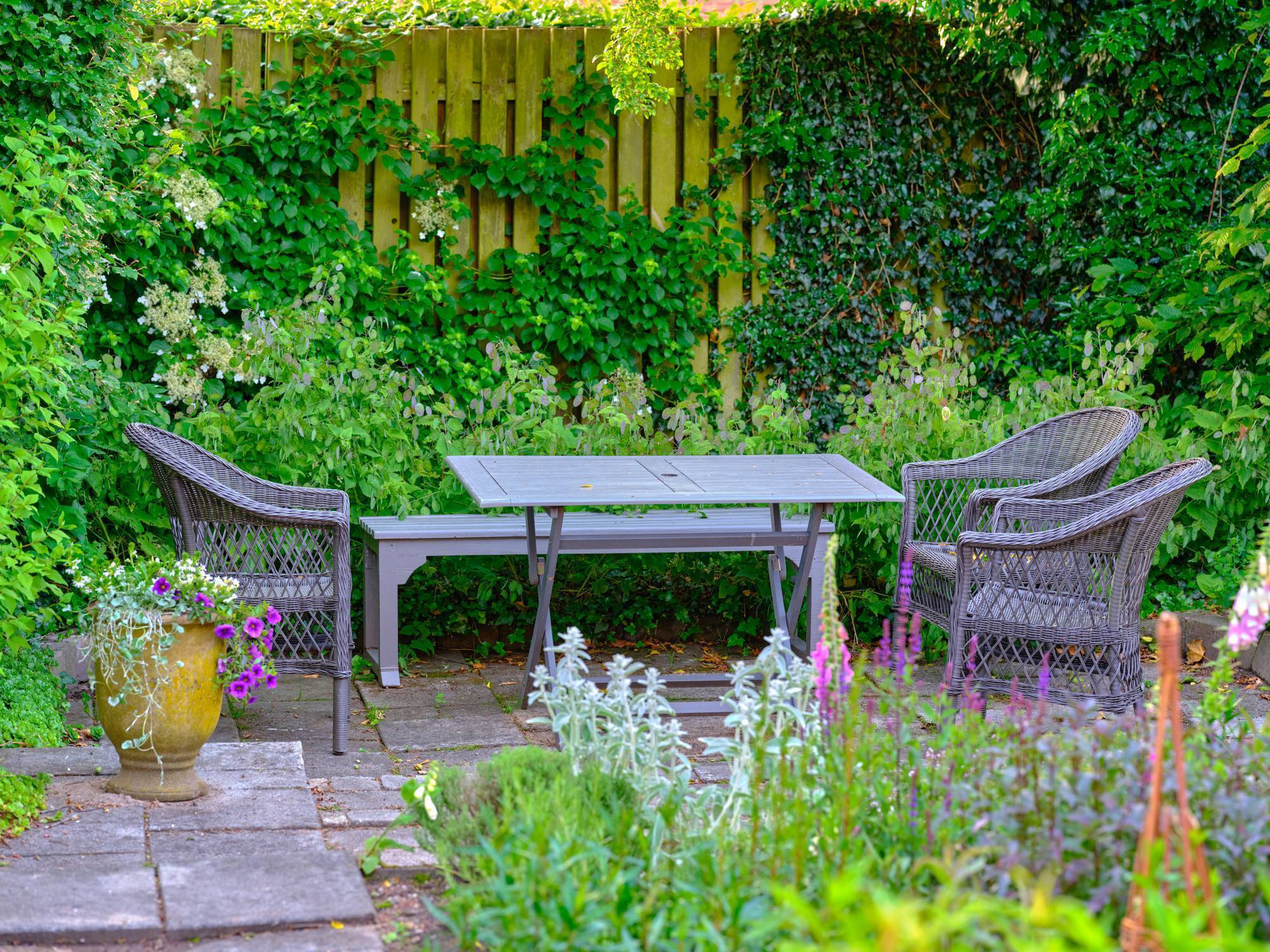
August offers an ideal time to sit and relax in the garden, without the distraction of our phone or secateurs, says Peter Dowdall. Picture: iStock
Sometimes the most important gardening job in August is to sit still.
That might sound like an excuse for avoiding the weeding, watering, deadheading, staking and tidying that still need doing at this time of year. There is always something looking for attention in a garden, but if you don’t take a moment in August, you may miss the opportunity.
The opportunity to just enjoy your space and to simply “be” in the moment.
Though high summer is behind us now, August is often one of our finest months, with warmth, colour, growth and abundance still very much present. Technically, though, it is the first month of autumn. Whether you think of it as late summer or early autumn does not really matter, but by the end of the month there is no mistaking that the season is changing. The world is turning, temperatures begin to drop, the evenings shorten and perhaps most tellingly, the light changes; there is a different feeling in the air.
That is why we should not rush through it; sit in the garden for ten minutes. No phone, no secateurs, no list, just sit somewhere close to the planting.
Stop to notice things: the colour, the scent, the movement of taller perennials in the breeze. Bees moving from flower to flower, hoverflies hanging in the air, butterflies flitting about and birds working their way through the garden.
That is when you see that a garden in August is not just a collection of plants; it is a living, moving system, and it is also when you begin to notice which plants are really carrying the garden at this time of year.
It may be the marjoram, alive with bees from morning until evening, or the lavender still holding scent and colour in the sun. It may be echinacea standing strong above lower planting, offering landing pads to insects as well as structure to the border.
Verbena bonariensis is one of those plants that shows its worth when you stop and watch. From a distance it seems light and airy, almost see-through, but look more closely, and you will often find butterflies moving through it. Scabious and Knautia have that same open, relaxed quality. Their flowers are not complicated or overblown. They are beautiful, useful and full of movement.
Sit beside a clump of thyme in flower and see what comes to it. Watch borage on a warm day, and you will understand why it is so often recommended for bees. Look at fennel, with its soft, airy growth and yellow flowers, and you begin to see how a plant can bring height without heaviness. Stand near Buddleia on a warm August afternoon, and there is a good chance you will see why it became known as the butterfly bush.
As we are becoming more and more aware of the ecological and environmental importance of gardens, August is a good month to think about it, because the evidence is right in front of us. You can see which plants are being visited and which parts of the garden feel full of life.
Gardens are too easily turned into another list of tasks. Cut this, pull that, water those, tidy over there. There is pleasure in the work, of course, and most of us gardeners really enjoy it, but the garden is not only a place where jobs happen, it is also a place where we can recharge.
The garden is not separate from the wider world, and neither are we. We and it are all part of the same tapestry.
Sit still for a while and tune in to smaller things: a stem bending under the weight of a bee, the flicker of a butterfly, the sound of leaves moving above you. These are not dramatic moments, but they can change how we see the garden. A flower is no longer just a flower; it becomes a feeding point, a meeting place, part of a much larger web. Once you notice that, the garden feels different; it is no longer just something to manage or improve, but something alive around you, drawing our attention outward and into the living world around us.
August will pass, the light will shift, the evenings will draw in, and soon we will be talking about autumn planting, leaf fall, pruning, compost and all the other jobs that come with the next turn of the year, but before that happens, take the opportunity that is here now.


CONNECT WITH US TODAY



Be the first to know the latest news and updates