Peter Dowdall: We always remember the best gardens for how they made us feel
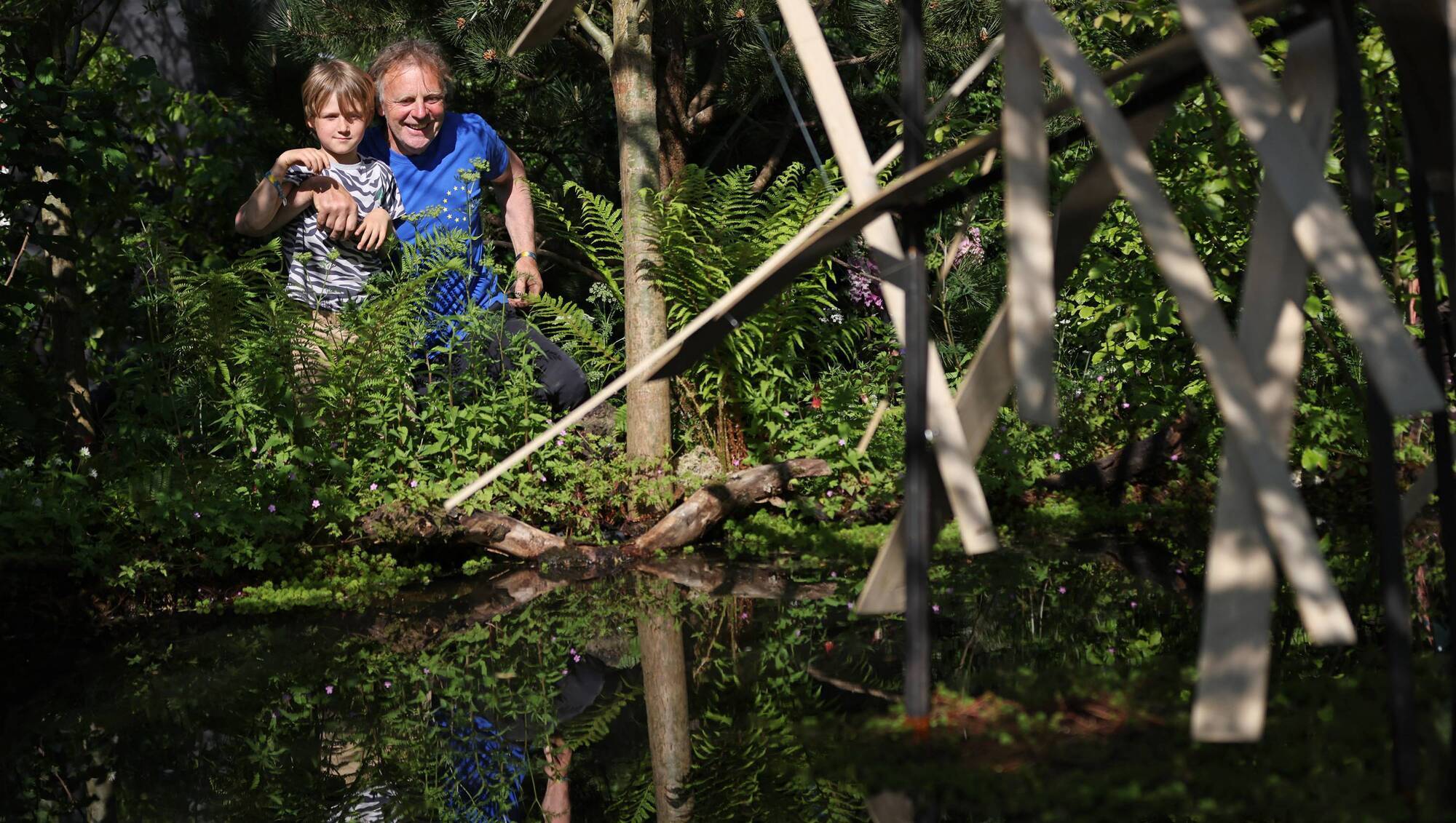
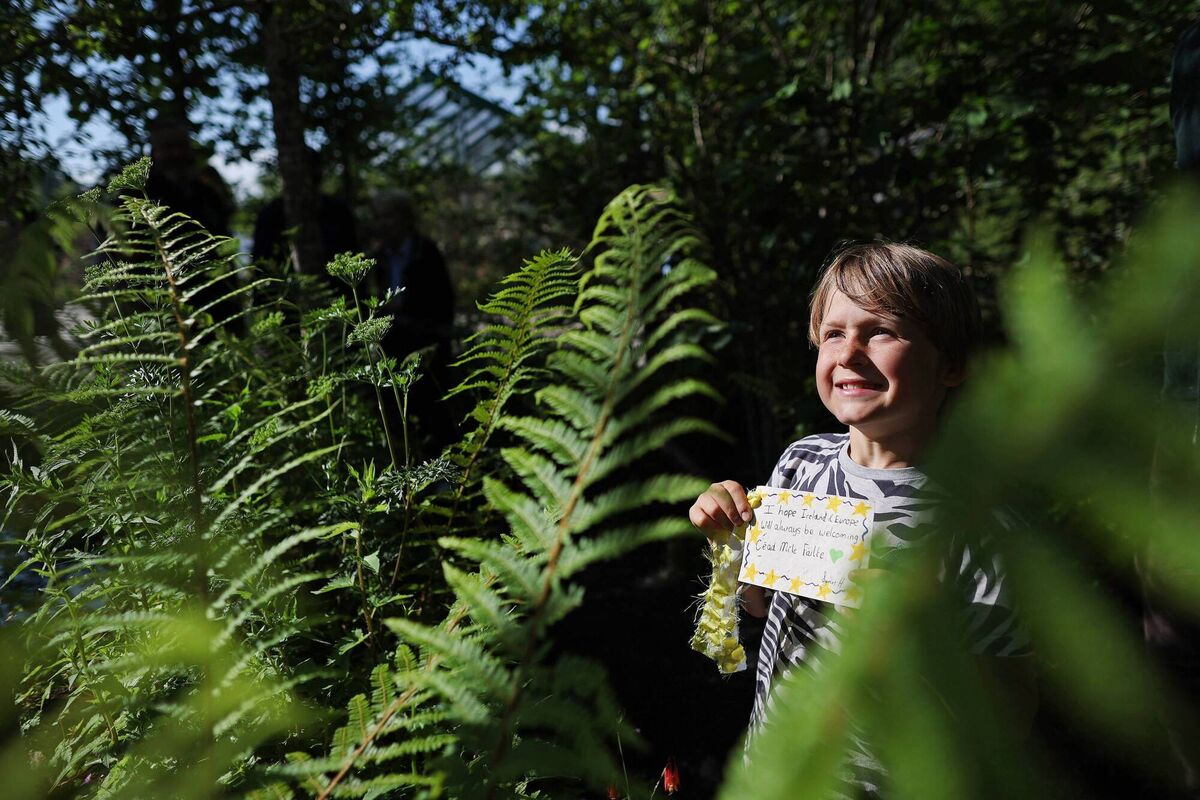
Yonah (7), grandchild of Liat and Oliver Schurmann, looking at the double-gold-medal-winning Shared Roots, Common Shade garden.
Of all the gardens at Bloom this year, one in particular stayed with me long after I had left the Phoenix Park.
Not because it was the most colourful, nor because it featured the rarest plants, or because it was packed with clever design tricks or eye-catching features.
It stayed with me because of how it made me feel, and that’s what a good garden should do: it should make you feel something; it’s not just something to be looked at in a photo or on a smartphone.
Designed by Oliver and Liat Schurmann, Shared Roots, Common Shade was created for the European Commission and went on to win both a gold medal and the Overall Concept Award at Bloom 2026.
What was nearly unique about this garden was that it was a garden you couldn't fully appreciate from the outside.
Read More
Most show gardens are designed to be viewed from the path. You stand at the edge, admire the planting, take a photograph and move on to the next one.
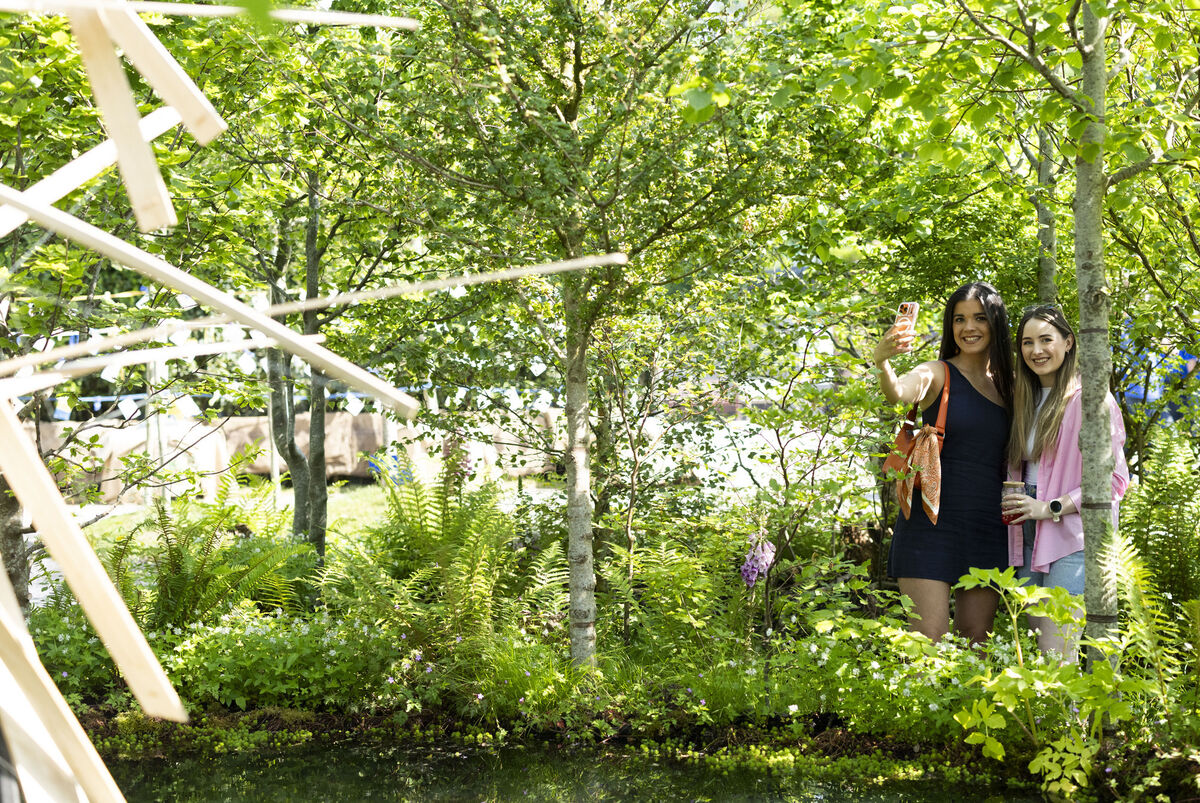
This garden invited you in, and it was only when you stepped beneath the trees and followed the pathway through the centre of the garden that it began to reveal itself. In many ways, it felt less like a show garden and more like a small woodland that happened to have appeared in the middle of Bloom.
The designers used 27 trees, representing the 27 member states of the European Union, but regardless of the symbolism, the effect was remarkable.
The moment you entered the garden, the atmosphere changed; the noise from the crowds was muffled, the bright sunshine that accompanied much of this year's Bloom became filtered through layers of foliage overhead, temperatures felt cooler, and the light became softer.
Perhaps, most importantly, there was a genuine feeling of shelter, just what the sponsor wanted and the designers achieved.
As gardeners, we often talk about shade as though it is something to be avoided. Many people arrive at a new garden dreaming of sunshine and immediately start wondering how they might remove trees or open up darker corners.
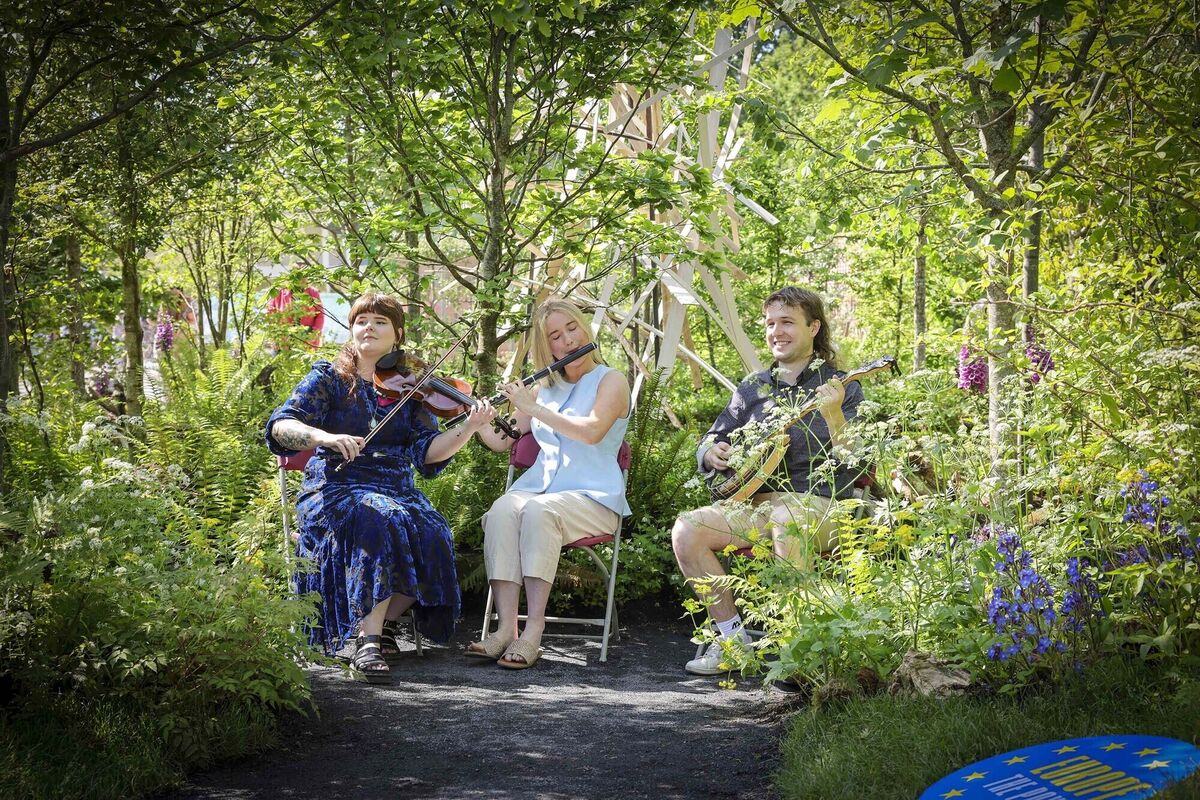
Yet standing in this garden illustrated that shade has tremendous value.
Shade can be comforting, calming and can create places where people naturally slow down.
There was something instinctively reassuring about being beneath the canopy created by those trees. You felt protected, safe and relaxed. It was a feeling that many visitors seemed to recognise immediately, as I ascertained from my eavesdropping skills.
That shouldn't surprise us, as for thousands of years, trees have provided shelter for people. Long before we built houses, woodland offered protection from wind, rain and excessive heat. Maybe some part of us still responds to that sense of refuge.
Whatever the reason, this garden managed to create an emotional response that many gardens strive for, but few achieve.
The planting beneath the trees played an important role, too.
Rather than competing with the canopy above, it worked in harmony with it. The understorey planting felt natural and appropriate, reinforcing the woodland atmosphere rather than distracting from it.
Nothing felt forced or overly designed; instead, there was a sense that everything belonged together.
What impressed me most was the confidence of the designers behind the concept.
Creating impact at a flower show often means producing something bold, dramatic or instantly attention-grabbing. There can be a temptation to fill every space with colour, sculpture or features that demand attention.
This garden took a different approach, and its greatest strength was restraint; the designers trusted the trees to do the work.
They trusted visitors to enter the space and experience it for themselves, and they trusted that atmosphere could be every bit as powerful as spectacle.
They were right, they nailed the brief.
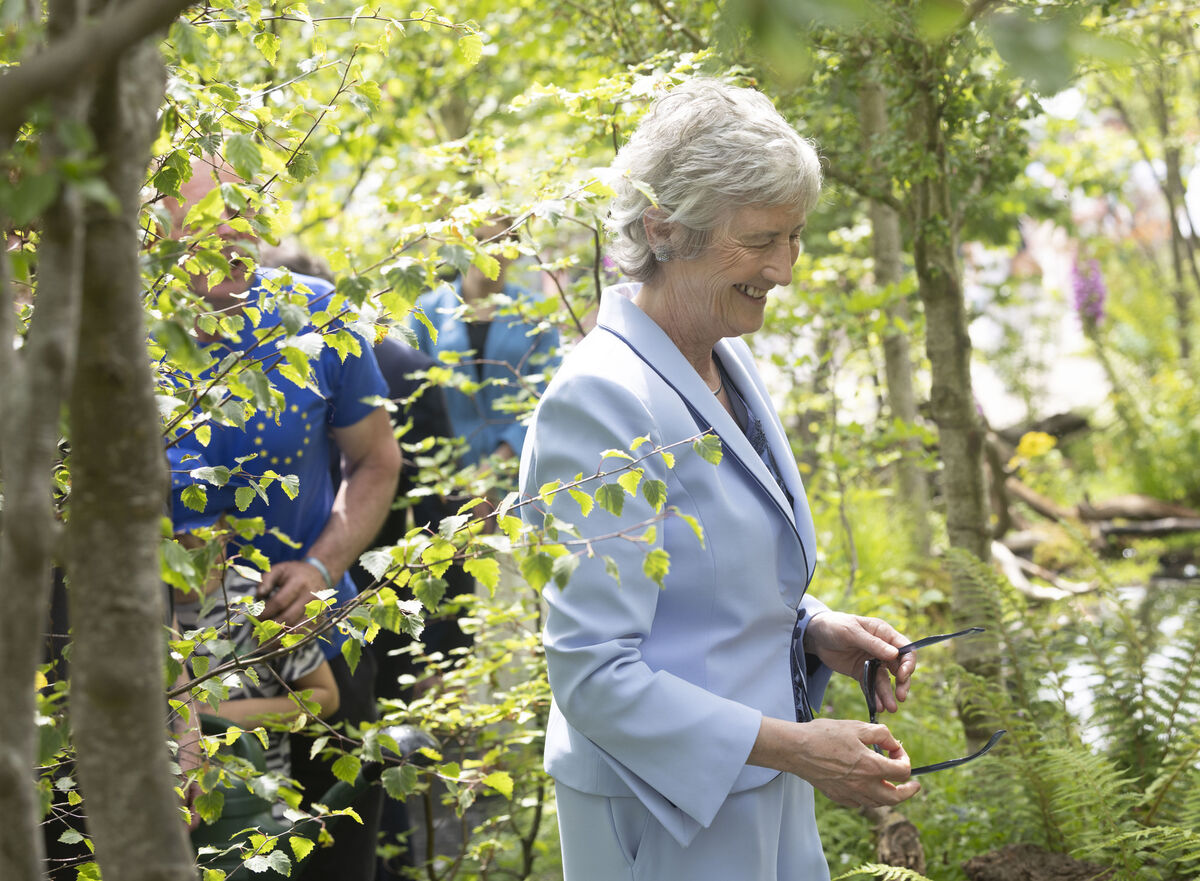
Two weeks on from Bloom, when many of the individual plants and displays have already begun to blur together in my memory, I can still picture standing beneath that canopy, I can still remember the feeling of stepping from the bustle of the festival into a space that felt unexpectedly peaceful.
In an age when gardens are often judged by how they look in a photograph or on social media, Shared Roots, Common Shade served as a reminder that the best gardens are not always those that photograph best.
A garden can be beautiful, but beauty alone is not always enough; the finest gardens engage more than our eyes, they influence our mood and encourage us to linger a little longer than we intended.
Whether visitors connected with its wider message about cooperation, long-term investment and shared futures is almost secondary, but the concept needed no explanation; it was obvious to all.
This garden demonstrated something fundamental about gardens and green spaces: they are not simply collections of plants; they are entire ecosystems.
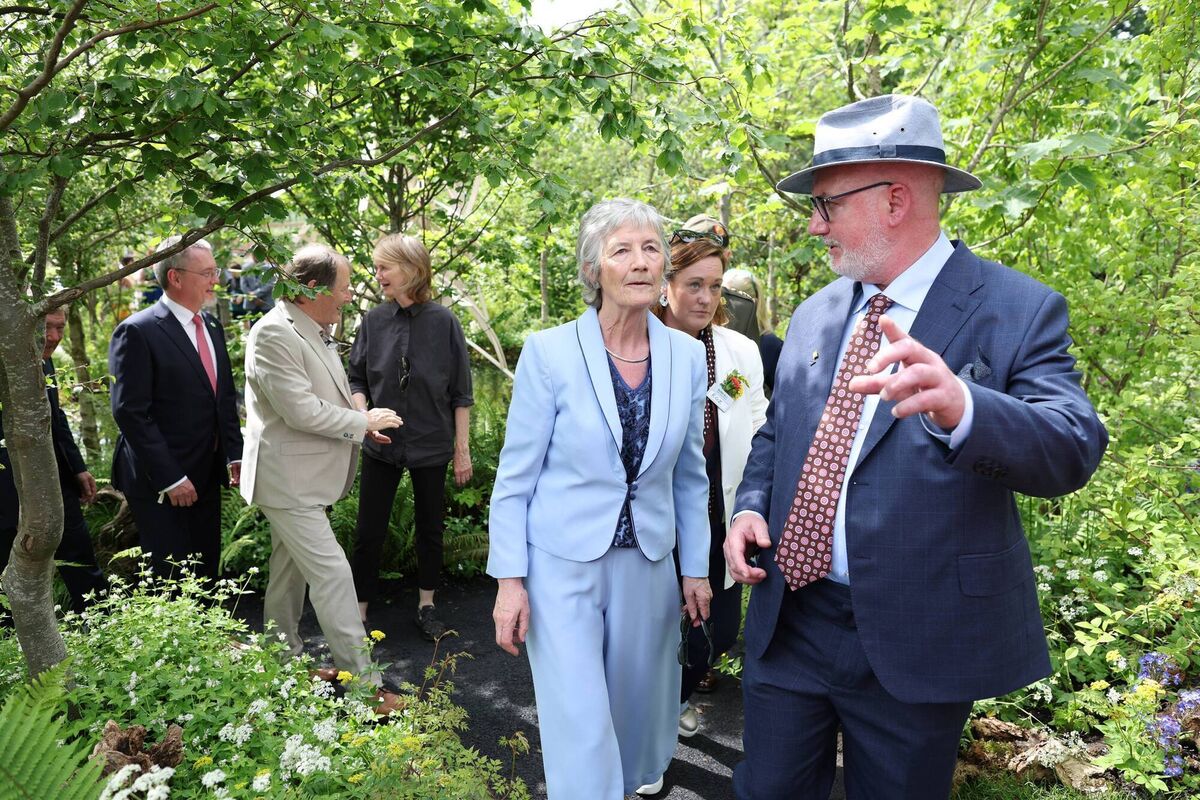
Standing beneath those trees at Bloom, surrounded by dappled shade and natural planting, provided a sense of calm that is increasingly difficult to find in modern life, and perhaps that is why, of all the gardens I visited this year, this is the one I remember most.

CONNECT WITH US TODAY



Be the first to know the latest news and updates