Home Q&A: How to create a good relationship with your neighbours
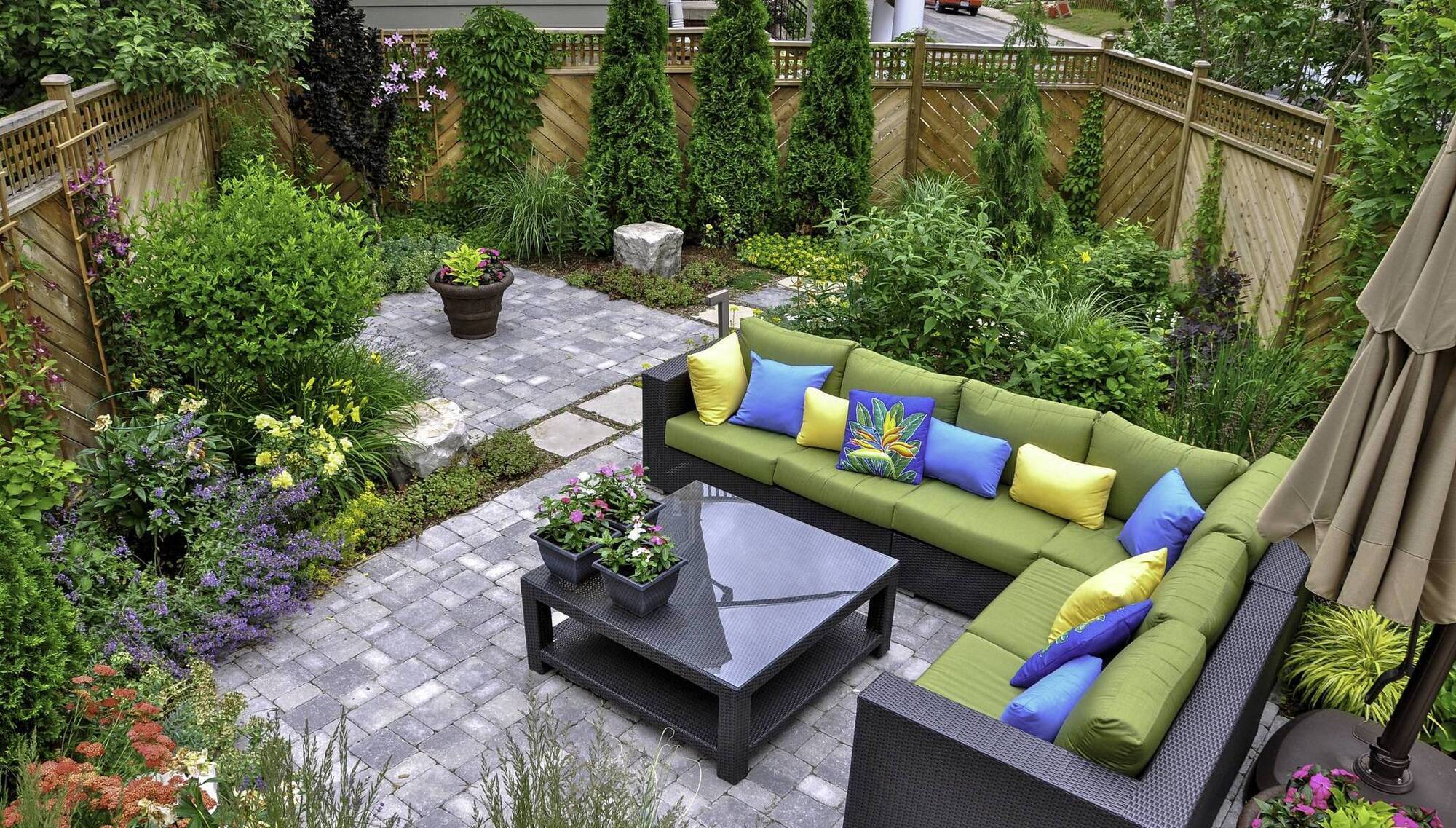
Being over-curious, borrowing and failing to return tools and other items, and expecting too many favours can dent neighbourly good feeling. File picture
Neighbourliness might not be what it was 30 years ago, but living in close proximity to others still counts for something. So how can we regulate these relationships over the garden fence and be the best of friends this summer?
Feeling your privacy is up for grabs is stressful at best. When siting trampolines, slides, and even throwing up chairs on a make-shift roof garden, consider your close neighbours’ point of view. Play equipment can be a real point of contention.
Climbing frames and the arc of a swing can provide kids with a unique viewing platform. They really enjoy that mischievous sense of surveillance.
Trampoline springs have a hideous, repetitive squeak which, matched to the sight of your grinning kid hurtling above the feather board, could ruin a summer’s day.
Kids play, but have a heart. Consider placing play equipment near privacy screening, ground sink and net trampolines (much safer) and grease springs and tighten bolts to reduce racket. What about a curfew?
Ensure outdoor security lights and cameras are directed away from other people’s gardens.
Cooperating on security measures can be a fantastic win-win, and it doesn’t have to mean over-involvement or a high degree of responsibility. The cross-over point seems to be acting as a key-holder for someone’s alarm system. Key-holding requires you to stand over false alarms if your neighbour is away. We don’t have to commit to this level of team-playing to see off opportunist criminals (it’s a good idea to have the key-holder’s number and emergency keys all the same).
Start with measures that do not require you to cross the threshold. Parking your second car in a neighbour’s drive during their absence will unnerve anyone eyeing the house, as it indicates occupancy.
Put the bins out on the regular bin day for each other, collect their mail if it’s visibly piling up, and overall — keep your eyes open, and their contact details on speed-dial.
If you had a child with a serious respiratory illness, and your neighbour started to have weekly BBQs, burning green wood and creating a serious amount of smoke? You see where I’m going with this. Your garden is yours, but given combustion and a light wind, it soon becomes everyone’s issue, which may prohibit others from using their outdoor spaces. Gas cooking, though not the most sustainable choice in BBQ life, creates less choking particulate matter.
Equally, your dog might be allowed to bark outside the hours of dusk and dawn by law, but this could be mental torture for someone working from home.
If you get a legitimate, reasonable complaint, take it seriously.Regard these places as shared spaces when it comes to air quality and noise. Think twice about ripping that cord or firing up the ICE strimmer in the early hours of Sunday morning.
Battery-powered and corded equipment is whisper-quiet by comparison with zero emissions at the point of use.
It’s the oldest hack known to estate life. If you’re going to create havoc and even light up an entire afternoon roaring and frolicking — invite the neighbours too.
They may well refuse or just not turn up (don’t be hurt or insulted). The gesture is a balm on the alternative of simmering resentment, especially if you regularly throw a horticultural hooley, or an actual visit by a lobster-faced stranger demanding you kill “Fernando” or they will.

These are the kinds of relatively unimportant, little incidents that can endure in memory for years, wrecking the conviviality of a semi-detached friendship.
It’s reasonable to have a cut-off point for live/amplified music agreed upon, encouraging guests to settle in and wrap up in rugs around the fire pit.
One car in a pinched development can cause unexpected strain. Like it or not, and even where they don’t “own” that few metres outside the gate on a public road, people get highly territorial about parking near their home or being blocked in even once by inconsiderate parking. It’s such a simple thing to just let your near neighbours know that you have a couple of extra cars/a camper/a caravan staying for a long weekend or a wedding period. They may surprise you and offer you a bit of driveway to ease the pressure (this was my experience some years ago). You don’t have to love your neighbour, but you should at least respect them.
Fencing is something many of us renovate every second summer or so, and it’s a two-sided issue. If you share a fence, it makes sense to get your neighbour involved before setting out on repairs or even painting. With wood fencing, sprays and brush-on treatments will leach through the timber boards. This dribbling mess will have to be rectified. Not a pleasant sight returning exhausted from work.
Two metres is the maximum height for a back garden partition. If we start going over-height or whack up a cheeky bit of trellis with a climber to play with the top figure, you can expect a reaction if light and views start to suffer. Plants and hedging may get higher (naturally).
If your neighbour asks you to reduce the intrusion of high planting or points to a tree limb from your side that’s leaning on the top of their shed, have the conversation, assign responsibility, and find a friendly resolution. Ridiculously small issues can bound into litigation without communication and reasonable expectations.
Many of us fear becoming too involved with an overly intrusive neighbour, while others stroll into the relationship assuming genuine friendship as standard. They don't have to love you. Borrowing tools, love-bombing, expecting too many favours and just too much social interaction can dent and eventually upend all good feelings, leaving them diving behind the couch at the sight of your approach through the front windows.
Not everyone enjoys the feted Irish tradition of “dropping in”. I’ve heard more complaints about unannounced door-stepping down the country than I ever did as a city dweller. Try texting before materialising, and if you’re repelled with excuses — walk away.
If you are going to make major changes around the outside of your home this summer, and I’m thinking here about the still-contentious exemption of back-yard cabins from planning permission, communicate with your immediate neighbours.
Tell them as soon as you are sure something is about to launch that might in any way affect them, even if it’s a few weeks of extra parked vehicles. Springing an unexpected site notice, or worse still, craning in a 45sq m log-home 2m from an urban garden fence without a word — it’s not considerate. It says — “You don’t count”.
Flagging up external improvements or significant landscaping work includes your neighbours. Give them time to adjust, to find out more, and negotiate some simple conditions that could make an enormous difference to a contented future between the families.