Home Q&A: Porcelain and ceramic tile style for every room
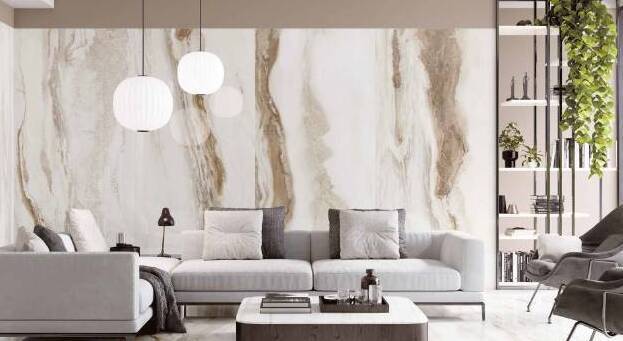
Nebula almond, 120x280, €165.95 per sq yd, XXL slabs, porcelain, City Tiles and Bathrooms, Cork.
Approaching tiling, one of the questions we are asked most at is what is better, ceramic or porcelain tile. The truth is that both of them are excellent materials (and to confuse matters, both are actually ceramics). Still, room by room, surface by surface, and depending on your skillset, one will sit out as a better choice. There are also several character tiles, for example, terracotta and Zellige (technically a glazed terracotta), which might throw you into the arms of ancient earthenware and even bricks. Let’s see why materials matter.
Let’s start with the hard stuff, porcelain, as it’s riding high right now. Why is porcelain so venerated? Well, it’s the firing time.
Porcelain tile is comprised of a mixture of kaolin, feldspar and silica, generally in a very fine clay. When this is put under pressure to push out as much air as possible, and then fired at over 1200C, porcelain vitrifies and becomes exceptionally hard, impervious to water. The glaze runs right down through the tile's top surface, fused on like glass.
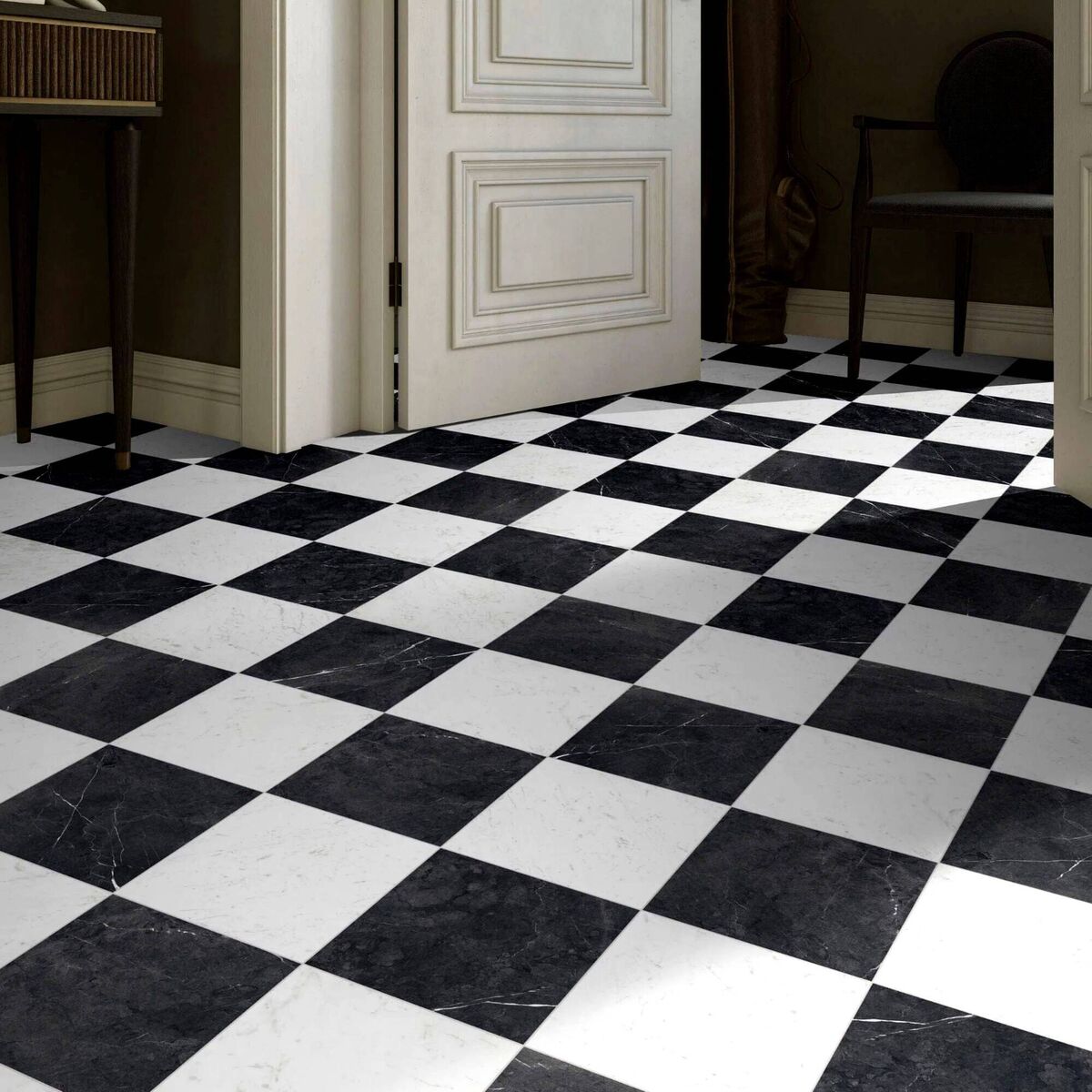
We look right into these glazes (rather than reading a digitally printed pattern). This allows porcelain to mimic complex, crystalline materials like marble and various stones and even fibrous wood with exceptional clarity.
The glazes on porcelain are less likely to scratch and stain than cheaper ceramic tiles, and dense, tough porcelain tiling is exceptionally strong, making it perfect for both the pressure of high-traffic flooring and (when combined with the correct grout) waterproof for a walk-in shower.
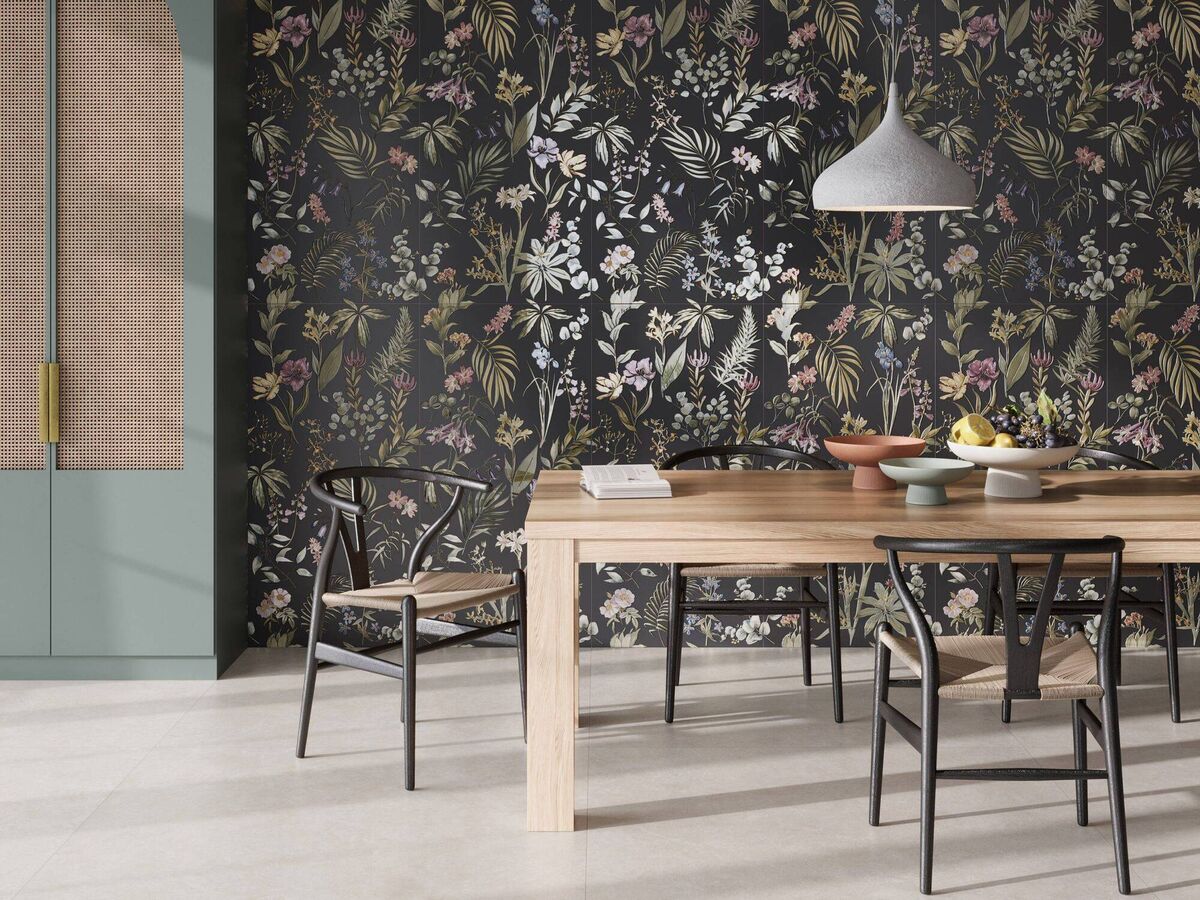
Outdoors, porcelain is the go-to for its frost-resistance, as water cannot penetrate its structure and freeze, breaking it apart.
Running your tile inside to out? Porcelain indoor tile can run right into a thicker 20mm plus paver tile undetected in a sleek finish.
So, what’s the downside? Being dense means porcelain is relatively heavy (with fewer hair pockets than ceramic tile).
Can it break? Absolutely. If it’s on a floor with almost no grout lines (rectified) and the floor moves, pitching one tile against another with nowhere to go (lippage), or a heavy cast-iron pan bounces onto it (high-impact damage), it will crack and chip.
Tiles gain much of their strength from acting together like a single, stable surface. When the substrate fails or pockets in the adhesive collapse, individual tiles may become vulnerable and move.
Laying a porcelain floor if you’re not a demon with levelling compounds and a diamond-edged, water-cooled saw, it will be a challenge.
Porcelain is hard to cut, it’s heavy and being that bit more expensive, you can forget the 10% wastage — you could be cheerfully wading into a significant loss learning on the job. Imagine cutting around a radiator pipe? Good luck. Porcelain, being hard and glassy, doesn’t hold heat. It’s great for UFH, but colder to the touch on bare feet than ceramic otherwise.
Ceramic tile is in the same family as porcelain; it’s just made largely from a coarser clay, mixed with sand, dyes and talc. Even fired at up to 1800C and vitrified, it is not as well-muscled.
Ceramic is not put under the same high pressure as porcelain during its making and is therefore less expensive to produce. For all these reasons, it’s generally cheaper for you to buy at the tail end of the manufacturing process.
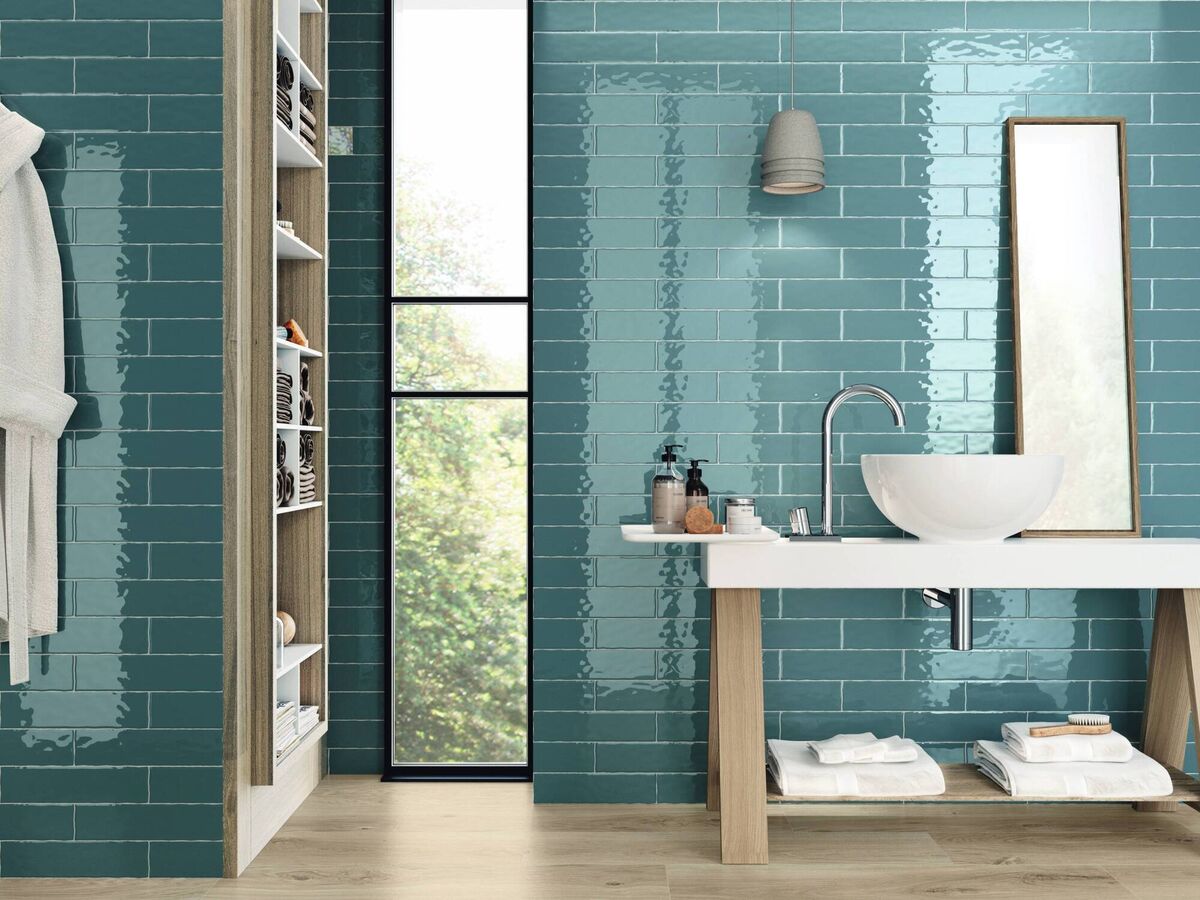
There’s no shame in choosing a gorgeous ceramic tile for the right spot — it’s not necessarily a lesser choice, and star ceramics from some design houses can even cost just as much.
Ceramic has serious advantages due to its lightweight and less dense cross-section. In short, it’s cheaper and easier to cut because it is not as resistant to mechanical damage with your amateur tile cutter and scoring tools.
Tiling upstairs on a suspended floor, ceramic can be teamed with a flexible grout, and taken over marine-grade ply.
I’ve always used ceramic tile for smaller wall projects on the dry side of my kitchens and bathrooms, if I cannot afford a trade.
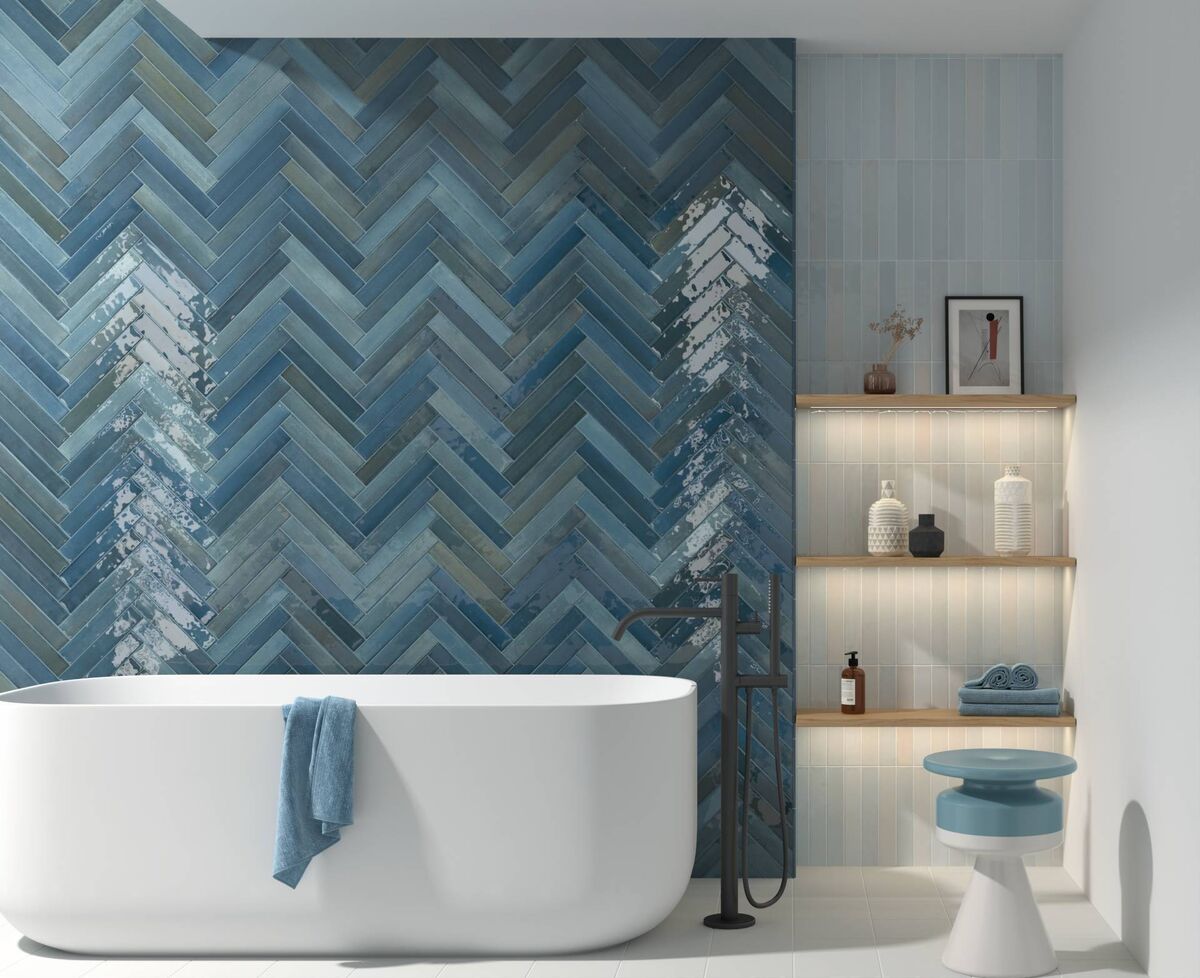
The choice in colour, scale and textures is affordable, infinite and downright exciting. For extensive flooring galloped across night and day or tile-in showers — I pay a guy or gal, and it’s a slip-resistant, durable porcelain.
For an experienced DIY weekend warrior, ceramic tiles are more approachable to cut, shape and pop up on plaster and waterproofed plasterboard than a heavier porcelain tile in a kitchen or bathroom. They can be neatly combined with a sumptuous drench of one ceramic design up the walls and tougher porcelain on the floors.
So, the cons with ceramic? There’s a trade scale called the Mohs hardness scale, and where porcelain scores a seven or an eight, ceramic is more likely to be rated at a five or six.
This doesn’t mean thick ceramic floor tiles snap like crackers, but it has less impact resistance when you’re rough on it, as it has few instabilities and voids in its makeup. Porcelain is very structurally stable, offering larger floor tiles than are possible in ceramic (with less visually irritating grouting lines).
Again, crudely installed and separated from its companions underfoot, ceramic can fracture, chip and even shatter. When it comes to floor situations and bathrooms, ceramic tile will pull in more water through imperfections in the glaze and grouting (spoiler alert — grouting is not completely waterproof — do your tanking people).
In fact, ceramic tile can admit as much as 6% of the water falling on it, compared to as little as 0.05% with an equivalent porcelain perfectly installed. With porcelain or ceramic — never put a tile marked as wall tile on the floor.
Both ceramic tile and porcelain tile make for excellent wall tiles in the right situation, but if you are doing flooring, examine the specs of your ceramic flooring against porcelain for porosity and hardness, if there’s a little elasticity to the budget.
Look at the whole-life cost of the project over 10-12 years to ease the pain. Price depends on size, type, and, of course, branding, and tiling is always on sale throughout the year. Bargains abound in excellent products. Just double that price tag for professional installation.
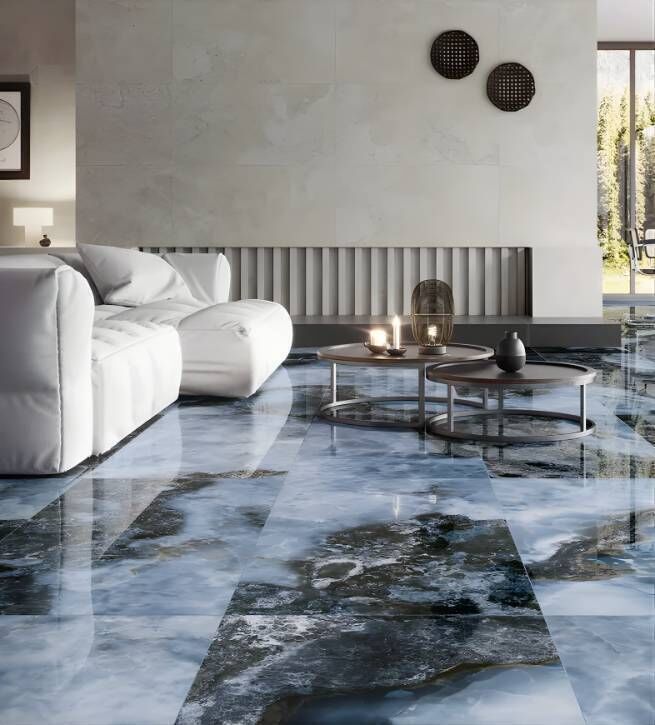
Moving into clay tiles like terracotta or Zellige — we are looking at magnificent clay tiles, but the moisture resistance here is relatively low as they have an open, porous structure.
They must be sealed with exquisite care to succeed and maintained carefully. That doesn’t mean they cannot be used just about all over the house.
In places with large amounts of dynamic, pooling water, like the shower, you are fully reliant on the sealing of the floor and walls to keep moisture out of the substrate (digging in here is expensive). Have a look at terracotta-effect porcelain tiling — a better buy in the long run.
CONNECT WITH US TODAY



Be the first to know the latest news and updates