Jennifer Sheahan: Get the mechanical plan right when renovating
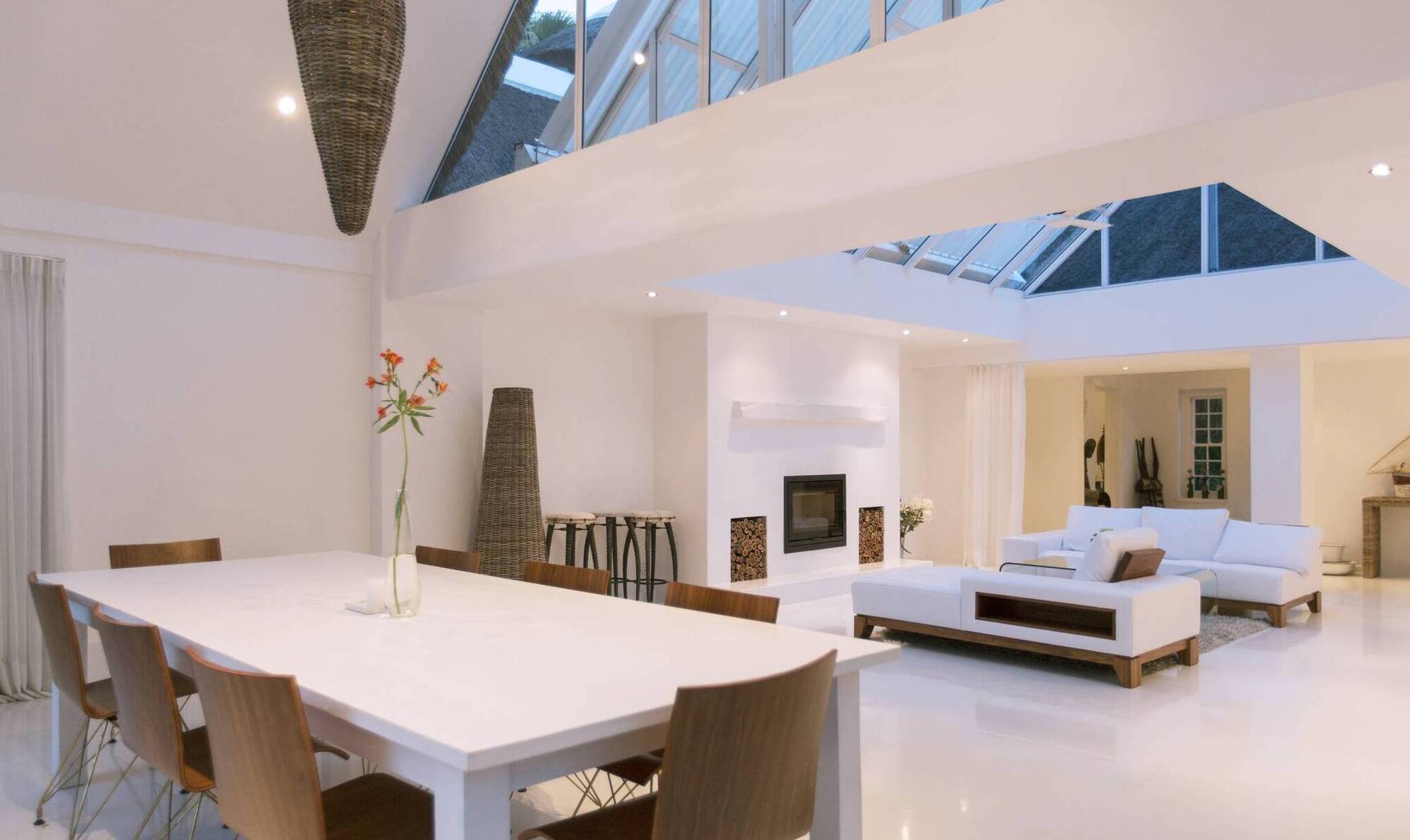
A mechanical plan refers to everything that moves water and heat through your house — sinks, toilets, showers, baths, heating systems and drainage. File picture
Having your electrical plan covered (in my previous column) may have been about the fun stuff — but now it’s time to roll up our sleeves and get dirty. The M in M&E stands for Mechanical (the E being Electrical), and while it’s far less glamorous than lighting and sockets, it’s arguably even more important. Plumbing, heating, drainage, water pressure, waste pipes… all the things that sit behind the walls making your home function properly every day.
Just like your electrical layout, mechanical decisions happen early — often earlier than people expect. Of course, your contractor or plumber will help you with these decisions, but mechanical plans have design and lifestyle impacts that you may not be thinking about at this stage in your renovation. That’s why it’s important to have these key decisions made early on — once pipes go into floors and walls, moving them later can be disruptive and expensive. Done right, this is something you really only have to think about once. Here’s how to approach your mechanical plan.
It sounds intimidating, but it simply refers to everything that moves water and heat through your house — sinks, toilets, showers, baths, heating systems and drainage. Just like with your electrical plan, you don’t need complicated technical drawings to get started. What you do need is a clear idea of where your bathrooms, kitchen appliances and radiators will sit. If something needs a waste pipe — a toilet, a shower, a washing machine — you should decide its location early.
You don’t need to choose your taps or shower fittings, but you need to know where they’re going. Of course, you want to put your bathrooms and appliances in places that suit you best, but there are knock-on implications that you need to consider too — specifically, where the pipes will go. That means when you’re doing your mechanical plan, start with where you want things to go, then go back and consider where all the pipework for those positions will be routed, and think about whether that will impact your home design in any negative way.
Shorter pipe routes generally mean quieter systems and fewer potential leaks. Long, winding drainage runs might work if needed, but be sure that you trust your plumber to do a good job, because they have a higher potential to cause headaches later.
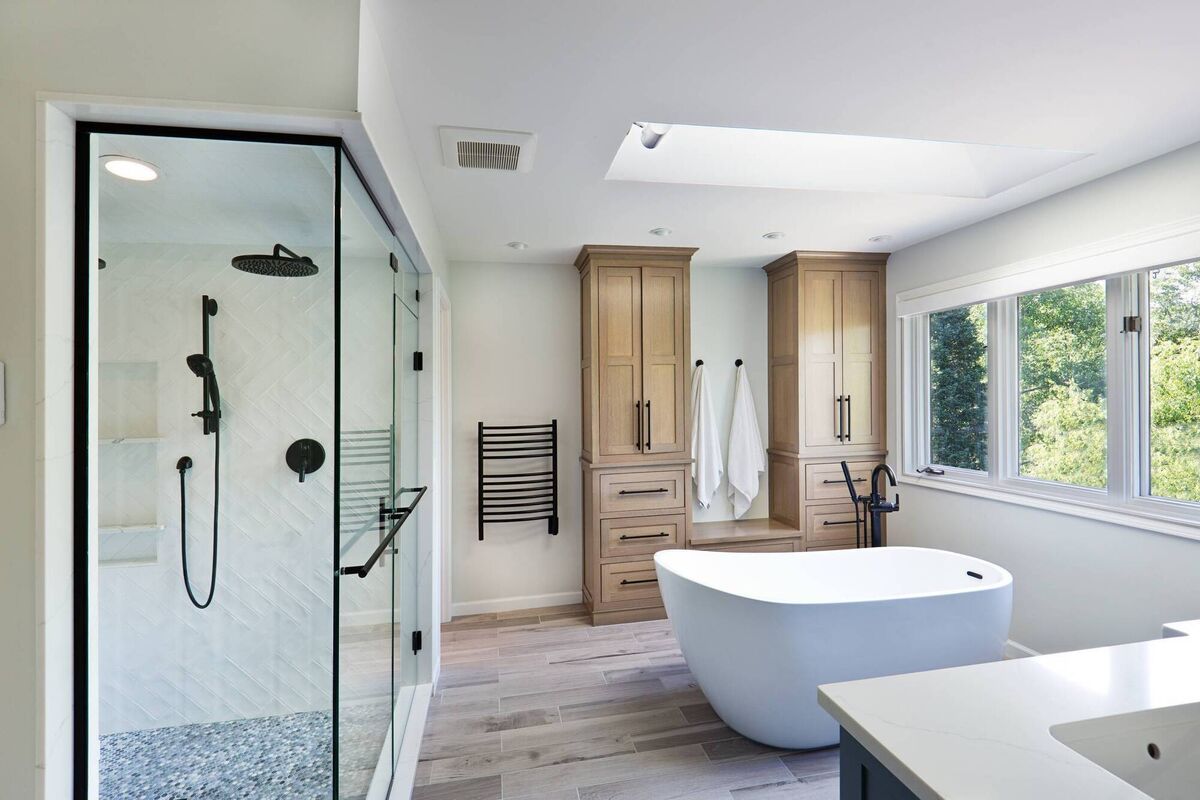
If a pipe will need to run under a floor, think about whether it will run parallel to the joists or whether the joists will need to be cut in to to accommodate the pipe. The latter is not a small job, and it may be worth reconsidering the position of the bathroom to save the hassle. Also, think about what rooms pipes will need to run down into, as these will need to be boxed off and may affect the final layout of that room.
In my own home, I ended up with a set of pipes from my upstairs shower boxed off in the corner of my downstairs living room. It wasn’t ideal aesthetically, but my builder came up with a brilliant design solution — he added a matching dummy box on the opposite wall to create symmetry. I love this solution — you can create an alcove or even install shelving, and turn an awkward corner box into a design feature.
If there is pipework coming down through a frequently used room, consider adding insulation so that noise is not an issue.
Heating layout is another area where mechanical planning starts to overlap with interior design. Radiators shouldn’t just be slapped up wherever there’s wall space — they need to work with how you’ll furnish the room.
Think about where your large furniture items, such as your couch, wardrobes, beds, and desks, will go. Will anything block heat circulation? Will visible pipe spacing bother you? You don’t need to have your final furnishings picked out, but you will need to know rough placement and layouts to help you avoid mistakes later on.
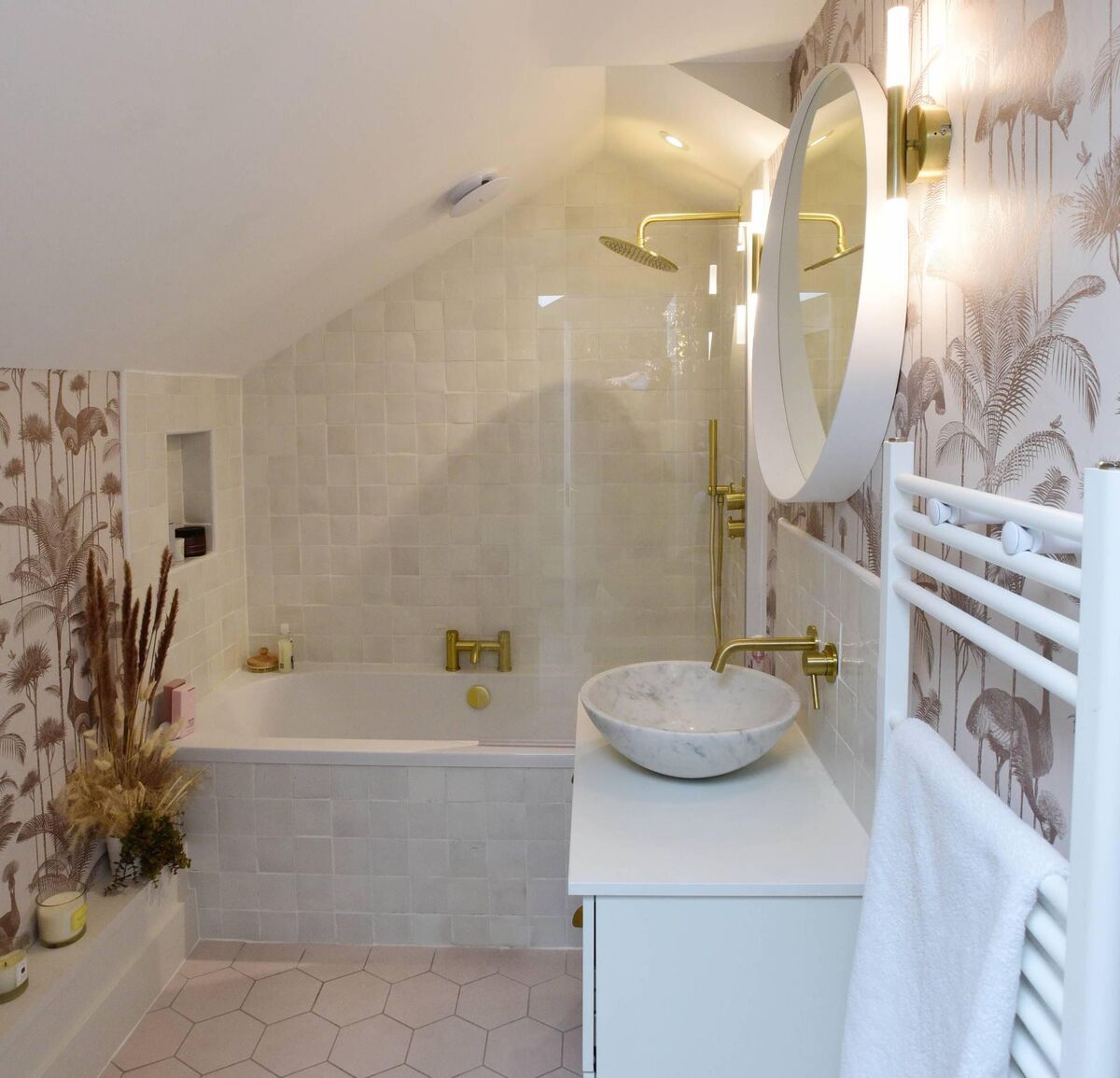
And then there’s the bigger heating system decision. In my own renovation, I opted for a water tank and pump rather than a more space-efficient combi boiler. On paper, the combi looked like the smarter choice, but I knew I’d often need to run two showers at once, and I really value a long soak in the bath, so a tank suited my needs and I had the space to fit it under the eaves.
If you have a great contractor, engineer and architect who are all working in perfect harmony, then you don’t really need to know much about your outdoor drainage. If not, it’s helpful to be aware of what’s where to avoid unnecessary expenses.
I had one client recently, and when we reviewed her extension plans, we realised that scaling back by 60cm would save her from having to move her outdoor drainage. She didn’t need the extra space in that area, and the money saved there was better spent elsewhere.
In my own home case, I dropped my floor levels to accommodate adding a second storey. That meant my drainage pipes sat closer to the water table, so I decided to invest in a sump pump buried in my back garden — something I debated at the time but am endlessly grateful for, given that it literally hasn’t stopped raining since last year.
Always make sure gutters and pipe exits are well planned — mechanical choices can future-proof your home in ways you might not initially consider!
The biggest regret is not thinking about the plumbing layout early enough. Moving a toilet or shower later often means breaking floors and adding cost. Do a quick visual walkthrough of where pipes will be going, and be aware that their exit routes might impact the final layout of some rooms.
Decide bathroom and kitchen layouts early, keep pipe runs as short as possible, and always visualise your furniture placement before finalising radiator positions. If a pipe box or awkward corner becomes unavoidable, think about whether it can be turned into a design opportunity rather than a flaw. And finally, don’t be afraid to choose systems that suit your lifestyle.
Mechanical planning might not be the most glamorous part of a renovation, but if you put some thought into it early on, then you’re doing your future self a huge favour!
CONNECT WITH US TODAY



Be the first to know the latest news and updates