How to turn your living space into a sustainable super home
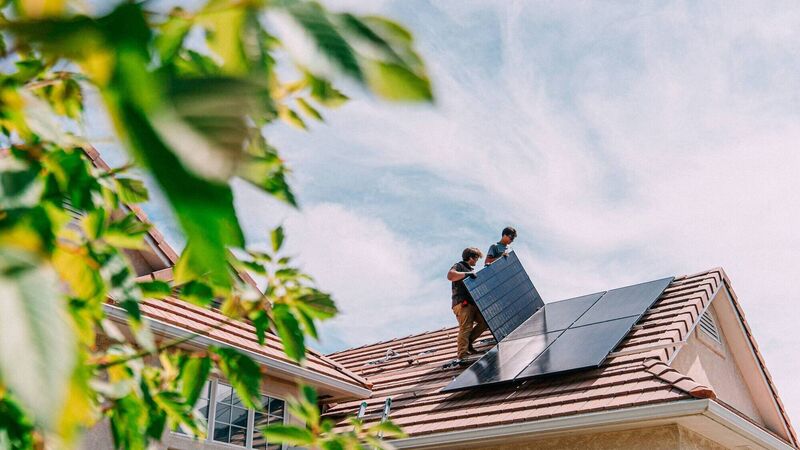
Considering solar-PV? Get your contract in place and your offer of a grant before the December 31 deadline to receive up to €1800. File picture

Here are just some things to think about this summer as you prepare to turn your house and even your garden into a renewable power plant in 2025.
It is expected that on January 1, 2028, the SEAI-managed grant aid towards the purchase and installation of a PV system will be withdrawn. It has been steadily reduced in €300 increments, amounting to €1,800 until December 31, 2025. If you don’t get your approval for your solar-PV grant settled by that date, going forward into next year, the maximum grant figure will be €1,500. If you are likely to be making a deal closer to Christmas, some suppliers are offering up to a €300 reduction to sop up that grant money loss on the margins of next year and next.
It’s vital to allow time for this or any grant-aided retrofit project. Ensure you have all necessary paperwork filled out to prevent a delay to the grant being awarded in principle, and the lead-in time for installation. The grant can be a retroactive payment to your bank account, or, as the SEAI states: “Registered contractors can offer the homeowner the cost of works net of the grant amount. To do this, the contractor can ask the homeowner to nominate the contractor's preferred bank account with bank details on the SEAI request for payment form.”
The median cost for solar-PV, according to the SEAI, is currently €6145 to €9850 (before grant aid), depending on the size of the array and the inclusion of a battery. The grant, until December 31, is capped at €1,800 and has a median award of €1400 to €1800. There’s a fixed grant for your obligatory BER on completion of €50, seai.ie.
There has been a noticeable uptick in the number of advertisements by PV suppliers promoting ground arrays using frames or poles as an alternative to mounting an array on the roof. While this is a great option for a larger, un-shaded family back garden, it can only be determined by a physical site visit by your potential installers (get at least two quotes from firms on the SEAI register). You will need around 20 square metres — 30 square metres of available space that does not compromise available recreational room in the garden (generally this cannot be less than 25 square metres after works).
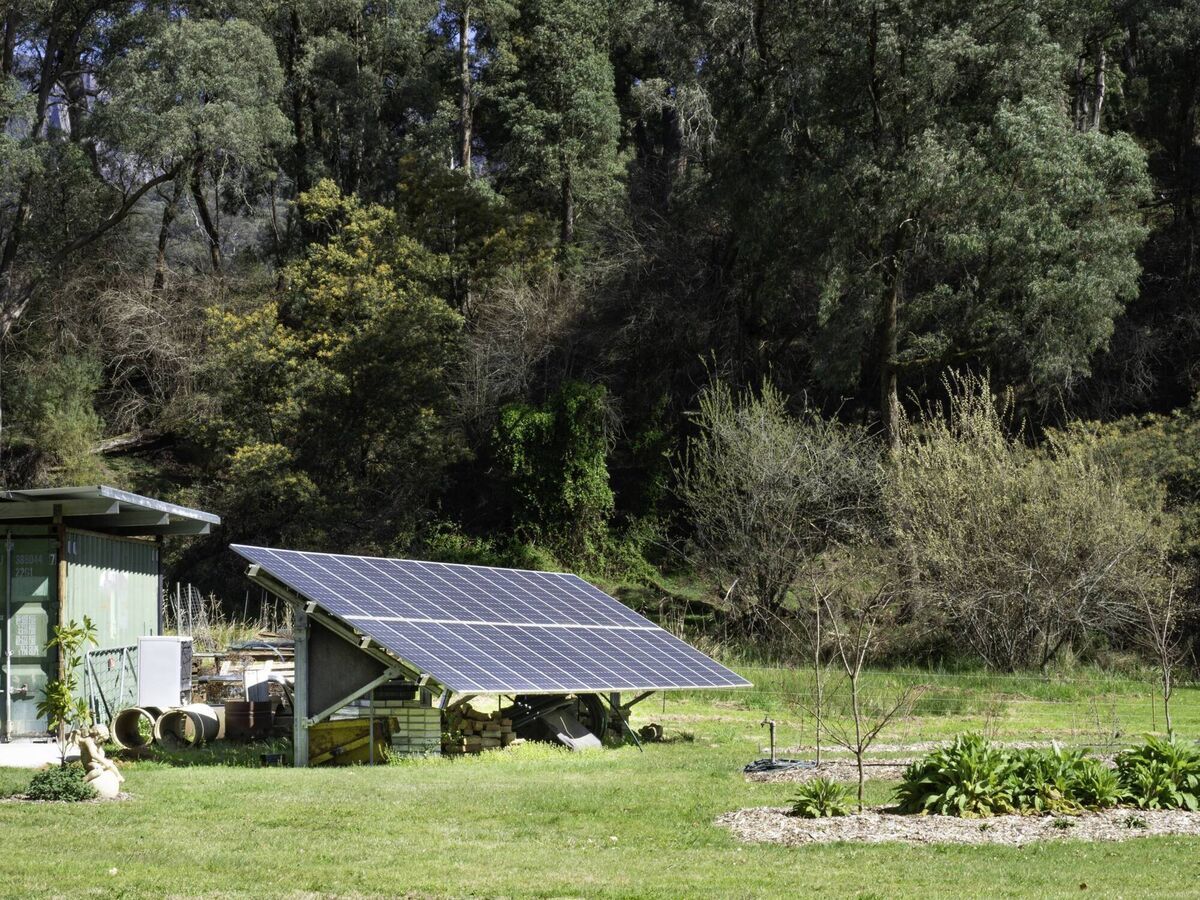
While not exactly popping with aesthetic charm, ground arrays do offer the chance for a superior orientation and pitch to the sun. They can really optimise gain rather than tailoring an array to the existing aspect and tilt of a roof. For a premium spend, dynamic tracking of the sun is even possible with single-axis or dual-axis panels. Cost-wise, expect to pay more for some additional builder’s costs (for a concrete pad) and more extensive wiring to reach your inverter/batteries and the house.
The reward you get from selling your surplus kWs back to the grid through the Microgeneration Support Scheme (MSS) depends on the weather, your usage, and obviously the size of your array. MMS payments are a really useful addition for someone with or without a battery who’s out all day working.
With little or no domestic usage from 8am to 6pm, the array is harvesting light, actively reducing your electricity bill. There are a few interactive things you can do to ensure you get the maximum benefit from this useful credit.
If you have a PHEV or a BEV car, don’t charge it off the roof; charge it at night on a good EV tariff (they hover in and around 8c/kWh). Otherwise, you’re potentially wasting MSS credits back to your bill of 19c/kWh-21c/kWh.
Secondly, watch what is drawing power once any battery in the house is charged. For example, don’t let a solar water-diverter heat your tank all day long. Set what is termed an export margin, and let that power return to the grid on MSS instead. Going forward, I’m afraid the MSS payments offered for domestic c/kWh are expected to fall as farmers and commercial installers receive more government supports.
Anyone with solar-PV for more than 12 months will have experienced the highly dramatic fall-off in solar-PV gain starting in early October. The level of collapse depends on how good the positioning of your array is, and some householders will still chip 30% off their bill during the short days and low arc of the winter sun. Overall, October to February? That first winter can feel like a betrayal. If you have a battery, you could try load-shifting. First, ensure you have an overnight Smart deal using your Smart Meter or an existing Day/Night meter.
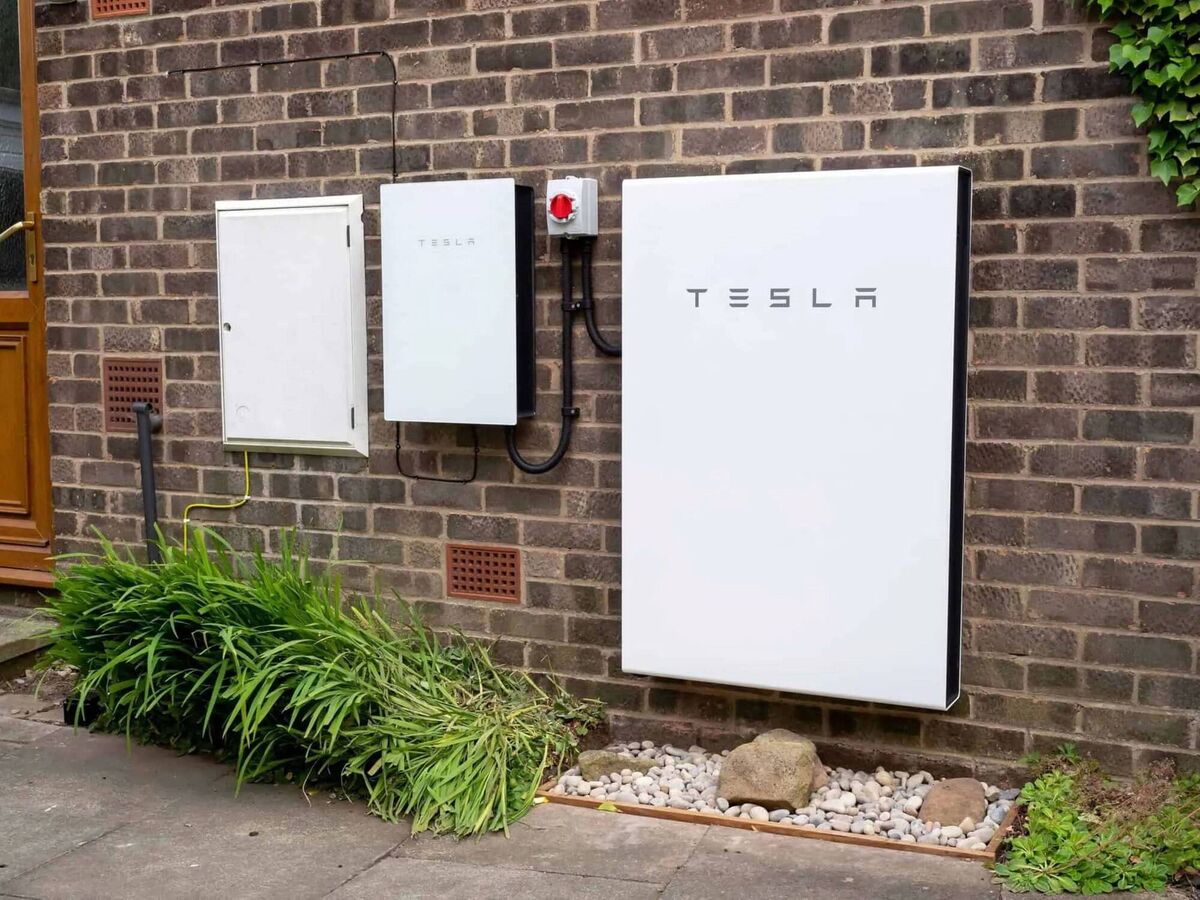
Basically, we charge the domestic battery during these super-cheap hours and deploy this battery power during the course of the day (discharging it).
Refer to the instructions with your inverter to set this up to save money and lower your carbon footprint. Batteries are expensive and can double the cost of an array and installation. Ensure they make economic sense for your situation.
The rain alone will help to keep your solar panels clean and receptive to every glimpse of sunshine. That said, it’s a good idea to wash them off at least once or even twice a year. Everything from road-borne dust to pollen and algae can shroud the array, slightly reducing its performance. Ask your installer for advice on whether your array is best turned off during cleaning. Do not take on this high work or any ladder work unless you are fit and have someone managing the ladder.
The only thing we should be using is warm water and a very mild soap like washing-up liquid. The brush, sponge or cloth will be soft, exactly as you would use on the vulnerable paintwork of your car.
Don’t use any form of abrasive cleaner or harsh chemicals on your solar-PV panels, and choose the early morning or an overcast day when they are not scalding hot. Throwing ice-cold water on them could be damaging.
The correct form of brushes comes ready to attach to long, interconnecting or extending poles and can be connected to your hose. There should be no pressure exerted on the surface. Don’t bang the brush set down onto the glass, or drag it back on electrical components. If your panels or lightly dusty, you could simply hose them down. Don’t use a power washer from a ladder. You could blow yourself into A&E. An experienced window cleaner can clean an array. Ensure they understand its demands.
If this is your first summer with solar-PV on the roof or on the ground, you are probably really enjoying its passive magic. Even a smaller array without a battery will be contributing to your daily electricity usage from 9am to 6pm in a very meaningful way.
It’s worth watching the real-time performance of grid/solar-PV gain on your dedicated app or just ticking away on the inverter or water-diverter interface (it will depend on your setup). Using the software readouts on your PC, tablet, or phone, notice when your usage spikes over 24 hours, as this can help you to manage your supply more effectively. I discovered we were charging our car outside the set overnight period on an Energia graph that also records my solar-PV contributions every half hour through the smart meter.
If you have an electric shower, you can see that the solar-PV even in high summer at midday cannot handle a draw of 10akW, but it can cut it in half if you shower during daylight hours. The solar-PV will segue in with your battery supply and real-time collection working with the Grid. If you have highly efficient A-rated laundry appliances, it’s possible to run a washing machine and a heat-pump dryer simultaneously right off the roof in high summer, but otherwise, try sequential use. Don’t be neurotic about the array’s performance in winter, but try to understand more fully what it can and cannot do.
CONNECT WITH US TODAY



Be the first to know the latest news and updates