Home improvement: Is it better to have a separate loo and bathroom?
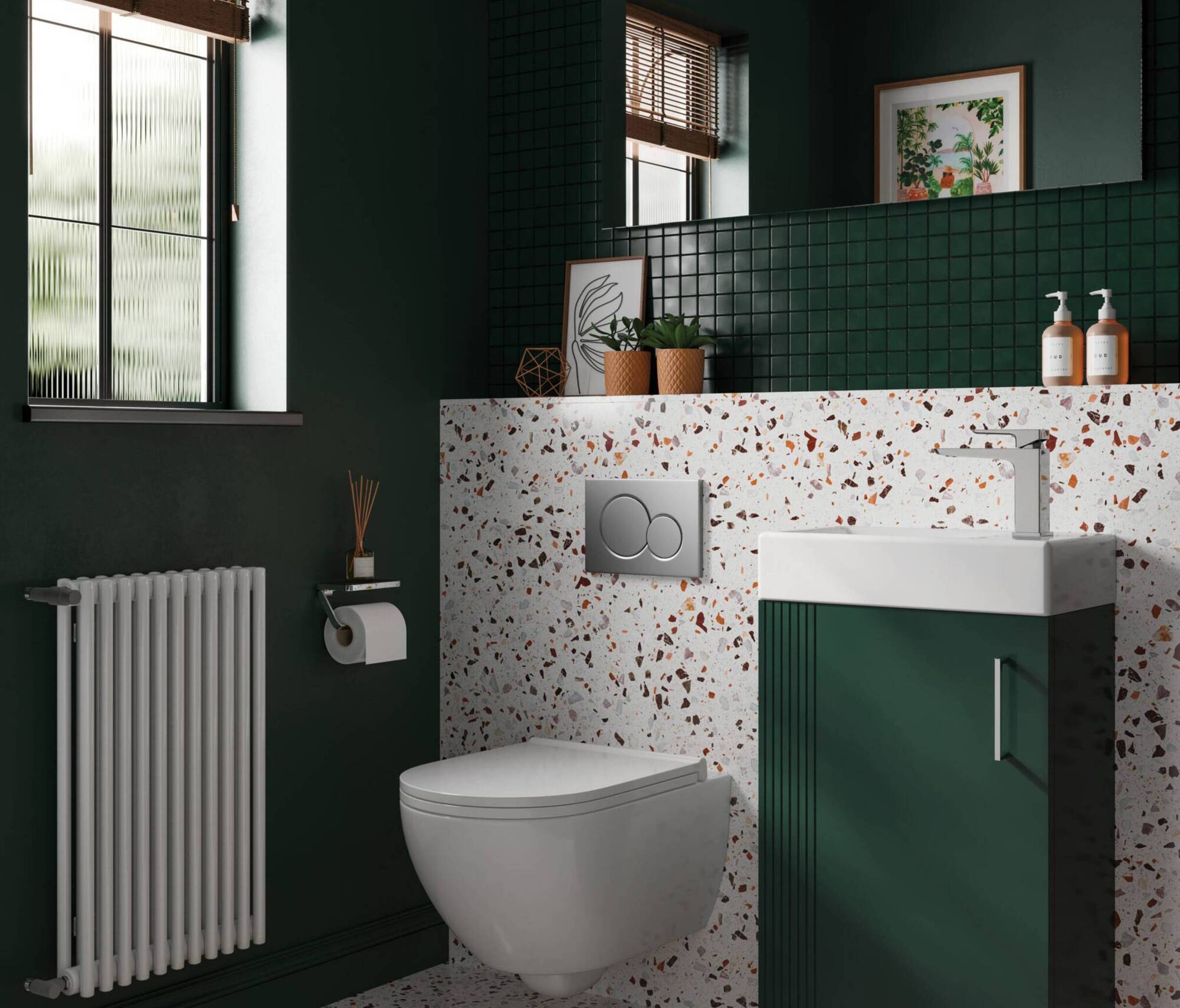
Your WC doesn't have to be a dungeon; HIB Fabrica pictured here, supplied by Shivers Bathrooms.
Several readers have asked me, flame-faced, if separate toilets are worth considering. I thought this issue was just an oddity, rolling around in my head. Family bathrooms are often completely engaged just because the toilet is in use.
This can be maddening with a larger brood, and right up into the 1980s, a separate toilet nestled by a family bathroom was familiar in homes all over Ireland.
Here are just some of the issues that might actually drive you to divide, as well as ideas of how to give the loo its own distinct quarters, staying within the same footprint of your bathroom or ensuite.
Generally, positioning the toilet, the dominating factors are — any existing soil stack position (where any original loo was — a real money saver in a renovation), and shielding the position of the sitter if an unlocked door is exploded inwards. We’re not actively trying to hide the toilet because it’s a toilet.
Most contemporary shrouded designs are like Henry Moore sculptures, and they hang well in a wider suite without aesthetic blushes. Still, it’s not recommended to make them the first focus.
With ensuites off bedrooms, the two rooms are intimately connected. This can cause not only design issues, but interpersonal problems. First, we can look at where the ensuite is situated within the layout of the bedroom. Ensuites abridge all that lovely soft furnishing in the bedroom where we breathe deeply, prone, sleeping and frolicking as couples do. If you have a smaller bedroom with an ensuite, the reality is you may have a regularly used toilet behind six centimetres of hollow-core door, a few metres from your pillow.
This is a mortifying situation when something deeply digestive really gets going. So, what can we do to put the toilet and the very idea of what it’s there for even further out of our minds, noses, and hearing? Good design from the start is obviously the ideal.
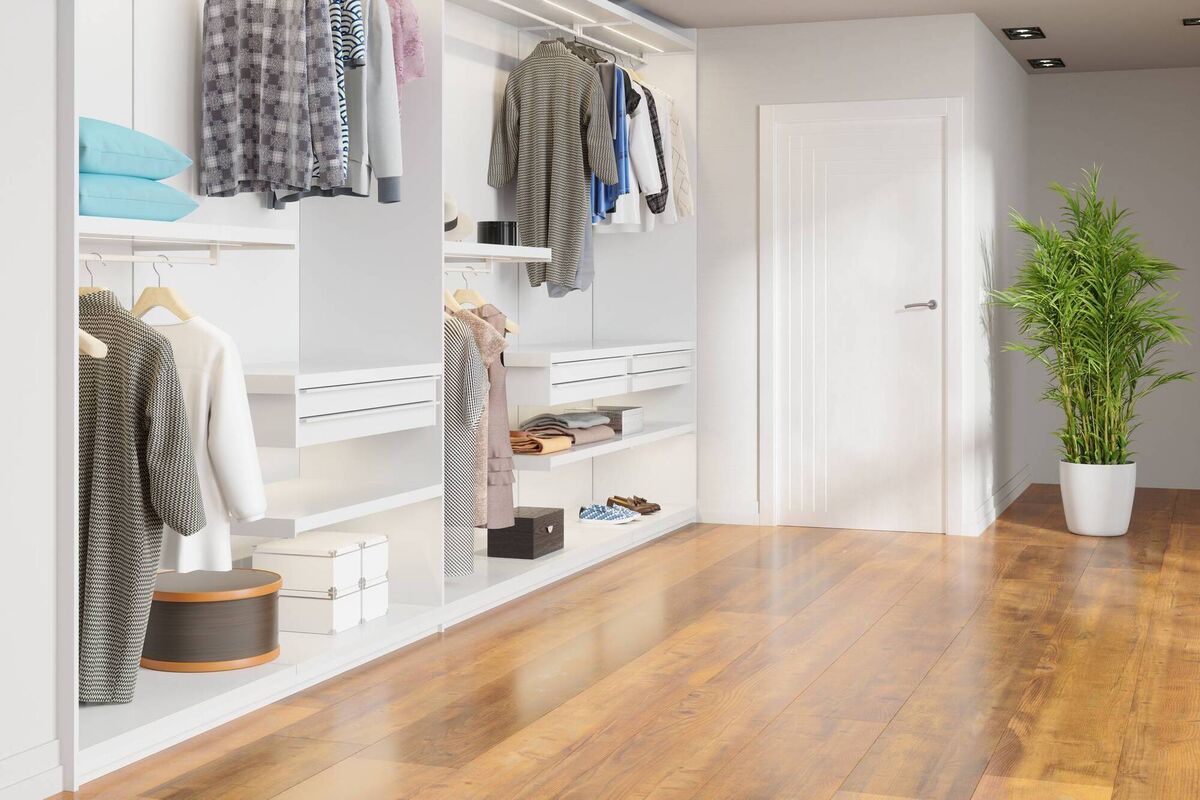
My all-time favourite architectural hit in a larger bedroom is a long suite of spaces running behind a partition wall in an open-ended corridor. The bed head is often set on this wall and faces across the room to a great view. First, there’s an open circulation area entering the bedroom at one corner. This little hall faces directly into flanking or single wardrobes and rails forming a narrow dressing room.
At the far end of this antechamber is the bathroom, safely and serenely tucked out of sight. With a solid masonry wall, or adequately insulated timber stud-work, the acoustics from the bathroom perceived from the bed area should be no more than a light ASMR rain-fall from the shower.
With the fan sipping moisture and any stale air out of the space, and a couple of minutes' grace after bombs-away, this layout takes the real-life of bathing, dressing, and most particularly toileting, completely out of the sleeping quarters.
So, what about moving elements around the ensuite or bathroom to shelter the loo? Everyone is different. Some of us are comfortable brushing our teeth and chatting to our partner as they have a relaxed tinkle on the toilet. A toilet “room” distinct but within the ensuite or bathroom and without a sink sounds like a horrible little cell from national school, but it doesn’t have to be, and it can be integrated in a bathroom space if you have enough square metres in the right direction.
I’ve never seen my beloved on the loo, and I don’t intend to in this lifetime.
Splitting the ensuite or any bathroom into distinct zones can alter its character and practicality. If it’s just the sight of the performance that worries you, a nib or pony wall could be the answer. This is a short wall taken right to the ceiling that shelters the loo sitter’s situation in an alcove. The room remains open-plan. Nib walls can be kept shallow and waist high, but there’s no dignity in terms of smell and the trumpeting symphony in either case. You can also use fitted furniture in a wider vanity area or fluted glass screening to get partial visual protection, at least from the door.
Alternatively, we can go full WC while staying in the bathroom, creating a proper, small anti-room entered by walking through a larger ensuite or bathroom, using swinging, sliding or pocket doors set in one or two short walls. With a minimum clearance on either side of the toilet of 20mm, this can fully enclose the space when needed.
The great advantage here is that on a busy morning, your partner or kids can utilise the ensuite or bathroom vanity to brush their teeth and so on. Some couples will be happy to even get on with a shower in an en-suite situation. The separate toilet area beside or within any bathroom leaves the rest of the room fully available and sweet-smelling when you just cannot wait to use it in distinct shifts.
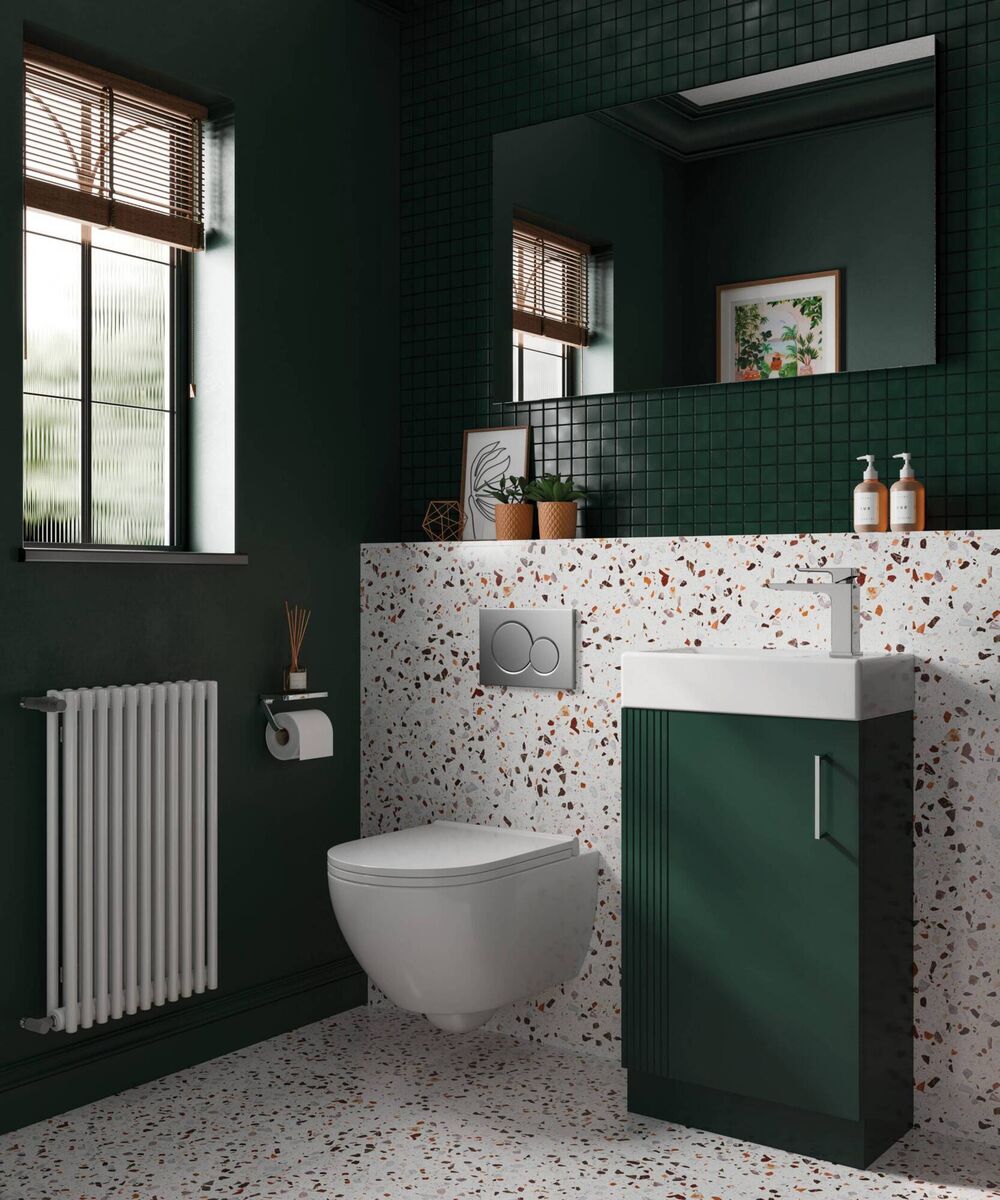
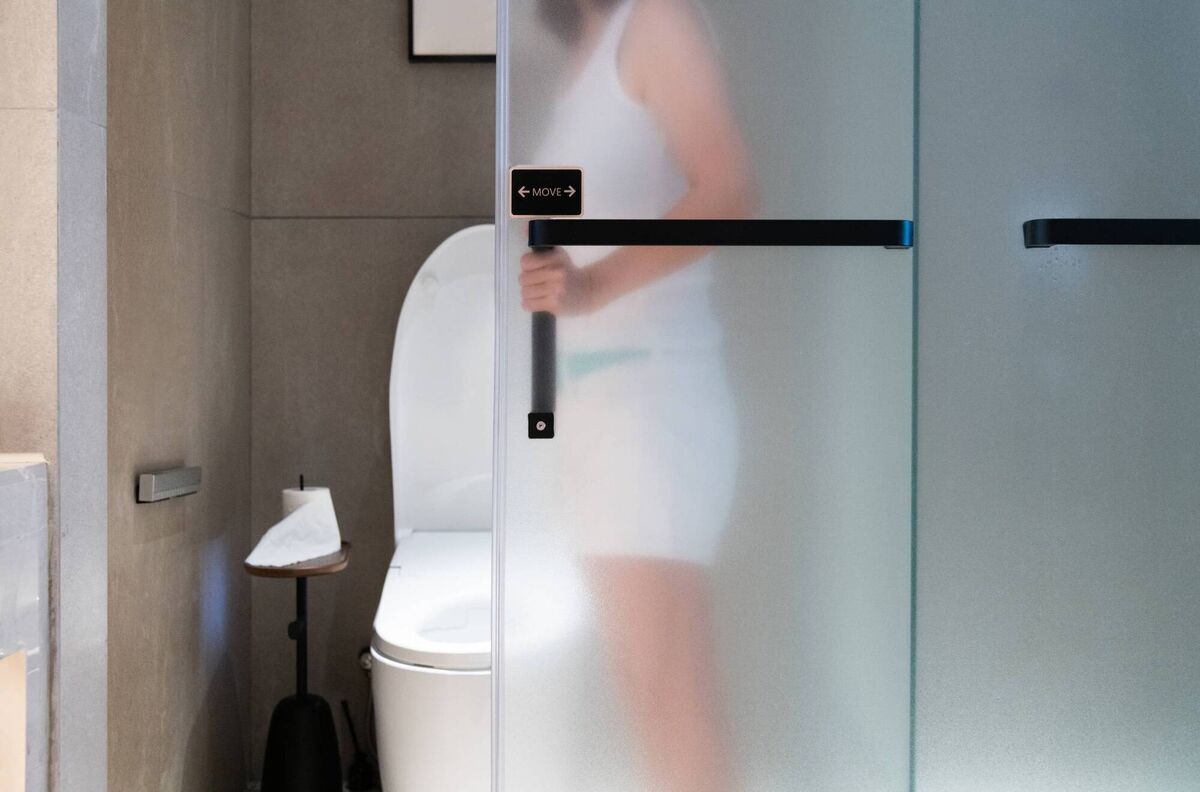
The latest styling keeps the separated toilet bay visually connected with matching tiles but fitted out with autonomous ventilation and lighting. Semi-opaque glazing to the door will allow complete discretion (60% of the view blurred by sanding, reeding or rippling) with light from a window or the remainder of the ensuite flowing through both spaces.
This delivers an airier feel than a solid door, obviously, but cutting down on dB of noise, a blind door will win. With the right amount of clearance, toilet rooms can be built into a corner successfully, too.
If room allows, consider setting the loo and the shower in matching niches with identical blasted glass doors. Pinterest is full of ideas for making the break and delivering glowing spaces with a unique style. If you go with clear glazed doors and/or panels (strongly trending in 2025 in metal and faux-timber frames), ensure there’s a good 600mm plus for the person using the loo to step forward and adjust their clothes while remaining unseen, or otherwise up the opacity to blur their body out.
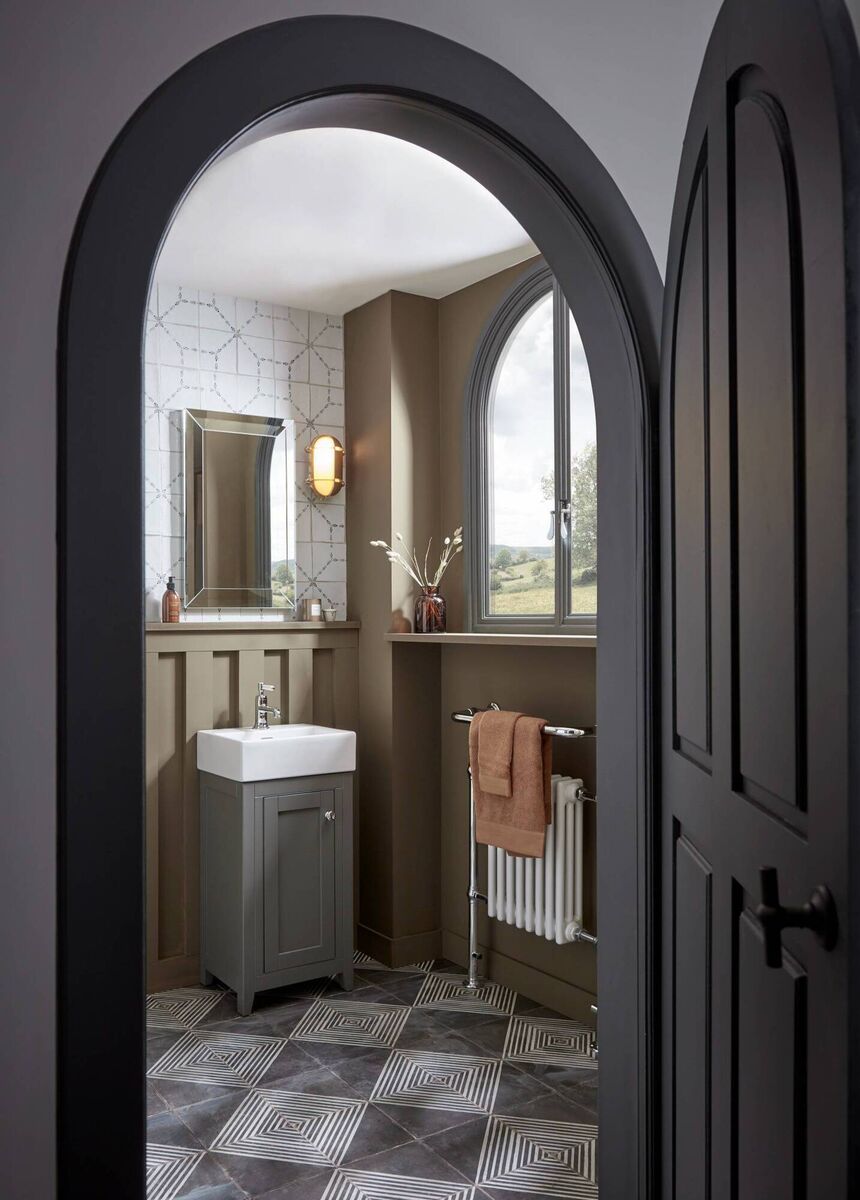
Finally, if you buy a house with any separate toilet or downstairs cloak-room, don’t just rip it out as “old-fashioned”. With plumbing already on hand, these rooms can be a lifesaver in the rough and tumble of family life and are not just for guests.
Tiny toilet rooms are perfect for a whimsical glow-up with new tiling, bead-boards, wallpaper and more. Where there’s no hand-basin in a toilet room, consider adding a narrow projection sink or vanity to give the room complete independence from a neighbouring shower room. Building outside the bathroom, 800mm by 1400mm is a reasonable minimum, including a basin, but under a stairs on a downstairs hall, for example, you could go a little smaller. What they cannot abridge is a proper habitable downstairs room, like a living room or kitchen.
In a smaller toilet, a good air exchange provided by mechanical ventilation is crucial. Day and night, you flick on the fan integrated into the light switch and leave it running for a moment or two after you’ve finished. Airing any bathroom for the next person using it, including opening a window, is basic good manners worth drumming into the kids early on.
CONNECT WITH US TODAY



Be the first to know the latest news and updates