Interior designer Jo Berryman shares the secret to celebrating self-expression

Jo Berryman, interior designer and author of Expressive Interiors. Pictures: Bénédicte Drummond
Demure: the word of the moment, ripe with associations with Miss Jane Bennet, a young woman praised for her demureness in contrast to her slightly brazen, main protagonist sister Elizabeth.
It also appears at the start of interior designer Jo Berryman’s new book, , (CICO Books) where it’s referred to the antithesis of her approach to interior design.
“Those who choose to work with me are often aware that my style isn’t demure or rule-based,” she says. “I can spout a multitude of tried and trusted theories, but mostly I’m a believer in being true to what you like regardless of whatever’s on trend.”
It doesn’t take much longer than a flip through a dozen pages to see that what she does in her featured projects and what she admires in the work of other designers she’s included in the book, steers well clear of demure. “You like what you like for a reason and if you start at this baseline the outcome will be original, but more importantly, will endure the test of time," she says.
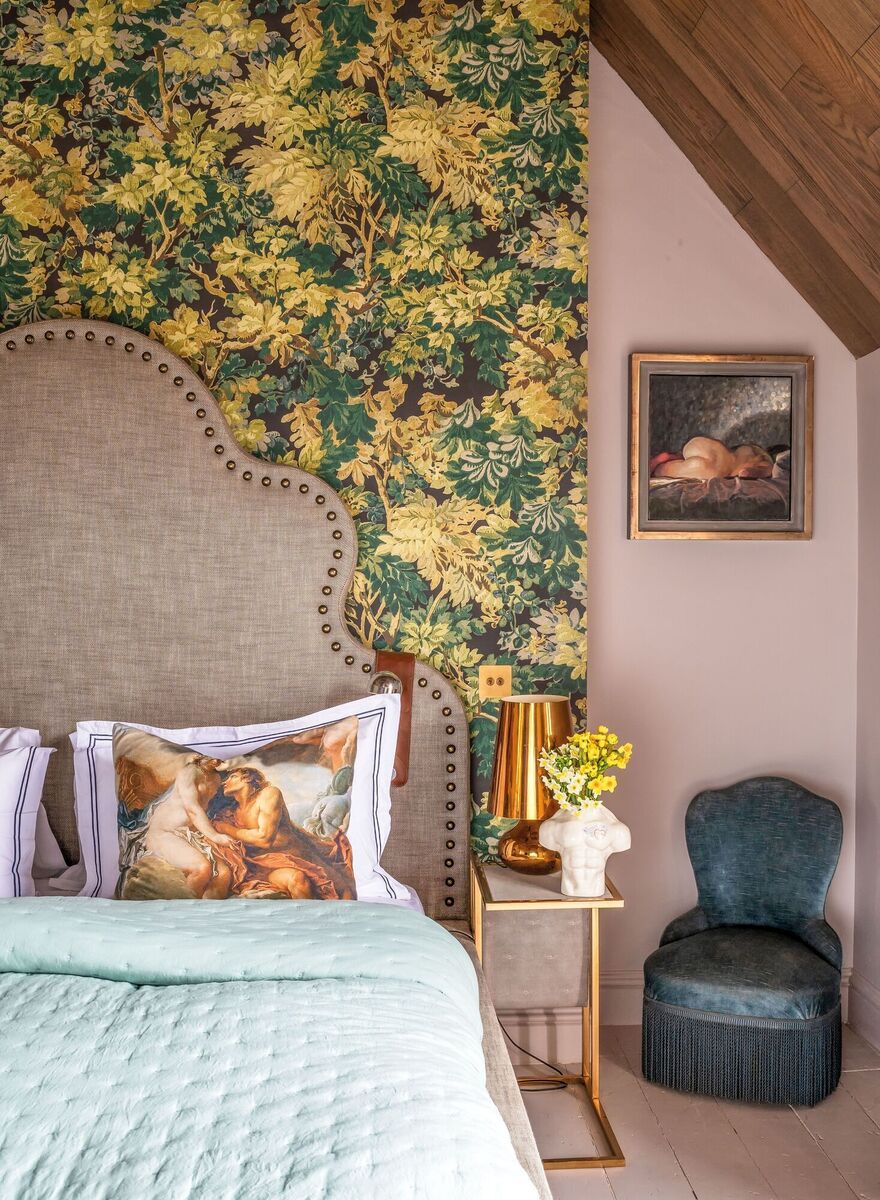
It’s a comforting thought in the midst of relentless trends to be given ‘permission’ of sorts to risk being yourself with how you present your home.
“Whether arranging photographs and objets d’art with meticulous care, or unleashing creativity with the wild abandon of an abstract painter, there are no ‘shoulds’ here,” she says. “This book celebrates a sense of self-expression thriving within the sanctuary of one’s home.”
Drawn into the book initially by the lush images of award-winning photographer Bénédicte Drummond, who frequently shoots for the likes of and , they flesh out the story of each property. Berryman’s own house is a feast for the eyes.
It’s an old rectory in the English Somerset countryside which she and her husband fell in love with at first sight. They put out a feeler to the then-owners about buying it but were met with a resounding no. A friendship between them ensued, however, leading eventually to a happy ending. “Our predecessors had downsized from a French chateau, and unashamedly maximalist had papered and upholstered every surface,” Berryman says.
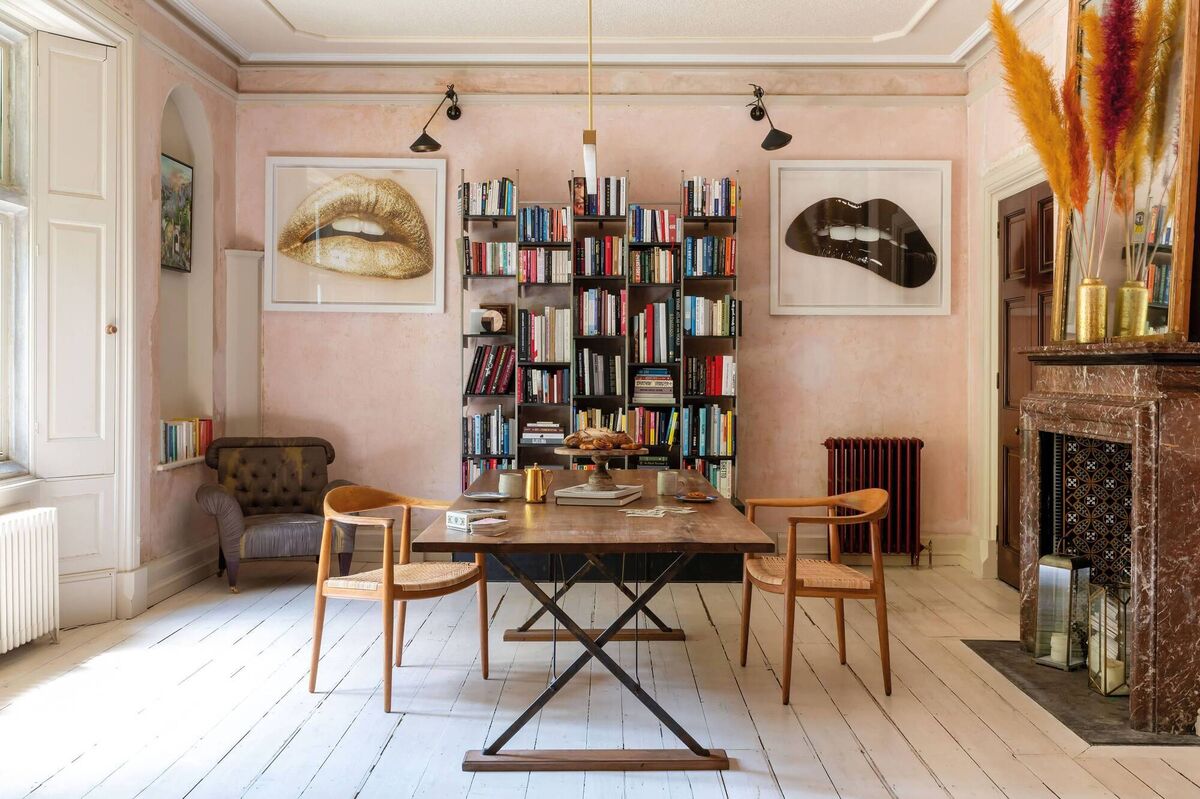
“As we started peeling back the layers revelatory scenes appeared. The walls took on a faded splendour, reminiscent of the walls of the Harley Street consulting room in Tom Hooper’s Oscar-winning movie 'The King’s Speech'. We embraced the imperfection, living with and making good of it.”
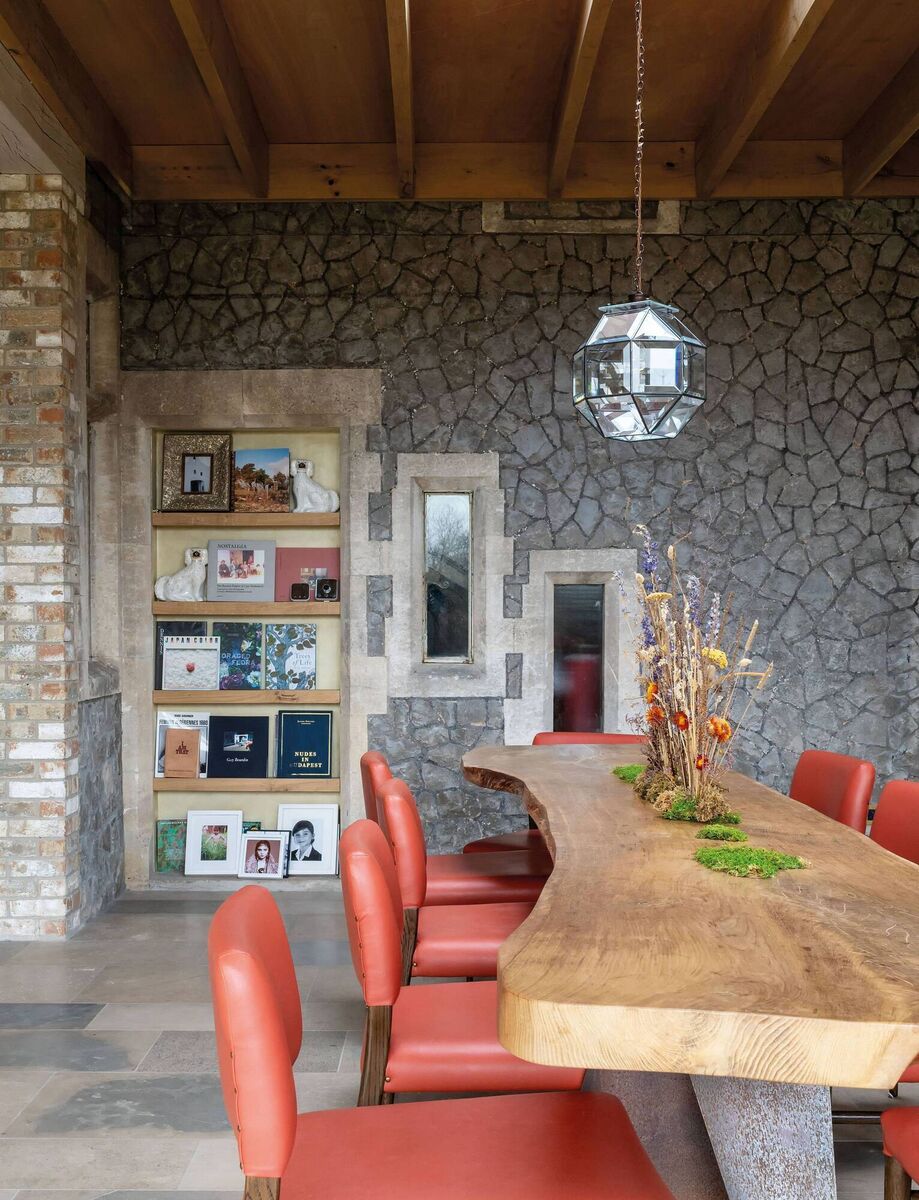
The yummy pink of the original plaster now forms the backdrop for contemporary art, furniture and lighting. “My background in fashion influences the way I approach interiors,” she says. “Just as a statement necklace transforms a plain white t-shirt, I use standout pieces like an oversized, sculptural lamp or a cluster of intricate frames to add personality to a room. It’s about finding the balance where each piece complements and highlights the others, like the accessories that pull an outfit together.”
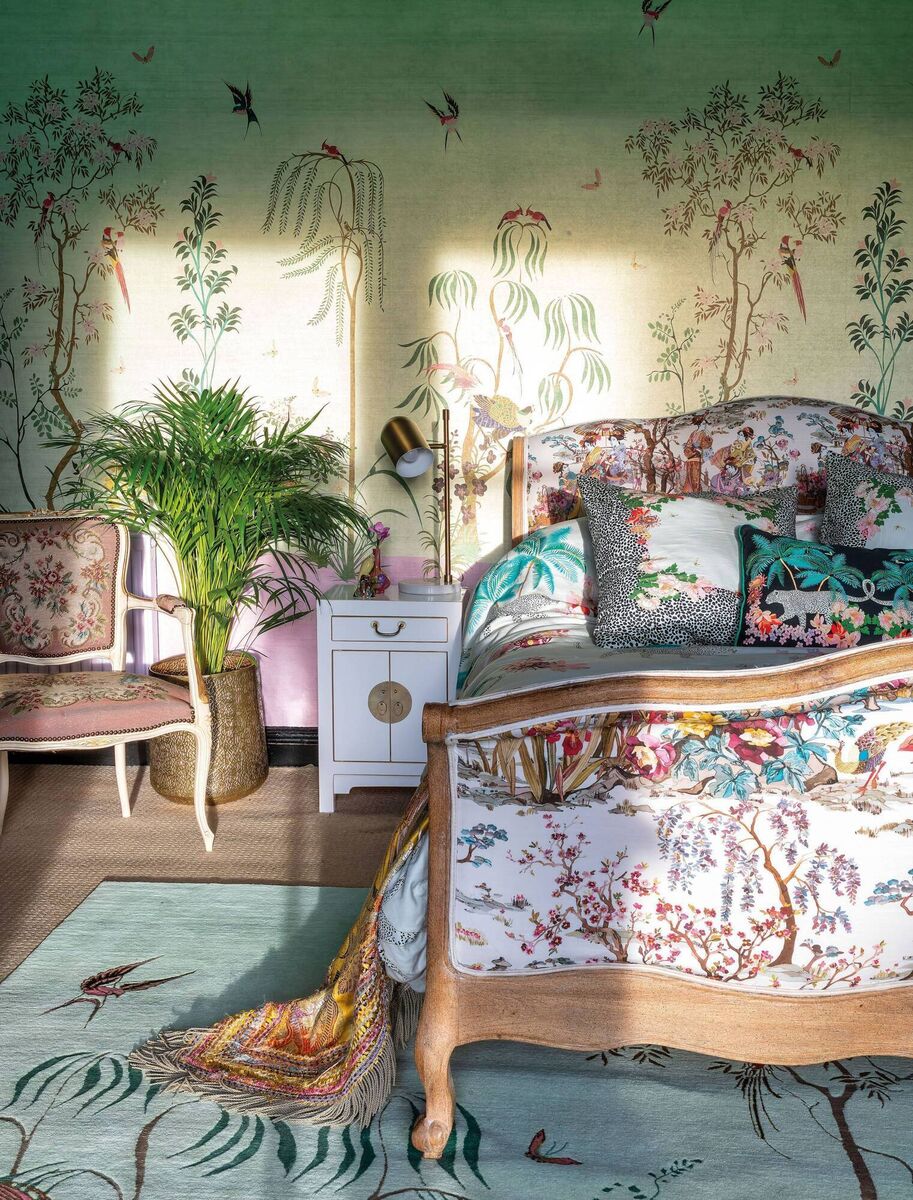
It’s all-around good taste and the fact that the other owners featured in the book are creatives that means these homes are not about chaotic maximalism, although Berryman says, “Give me a surface and I’ll adorn it with objéts, trinkets, books and captivating oddities. Injecting drama and dynamism into spaces is crucial. Stagnant surroundings are dull, while a touch of chaos can set the chi energy in motion.”
So, it’s surprising to see the home of designer João Botelho included with all its contrasting minimalism.
A converted 19th-century Methodist church in London’s Islington, the steel, glass and timber elements which have successfully transformed it into a dwelling could have resulted in a hard, sharp-looking finish, but the opposite is the result thanks to decorative accents which, according to Berryman are the repetition of colours, patterns, motifs, textures or shapes throughout a room or whole house. “One of the easiest ways to implement this technique is through colour.
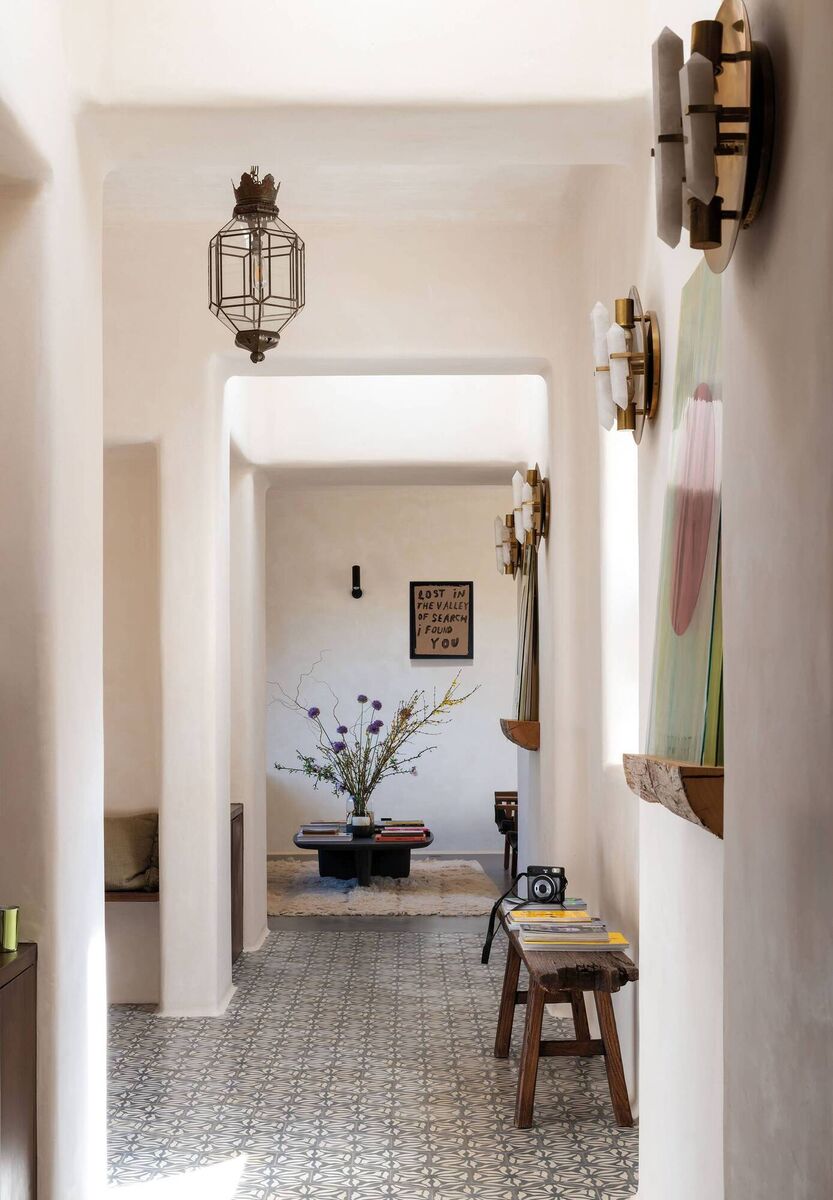
"For example, a particular shade can be picked out in paint, a throw, cushions, rugs, curtains and artwork, weaving a visual narrative that connects rooms throughout the entire house. A tonal scheme based on various shades in the same hue will create a dramatic effect.”
It's an example for those of us who are more at home with minimal interiors but want to balance it out with some self-expression without going full max.
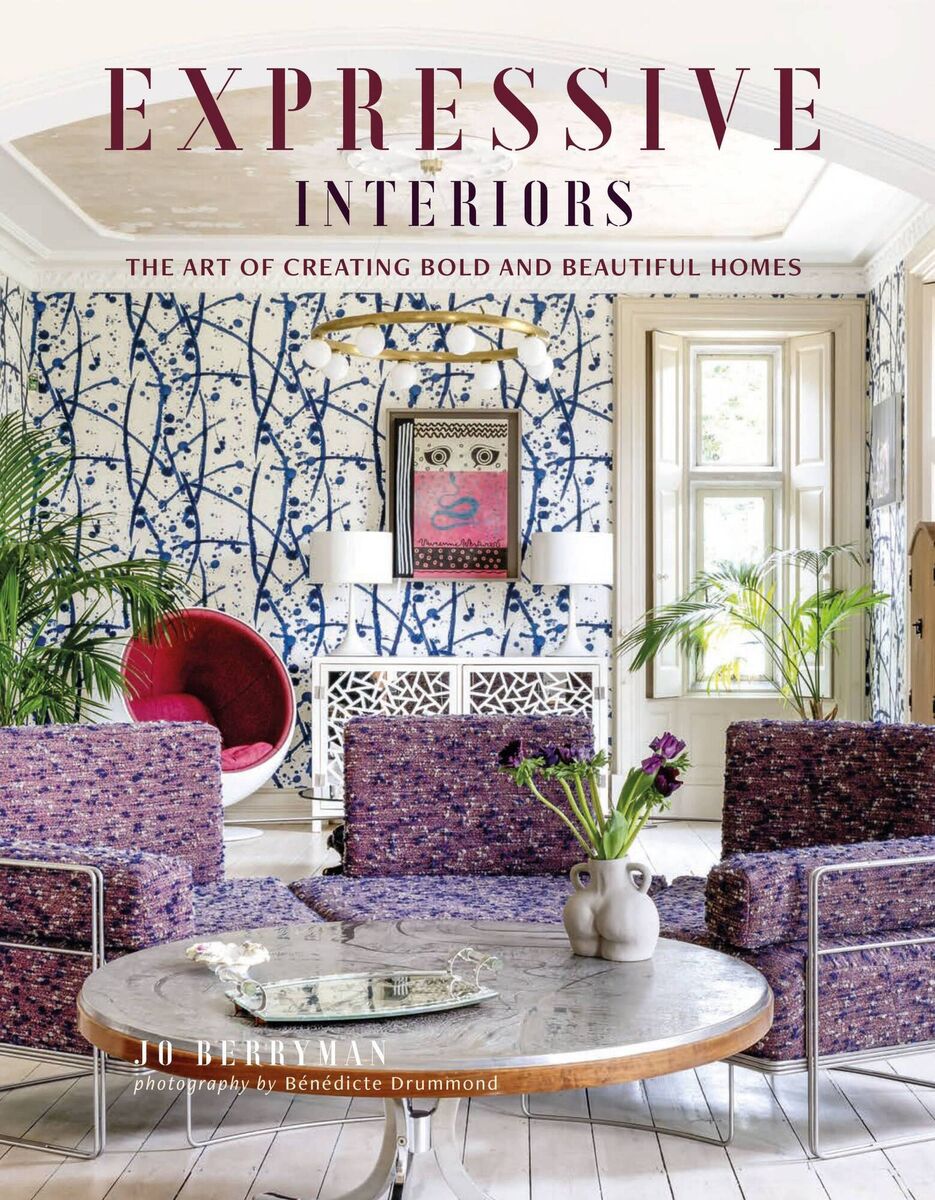
- 'Expressive Interiors' by Jo Berryman, published by CICO Books (€30.19); photography, Bénédicte Drummond


CONNECT WITH US TODAY



Be the first to know the latest news and updates