Mould, damp and condensation: How to tackle them in our home
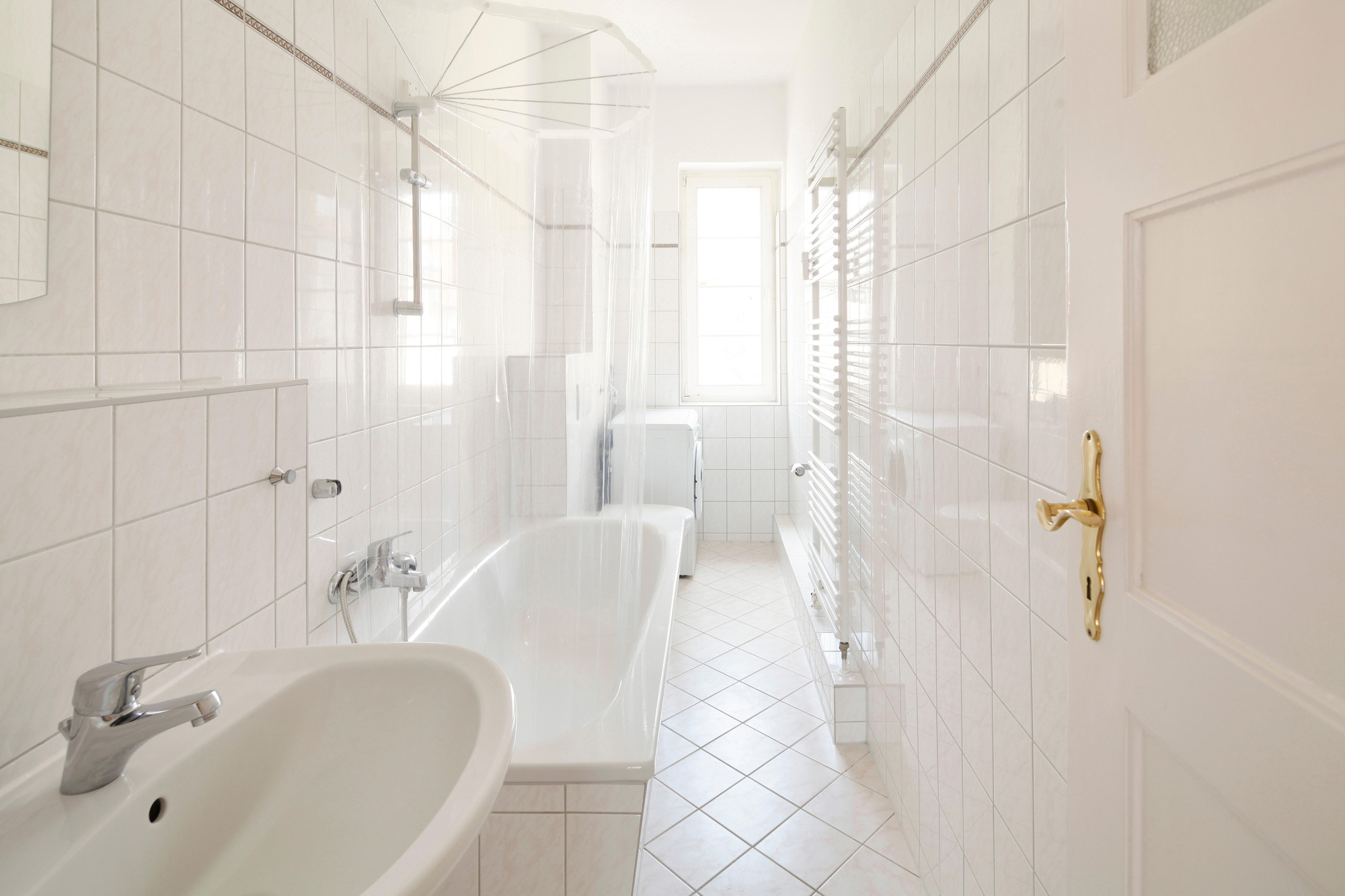
An expert offers tips on preventing mould growth (Alamy/PA)
When it comes to the nitty-gritty of dealing with damp and mould, condensation is at the root of the problem.
Mould is a form of fungus which can grow on walls, windows and corners of your home due to damp and humid conditions, and build-up of condensation. “Mould can show up in various forms, however it usually appears as dark spots or clusters around your house,” says Edward Jonkler from Remora Cleaning.

Mould will continue to grow in your home if not treated or cleaned, and the conditions you are living in are not altered, warns Jonkler.
Here’s how to prevent its growth:
“Black mould growing in your bathroom is an awful sight,” says Jonkler. “If your bathroom is not well ventilated, condensation can build up, which can result in mould growth.”
There are a few ways you can deal with it:
Install an extractor fan and ensure it has a delay on it, so it stays running past the time you use your shower and toilet in the bathroom.

Checking your vents are working and open in the bathroom will help the air to circulate better.
The heat from bathroom radiators helps to dry out damp patches on walls and windows, resulting in less condensation and helps reduce the build-up of mould.
Ensure you’re using the right paint. There are special paints designed to be used in bathrooms and kitchens; or opt for an anti-mould paint with mould-resistant formulas to stop growths specifically in wet and damp areas, like your bathroom.
“If you’ve experienced the build-up of black mould around your windows or sealant, you can attempt to remove these using washing-up liquid or white vinegar,” says Jonkler.

“While this solution has been tried and tested and can work depending on the severity of mould build-up, the best way to avoid a recurrence is to remove the sealant from the windows entirely before resealing them.”
It’s also worth checking your window frames while inspecting the extent of your mould build-up, adds Jonkler.
“Mould could be a result of cracks in your windows, with air being let in, so it’s important to ensure your windows are sealed properly once you’ve removed the mould present — to ensure no further build-up occurs,” he says.
Condensation in bedrooms is something commonly overlooked, especially if you’re not spending that much time in it — other than sleeping at night, says Jonkler.
His top advice to prevent mould growing and stop it occurring again?

Invest in a dehumidifier and use it daily to collect accumulation of water in your bedroom.
Open the windows regularly/everyday helps circulate the air in and out, helping to prevent mould forming; especially if your room gets hot and stuffy.
Keep the heating on a low temperature. At night your body heats up, which can cause a build-up of condensation in your room, so try keeping it to a minimum.

“While mould inside our homes is due to a build-up of condensation, exterior mould can be down to a number of factors, including a leak inside your property, or moisture getting trapped in exterior walls,” notes Jonkler.
“You can buy fungicidal chemicals designed for cleaning mould off exterior walls, which should be used when cleaning the damaged area.
From here there are various other tactics homeowners can take, according to Jonkler, who adds: "But the first thing is to identify the cause of the penetrated damp — and go from there.”
Mould build-up on exterior walls of houses is trickier to deal with, warns Jonkler. So seeking professional advice and guidance on the best solution is the recommended approach.

CONNECT WITH US TODAY



Be the first to know the latest news and updates