Get the best from home-building pros and tradespeople when renovating or extending
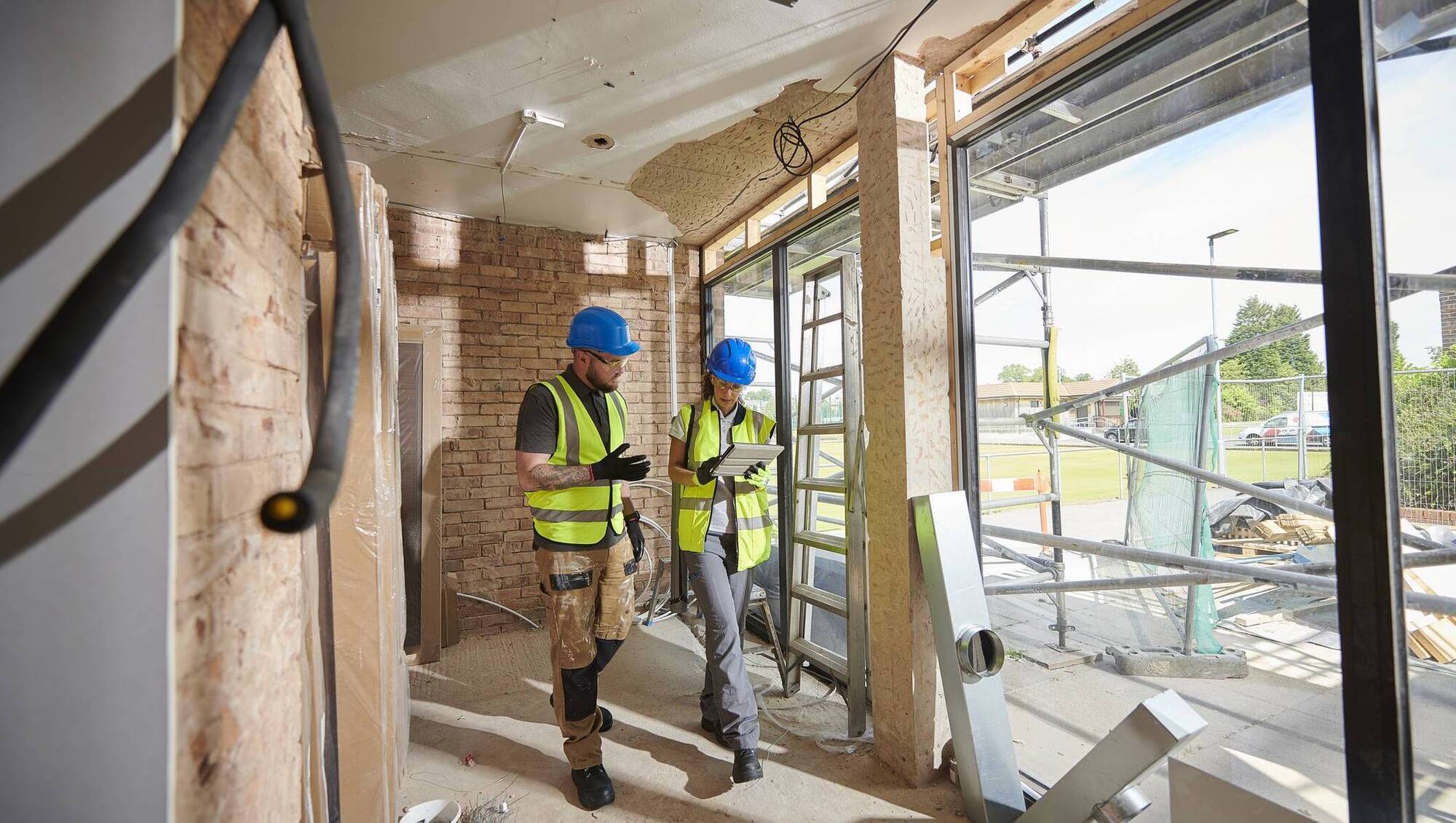
Most building contractors and tradespeople are well-qualified, organised, hard-working — and in high demand, writes Kya deLongchamps
Get the best from home-building pros and tradespeople when renovating or extending

Your relationship with your builder relies on mutual responsibilities. This is not all laid out in the contract. File picture

Scarce, and flocking to potentially more lucrative work on housing developments, builders and trades suited to one-off builds and renovation work really do have all the cards. The majority of building contractors and tradespeople are not deceitful chancers, but well-qualified, organised, hard-working individuals, deftly managing their own employees or sub-contractors over many years. 

The best are tough to secure as their talents are in extremely high demand. Will you be ghosted in your pursuit of some firms and popular individuals? Highly likely. We may, through recommendations, have a contractor in mind. The architect or engineer who drew your plans may have a reliable crew they will promote to you. 

We might be determined on a team of trades used sequentially on site by a project manager in a classic self-managed, self-build. 

Whatever the scenario, to get the best from everyone visiting the site, these relationships must be set up within positive, proven parameters from the first contact, through contract and on to the end of the build. 

Presuming you can get someone to indicate they will go into contract, here are a few tips for peace and progress in your build, extension, or renovation.

Tender paperwork  

An architect, engineer or quantity surveyor (QS) is able to create a folio of tender documents. The paperwork for tendering for a contract is highly specific, and it should agree with your planning permission. Don’t pursue a builder until you are ready to tender, as it will look woolly and unserious. 

The tender will contain a contract proposal with various conditions, detailed drawings and specifications, a proposed schedule of works, and a bill of quantities. 

A bill of quantities will allow the builder to make as accurate a quote as possible, reducing provisional costings that will nibble at your 10%-15% contingency fund. 

The more specific you can be regarding the plans, fixtures, fittings, and all finishes, the closer the numbers on your builder’s quotation will be to the truth. Are they handling all first and second fixes, for example?

Judging the quotes 

An architect or engineer will have worked with several good firms in their local network. They are best placed to examine the proposals and figures returned by multiple quotes from the tender, judging their worth. 

With a smaller project, ask for several quotations yourself and don’t jump on the cheapest quote. A stratospheric fee may simply be a PFO set in numbers. Immediate availability? Not be enough to seal the deal. 

Insurance should include public liability insurance, employers’ liability, and all-risk insurance. This paperwork should be checked with the provider as current and appropriate. If you approach some less scrupulous contractors without a budget and do not ask highly specific questions, you are asking for trouble.

Medium-sized firms will have more people to consistently dedicate to your site than a smaller team, but a smaller firm may have fewer overheads and be highly competitive.

Check out those references 

Word of mouth and genuine references have always been the best ways to secure a reputable contractor or tradesman. With likely candidates, we want to get to know their work even better. 

A reputable builder will be prolific, busy and will have projects he is happy to refer you to with detailed project photos and possibly an agreed site visit. 

Ask for references. If you do meet a former client, ask how he/she did when things went wrong (very revealing). If the builder says he is registered with Master Builder Ireland or the Construction Industry Federation, go online and check this out: Master-builder-ireland, Cif.ie. The CIRI register is an evolving register, moving from voluntary to obligatory membership. Small firms handling one-off housing are not obligated to join. Ask for a home address and land-line telephone number, not just a mobile number.

Get into contract

  When spending any money whatsoever on building a house or investing in home improvements, a warming handshake is not enough. 

Fees, insurance, the cost of materials, waste removal, VAT, these are just a few nebulous areas that can lead swiftly to rows and legal proceedings, or (worse still), your money in the wind. Courts take a dim view of cases founded on the strength of someone’s word. 

When spending any money whatsoever on building a house or investing in home improvements; a handshake is not enough.

A reputable contractor will want to protect themselves within a comprehensive contract that includes a structural warranty and will accept a time limit measured generally in weeks for a start and completion date, with financial penalties for unreasonable delay.  

The Royal Institute of Architects of Ireland (RIAI) offers the RIAI construction contract (2025) or talk to your architect or engineer about their favoured form, Riai.ie.

The project manager  

You can opt to have an engineer, architect or some other appropriately qualified person communicating and mediating between you and the chief contractor (for an agreed fee). This is your project manager, representing your interests on site during regular visits. 

Don’t hire someone additional without a proven record in the trenches. Underserved overconfidence is rife in this field with insta-renovators and self-builders basing a whole new career on one or two personal projects. 

If problems addressed by your project manager are not resolved, communicate directly, in writing, with the builder, keeping copies of any correspondence. A good builder will flag serious problems openly and immediately to you and any project manager.

Money matters

You can expect to pay a modest deposit to your builder, followed by staged payments agreed upon in the contract as the build achieves a set point. Together with these staged payments drawn down on time from your financial institution, it is standard to retain from 5%-10% of the builder’s entire fee until after work is completed and all snags are rectified. 

Don’t be hurried into paying too much money up front, especially as a deposit. This damages your leverage if things go pear-shaped, putting you in a vulnerable position. If you are taking an active project management role, ensure you know who is responsible for paying for individual materials, flagging unforeseen expenses, and settling with subcontracted help. 

The best money saver for self-builders is to make design and material decisions well before the work begins and to stick to the original plans as far as possible.

Set house rules 

If you are concerned about radio noise and neighbours’ complaints, make these issues clear at the start of the build. Where will the lads and lasses boil a kettle and sit down for lunch? Is parking available? What time will they arrive in the evening, and when will they quit? 

If you are staying on site, each side should exercise respect and politeness. Bring repeated contentious issues to the project manager or supervising contractor. 

Don’t insist on being overly pally. Friendly formality married to open communication? Perfect. Save the tearful hugs until the build is successfully completed.

Be a good client 

Many willing, reasonable builders, trades and labourers are harassed on site by dithering, overly demanding clients, leading to a miserable, slow job fraught with tension on both sides. Clients proudly visit the site twice daily, hanging over the crew, offering critiques, and attempting to finesse the work. 

Fudging even minor detailing can lead to major delays and extra expense, muddying the terms of your contract and interfering with the builder’s work with you and the timescale of their next project. 

Include your project manager and contractor in any unavoidable changes as soon as possible. Have agreed alterations and ensuring accruing costs put in writing. 

Refer to your contract and pay promptly according to an agreed scale on the nail — that’s your primary responsibility in this relationship.

When good builds go bad  

If you are uncertain about the work being carried out on your home, bring it to your project manager and/or builder right away. If the builder wanders from the agreed plans and/or the contract, inform your architect or engineer. It’s ludicrous to simply sit back and hope things will improve if there’s clearly something wrong. 

Unsure? Pause the work, and get a pair of experienced eyes down to the site, but keep open confrontation to a minimum. Frequent, pre-arranged visits and the occasional spot-check will keep you informed of any developments. Respect the chain of command. 

Talk to the person in charge rather than grumbling to sub-contractors or asking them to make immediate changes. Take images of snags and record any problems to bring to the contractor before the final payment is made. Beyond this point, you may be faced with the cost of an independent surveyor or structural engineer to do an assessment.

More in this section

Revoiced

Newsletter

Had a busy week? Sign up for some of the best reads from the week gone by. Selected just for you.

Cookie Policy Privacy Policy Brand Safety FAQ Help Contact Us Terms and Conditions

© Examiner Echo Group Limited