Garden Q&A: Should we change our bird-feeding practices in summer?
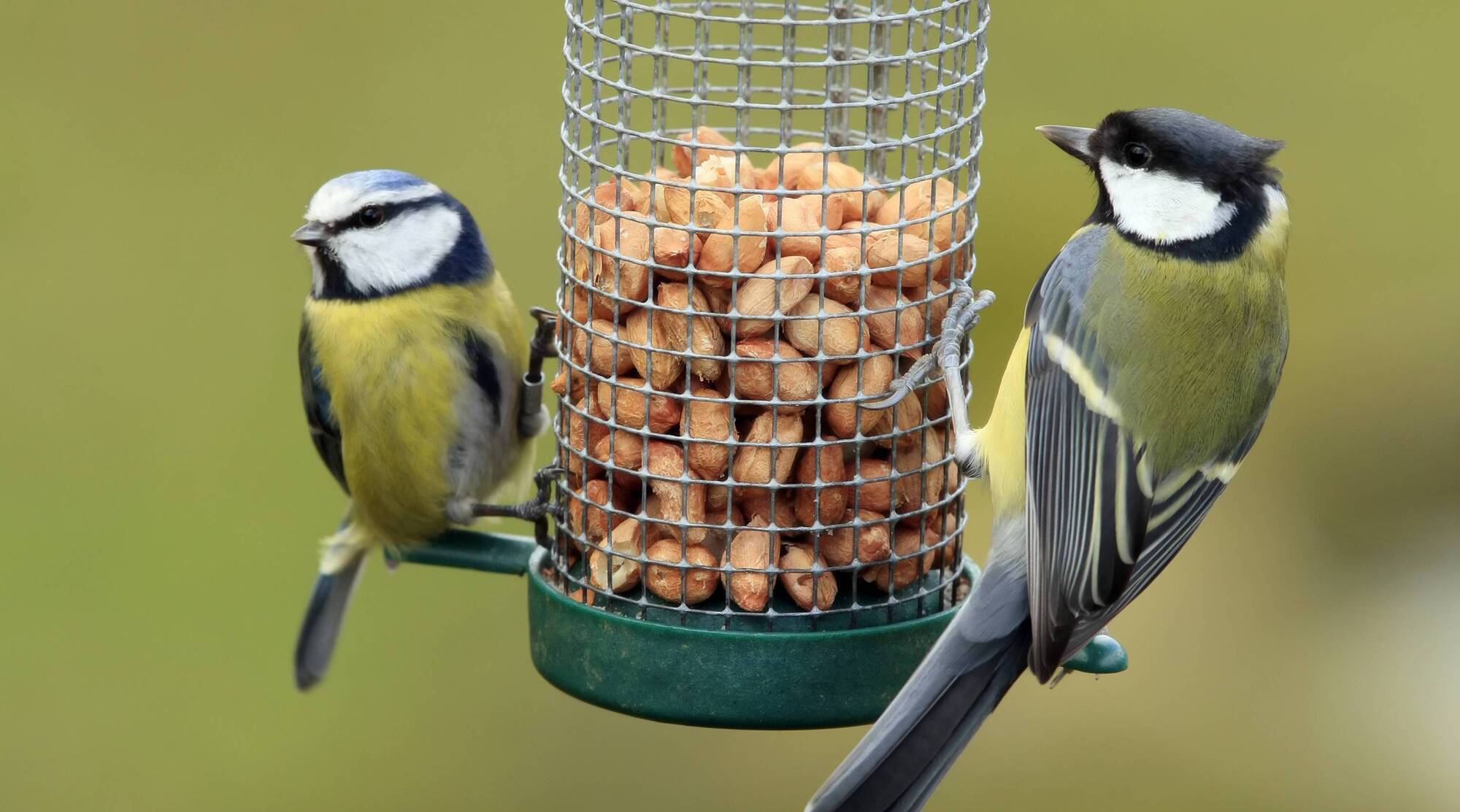
BirdWatch Ireland suggests no feeding is the best approach from May to October. File picture
Like many, I’ve long been feeding my garden birds year-round, and this year has already proved to be a very special one. There are woodpeckers, siskins, jays and red squirrels here this spring, and thrilled to see new species every single day, I had been more indulgent than ever with peanuts, fat-balls and mixed seed spread over five stations around the yard. However, new findings highlighted by BirdWatch Ireland and the Royal Society for the Protection of Birds (RSPB) have forced my hand.
Despite desperately wanting the nesting woodpeckers to continue to enjoy a daily feast, I’ve taken down all but two of the dispensers and emptied the bird bath I had balanced on the back of a quad bike. It seems we’re unknowingly killing members of our precious native bird population with our clumsy kindness. An evidence review into the pros and cons of feeding garden birds found strong evidence that supplementary feeding promotes the spread of diseases in gardens, including the trichomonosis parasite, according to the RSPB conservation scientists: “Trichomonosis has caused serious declines in greenfinch and chaffinch populations and may now be causing a rapid decline amongst bullfinches. The scientific evidence shows that the risk of trichomonosis outbreaks is highest in summer and autumn.”
The RSPB recommends pausing feeding garden bird seeds and peanuts between May 1 and October 31, and advises on safe, seasonal feeding practices instead.
BirdWatch Ireland is more strident. The organisation’s representative, Niall Hatch, has said feeding birds in the garden between May and October is thought to do more harm than good, and suggests no feeding whatsoever.
BirdWatch Ireland offers startling figures to motivate this change, with data from the Irish Garden Bird Survey showing a 30%-plus decrease in garden visits by greenfinches, compared to 10 years ago. Additionally, there was a 13% decline in gardens visited by chaffinches and an 11% decline in goldfinch visits last winter compared to 10 years ago.
There are many pressures impacting wild birds, but we are seeing a 50%-plus decline in our breeding and wintering greenfinch in the last 20 years, since the disease first emerged in 2005, notes BirdWatch Ireland, adding other finch species are affected too, with Countryside Bird Survey records of breeding chaffinch and bullfinch on a downward trend since 2018. There is evidence to show that siskin, redpoll and linnet are also susceptible to the disease ( Birdwatchireland.ie).
I’m taking the middle line here at home. Continuing to feed takes greater effort and diligence over the summer. Please don’t do it if you cannot commit. Large gatherings of birds at dirty, untended feeders promote disease transmission. According to the RSPB, there are a couple of things we can still safely feed all summer, little and often. “Finches rarely eat fat-balls, suet and mealworms; we consider these foods to be low risk when it comes to the spread of trichomonosis. During spring and summer, dried mealworms can be soaked in water to make them easier for nestlings to eat,” according to the RSPB, which recommends we only feed small amounts of food, that we don’t use flat feeders, that we keep the feeders very clean, and clean bird baths every day.
Birds that are sick with trichomonosis cannot eat normally. They favour flat surfaces that are easier to sit on, even when they are unwell and all puffed up (a sign of the disease you might even notice in your own garden). They will regurgitate half-eaten food and thereby pass on the disease to other vulnerable birds visiting a dish or table. Any water bath presents the same danger — it’s an ideal place to exchange parasites and other diseases like bird flu.
Clean, well-maintained ponds and natural sources of water are far safer. Cleaning our feeders takes considerable, consistent effort, but here’s how to do it correctly.
Presuming your feeder is washable and plastic with possibly plastic-coated wire, we can give it a soapy wash once a week. Put on rubber gloves to protect yourself from bacteria and other nasties on the feeder and take it to the black bin to empty out any remaining feed. Take it apart as fully as possible and dunk everything in a bucket of hot, soapy water. Use a bottle brush and a scrubby sponge to remove grime from every crevice. Ensure these tools are kept solely for this job, out in the garage and that you wash them thoroughly when you’re finished.
Then, and only after moving on from the soapy water (to avoid a chemical reaction), put the feeder pieces into another bucket of warm water with a small dash of bleach or, better yet, an animal-safe, veterinary disinfectant. Let the feeder parts sit in there for a few minutes and then rinse them thoroughly to remove all residue. You can do the entire cleaning in just the bleach/disinfectant if you prefer.
Once rinsed, allow the feeder elements to air dry before reassembling and refilling. Finish by cleaning your hands and forearms with a hot, soapy wash to remove any dirty splashes that could carry germs. This practice is good for taking down any feeders over the summer if you have decided not to feed at all.
Wire fat-bar or ball holders are extremely easy to clean, and it’s worth looking out for easy clean pieces going forward to help you in this weekly ritual during the warmer months. Come winter, trichomonosis is killed off by freezing conditions, so we can not only feed more freely, but also be a little less scrupulous about washing feeders (they should be done at least once a month). There comes a time when a feeder is just too grotty to save. There may be seed sprouting into grasses at the base, or it’s just structurally failing. Wood feeders, tables, perches and nesting boxes look lovely, but they are much harder to clean, largely impossible, and open tables are not suitable while trichomonosis is picking off the finch population. Go for closed hanging feeders instead.
In the wider reaches of the garden, plant up and prune with the birds in mind, as they are safer, and it could be argued that they display more natural behaviours, feeding and foraging just as they do in the wild.
- Plant a native Irish tree, which will provide birds and other wildlife with shelter and food.
- Choose native hedging bushes, plants and ramblers — beech, hawthorn, willow, hornbeam, blackthorn, ivy and bramble where possible. In a hedgerow, these not only soften buffeting winds and offer places to hide, but also provide seeds, berries and nesting sites.
- Rather than heavily pruning back at the end of the summer, leave seed heads intact over the autumn and winter.
- Promote the inclusion of insects with longer grass, or a wildlife pond (it can be as small as a shallow bucket).
- A pile of large sticks and logs or an insect “hotel” can help a safe, biodiverse food chain to emerge.
CONNECT WITH US TODAY



Be the first to know the latest news and updates