Ireland has no influence on global events and must use other means to attract investment, IDA warns
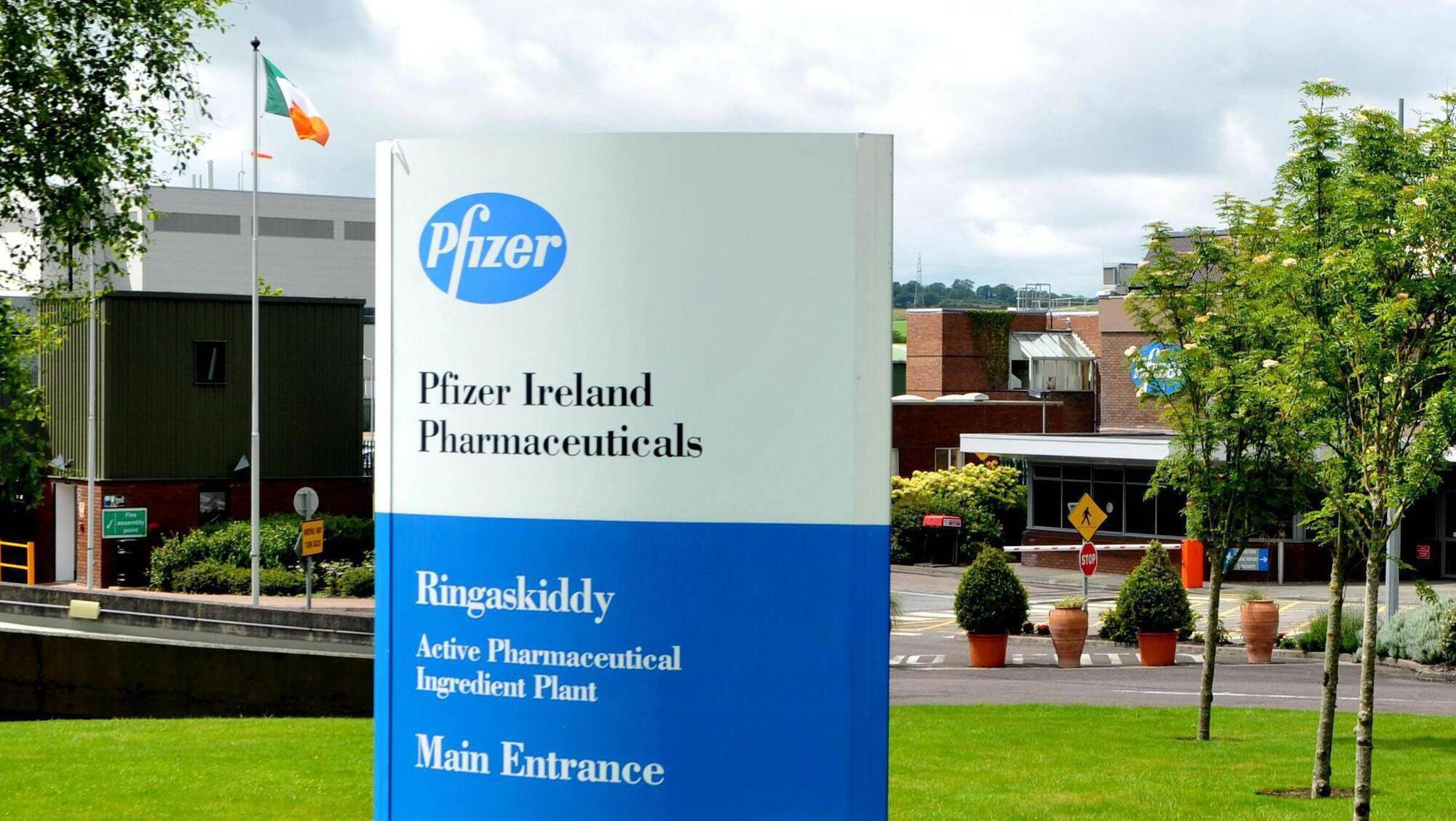
The briefing for IDA chief executive Michael Lohan said: 'The global race to protect existing industries and secure a foothold in future growth drivers has seen trade and investment policy become more deeply intertwined with geopolitics, sustainability, and innovation.' Picture: Dan Linehan
Ireland must work ever harder to win foreign investment in a fractured global economy where it has little ability to influence major events, an internal IDA briefing said.
The briefing for IDA chief executive Michael Lohan warned Ireland was a small country and “not even a middle power”, with limited ability to shape global trade or investment.
It said the country needed to keep its focus on things it could control, including competitiveness, infrastructure, regulation, skills, and incentives.
The briefing was prepared ahead of a trade summit event in March and said companies in the new era of global trade would seek out “capacity, stability, capability, and cost”.
It said Ireland needed to adapt but was well-positioned to thrive in what was described as a “post-globalisation world”.
The document warned competition between countries was intensifying but there were specific opportunities given the existing manufacturing base in semiconductors and life sciences.
Mr Lohan’s briefing said the year had started with hope that “things were beginning to steady” but the crisis in the Middle East had turned that on its head.
It said: “As a small country, not even a middle power in [Canadian prime minister] Mark Carney’s terms, there is only so much we can do to influence the broad brush of global events.”
The document said the emphasis needed to be on “controlling the controllables”, especially around providing better infrastructure.
Read More
Mr Lohan was also briefed on Ireland’s forthcoming EU Council presidency, which was a “huge opportunity” to help shape policy across the union.
Background material provided to the IDA chief said “uncertainty and volatility” were becoming the norm.
It added: “The global race to protect existing industries and secure a foothold in future growth drivers has seen trade and investment policy become more deeply intertwined with geopolitics, sustainability, and innovation.”
The briefing material also said there had been 2,500 trade restrictions imposed in the first 10 months of last year, five times higher than the equivalent figure from 2015.
“The Trump administration’s tariff policies have resulted in the effective US tariff rate increasing from 2.3% in January 2025 to 10.3% in January 2026,” it said.
It said Ireland’s openness left the country more exposed to global trends, “both positive and negative”.
The briefing said the Government’s 85-point action plan on competitiveness and productivity had several areas that were of particular interest to the IDA.
This included speeding up infrastructure delivery and “smarter, simpler, more streamlined” regulatory systems.