Peter Dowdall: Grow native plants to create a biodiverse garden
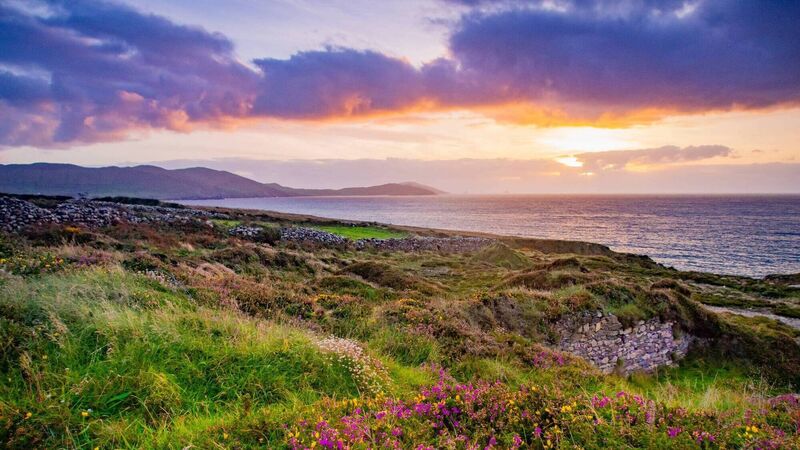
Native plants have co-evolved with local wildlife over centuries, providing essential food and habitat for native insects, birds, and mammals. Picture: iStock
We are probably all aware by now that using native plants in our gardens offers us many ecological and environmental benefits, contributing to the overall health and sustainability of our own, individual gardens but what exactly are those benefits?
Native plants have co-evolved with local wildlife over centuries, providing essential food and habitat for native insects, birds, and mammals. Both have adapted side by side and symbiotically over millennia. Flowers bloom at the same time as the insects which feed on them and in return pollinate them, are active.
Thus, by growing native species, in our gardens, we are creating biodiverse spaces that sustain a wide range of fauna, from pollinators like bees and butterflies to insect-eating birds and small mammals.
Native plants have also adapted to local climate conditions, often requiring less water once established compared to non-native species. Their deep root systems will also help to improve the soil structure. A soil which has a good structure and texture is probably the most important element in any successful garden.
This also ties in with the first point of native plants sustaining local wildlife as it is in the soil where plants develop and adapt with soil microorganisms, earthworms and other microbes. This interaction again, leads to healthy, fertile soils capable of sustaining plant life over the long term.
I remember well, whilst studying soil science in college, way back in the last century, I struggled to stay awake during the lectures, I can admit that now, so many years have passed. Now though, I find the magic in the soil and the relationships with plants absolutely fascinating.
Native plants are more adapted to our local climatic conditions and in a world where the climate is changing, this is becoming increasingly important. We can create resilient gardens that are better able to withstand the impacts of climate change, such as heatwaves, storms, and heavier rains by using more native plants.
These plants are also, more resistant to pests and diseases compared to non-native species, eliminating the need for any pesticides which will, in turn, help beneficial insects, soil organisms, and water quality while maintaining a much healthier environment for us humans, our domestic pets and wildlife alike.
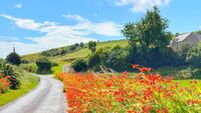
Don’t make the mistake of thinking that the only way to introduce native species to your garden is by using native wildflower seeds. Many “garden plants” can be native species too. The best inspiration is to have a look around. Ireland's landscape is awash with a rich tapestry of native flora.
Some of the nicest trees that we can grow in our gardens are native species. We don’t have to search exhaustively for the newest or rarest variety for it to be special.
Corylus avellana or the Hazel tree is a deciduous tree known for its beautifully distinctive catkins and edible nuts and will thrive in a variety of locations, from woodlands to hedgerows. It likes well-drained soil and partial shade, reaching heights of up to four metres with a similar spread.
Pinus sylvestris or Scots pine is a fabulous conifer native to Irish forests, I love the colour, the texture and the form that it brings to a garden, though bear in mind that it will reach a height of 20-35 metres with a spread of 10-15 metres so only suited to large gardens.
If you fancy having red squirrels in your garden then one of these is essential.
Arbutus unedo, the strawberry tree, is endemic to Ireland's western seaboard, this is a small evergreen tree with a beautiful cinnamon-coloured bark which produces beautiful white flowers and red berries which look a bit like mini strawberries, hence the common name.
Arbutus likes well-drained, slightly acidic soil and will also tolerate coastal conditions, it can reach heights of five to ten metres with a spread of four to eight metres.
On the other end of the scale, it's hard to see beyond some of our really low-growing ground huggers such as Primula veris, the cowslip and Primula vulgaris, the Primrose. These delicate-looking perennials, of meadows and woodland edges across Ireland, add a splash of colour to spring gardens. They’re not delicate at all of course, as they can survive for years on neglect once established. Though, tough and all as they are, they haven’t been able to withstand the onslaught of weedkillers which have been poured upon them in agricultural fields and domestic gardens. Both species prefer a humus-rich, well-drained soil and partial shade.
There are several species of Viola too which are native forms, including Viola riviniana, the common dog violet, Viola canina, the heath dog violet, Viola lacteal, the fen violet, and Viola hirta, the hairy violet.
These native violets are truly beautiful and as nice if not far nicer than many shop-sourced varieties and they also play their important ecological roles in Irish gardens.
In recent years, efforts to conserve and promote native Irish plants have gained momentum, with initiatives such as the All-Ireland Pollinator Plan and more and more garden centres promoting and stocking native plants to make their presence more widespread once again.


CONNECT WITH US TODAY



Be the first to know the latest news and updates