Peter Dowdall: Beware the beautiful bullies when choosing garden plants
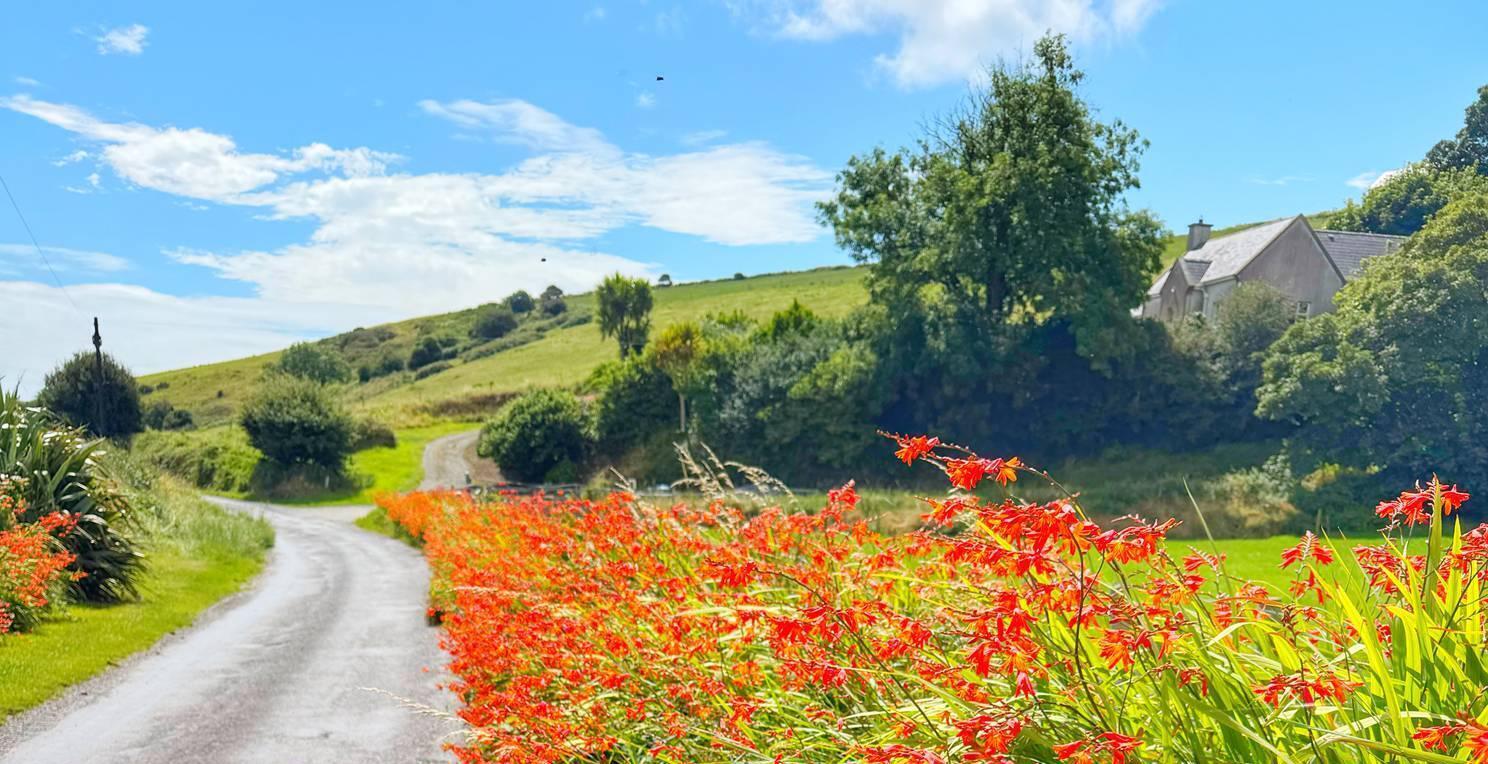
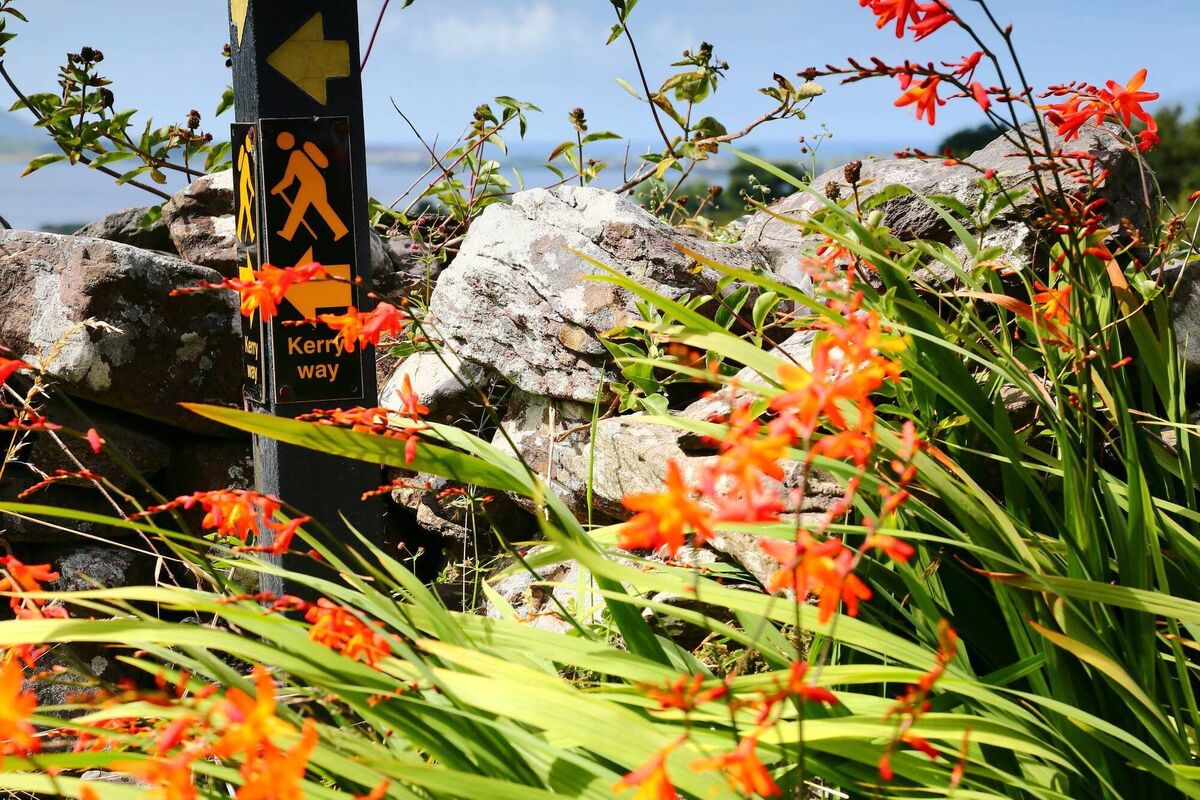
Hedgerow of wild montbretia in West Cork. The plant we see growing in Ireland was originally an ornamental hybrid created in 1879, a cross between two South African species. File picture
We all know the story: you spot something in the garden centre in spring, something lush and vigorous and reasonably priced, it steals your heart with its pretty flowers or foliage, you bring it home, you plant it, and for a while everything is fine.
Then, bit by bit, even while you were sleeping, it just begins to make itself a bit too welcome, inching forth nearly unseen until then, it starts to take over. By the time you understand what you've done, you're on your knees with a trowel and a growing sense of defeat, wondering how you fell for it in the first place.
Garden centres are not always innocent places. They sell plants on the basis of what they look like in the pot, and at their best. They do not always warn you what they'll look like in three years when they've taken over your border and bullied all the far more genteel residents into a state of submission, so consider this column a friendly word of warning.
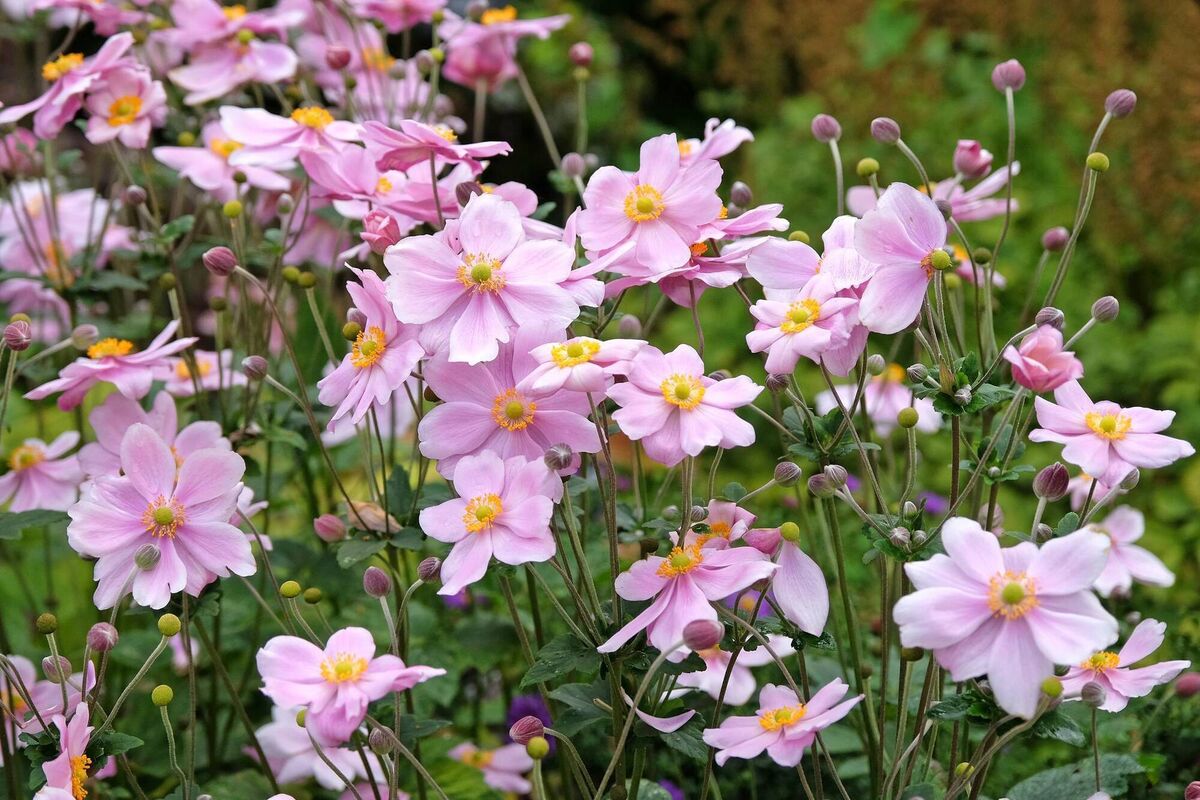
Japanese or autumn anemone, Anemone japonica, and its many cultivars, is perhaps the most widely sold of the beautiful bullies. It looks kind enough, soft pink or white flowers on tall, wiry stems in late summer, the kind of plant that photographs beautifully and appears in every "easy perennials for beginners" list you'll ever read. What's not to love?
Well, let me answer that for you now: it is virtually impossible to eradicate once established, and every small piece of root left in the ground after an attempted removal will cheerfully regenerate. It is not a plant for a small border, and it is not a plant that will stay where you put it.
Vinca, the periwinkle, is sold as ground cover, which it is, in the same way that floodwater is ground cover. Vinca major in particular will colonise any shaded area with impressive speed, smothering anything in its path and rooting at every node as it goes.
Vinca minor is better behaved, but still not one to plant near anything you value. In fairness, the flowers are pretty, and the variegated forms do really bring evergreen foliage colour, but pretty and well-behaved are not the same thing, and in a small garden, Vinca can become a full-time management problem.
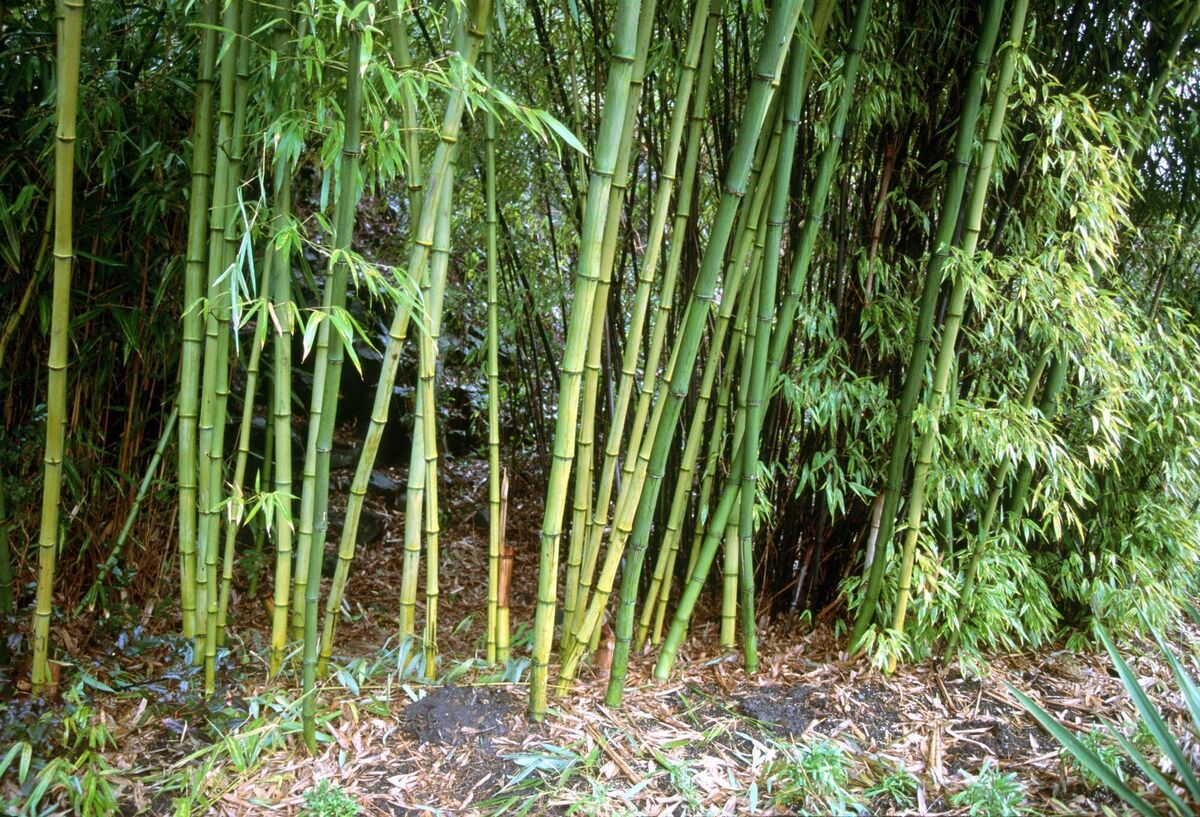
Then there are the bamboos. Phyllostachys species, the running bamboos, are sold in garden centres, and they do have genuine architectural appeal. A well-placed bamboo can be a genuinely dramatic plant. Phyllostachys should also come with a government health warning on the label, as they spread by underground rhizomes that can travel several metres in a single season, emerging on the far side of paths, through lawn, underneath walls, and occasionally into neighbouring gardens.z
Before the modern-day garden centres and before plants became a retail product, many of what we now consider nightmare species entered the landscape as deliberate ornamental introductions.
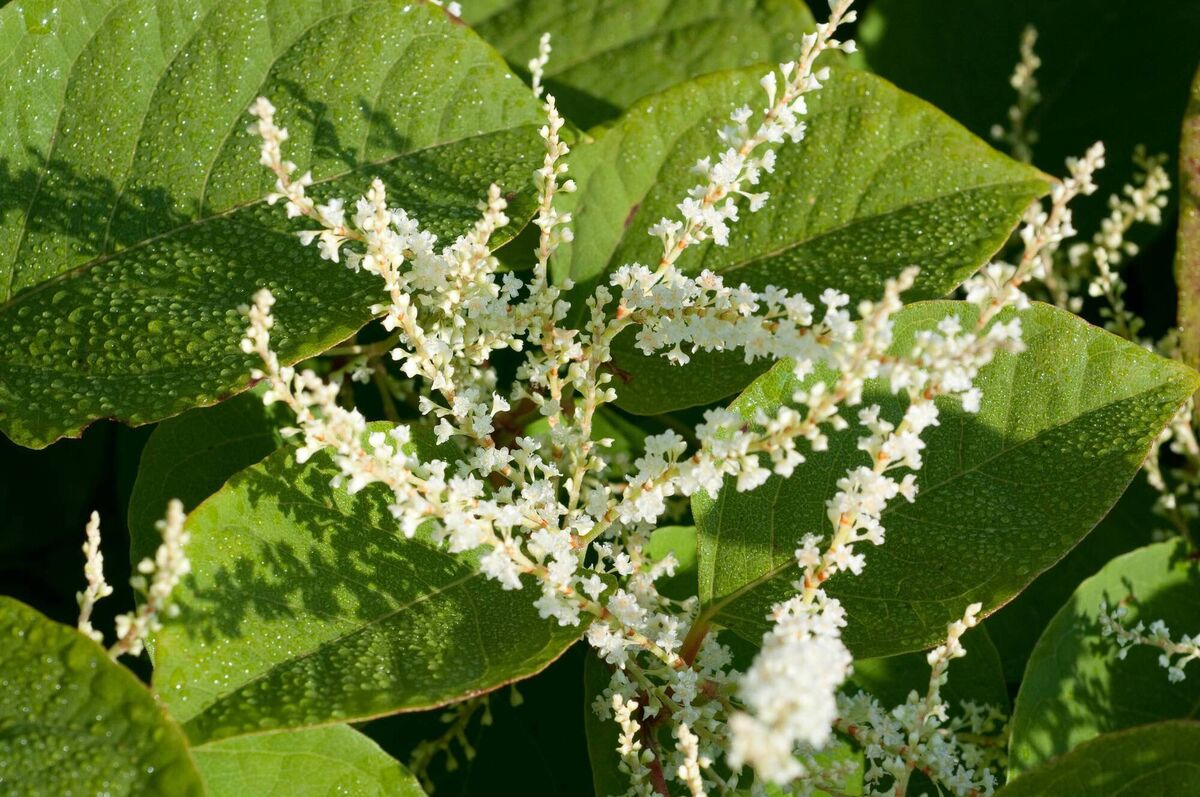
Japanese knotweed was brought to Victorian Britain and Ireland as an ornamental plant; it was even sold as a feature specimen.
Himalayan balsam, with its attractive pink flowers, was introduced as a garden plant before naturalising along riverbanks across the country.
Rosebay willowherb, that great coloniser of disturbed ground and waste land, arrived first as an ornamental before deciding the whole island suited it perfectly.
What began with good intentions and genuine enthusiasm for the exotic became, in each case, an ecological problem that has cost enormous effort to manage.
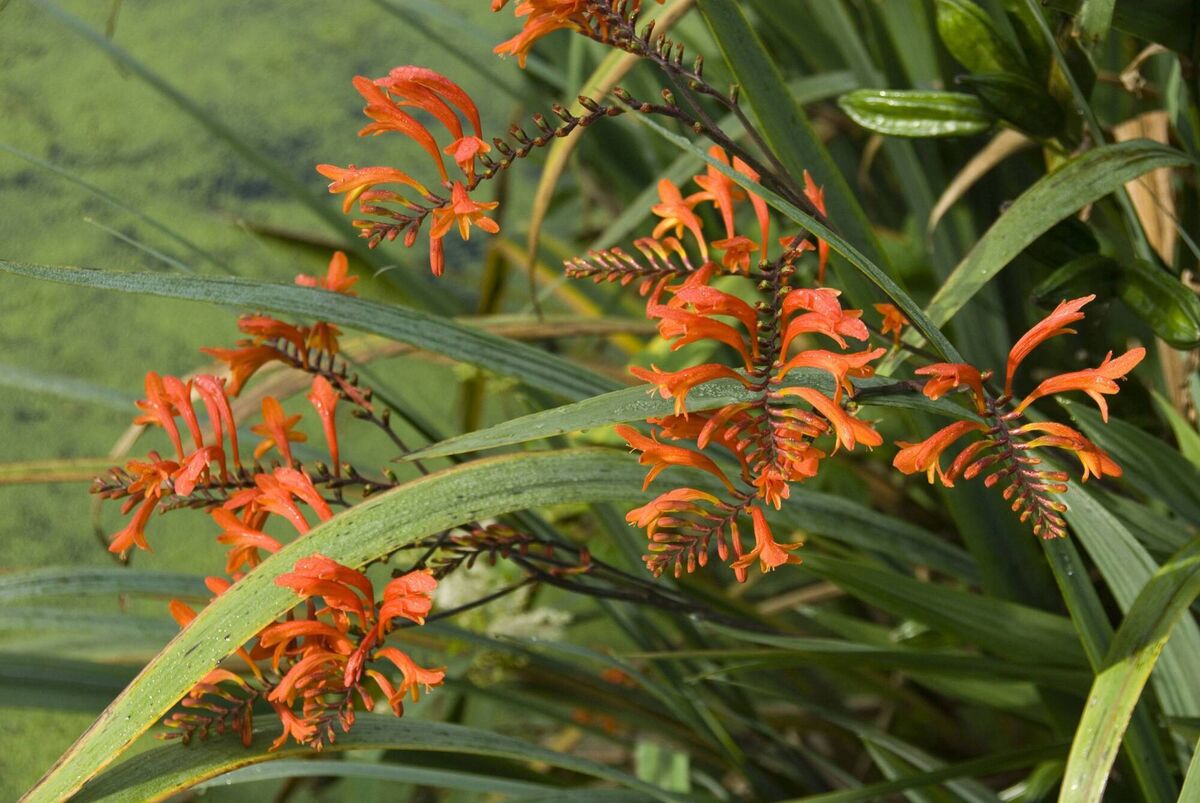
Crocosmia, the wild montbretia that blazes orange along hedgerows and country roads throughout Ireland, especially in the south and west, was a French-bred ornamental hybrid, a cross between two South African species created in 1879. Introduced through the horticultural trade, it found Irish conditions, mild, wet, acid soils, entirely to its liking, and it has never looked back.
It is now so embedded in the Irish landscape that most people assume it is native. It is not. It is, in its own way, another introduction that outgrew its welcome, though it is hard not to like it when it lights up a west Cork roadside in August.
Many of these thugs of the plant world are listed as invasive in the Biodiversity Ireland website, but the key distinction with the genuinely dangerous plants, Japanese knotweed and Himalayan balsam, is that these are invasive species in the legal sense, and growing, spreading or causing the growth of Japanese knotweed is an offence under Irish legislation.
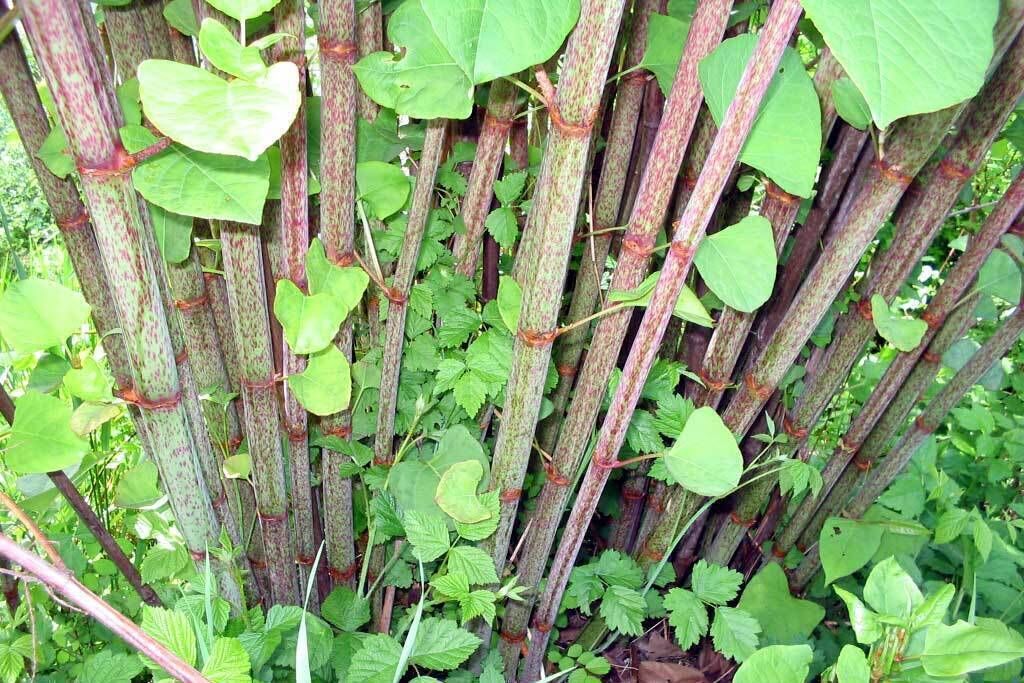
These are not plants you manage with a root barrier. These are not plants you grow in a pot on the patio. These are plants you do not grow at all, under any circumstances.
The independent garden centre is your greatest source of help here. Not the supermarket trolley garden section, and not the discount store pallet of unnamed plants that may have been grown in entirely different conditions from your own.
Your local independent centre employs people who know plants properly, who can tell you not only what something looks like but what it does over time. Ask them directly, will this spread? How much space will it need in five years? You may not always love the answer, but you will be glad you asked before you planted.
The most expensive plants in the garden are not always the ones with the highest price tags. Sometimes they are the ones that cost nothing to buy and everything to remove.

- Got a gardening question for Peter Dowdall? Email gardenquestions@examiner.ie

CONNECT WITH US TODAY



Be the first to know the latest news and updates